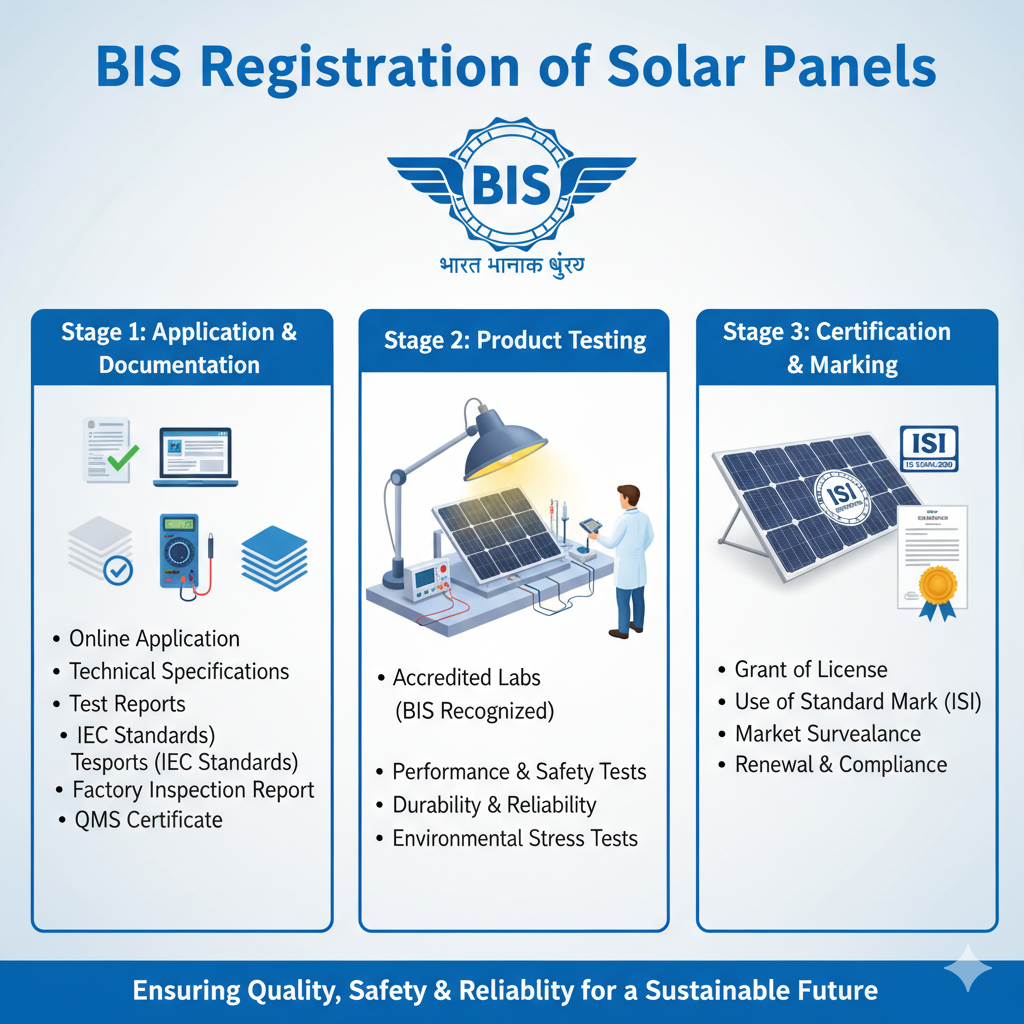
ISI Mark Certification in India
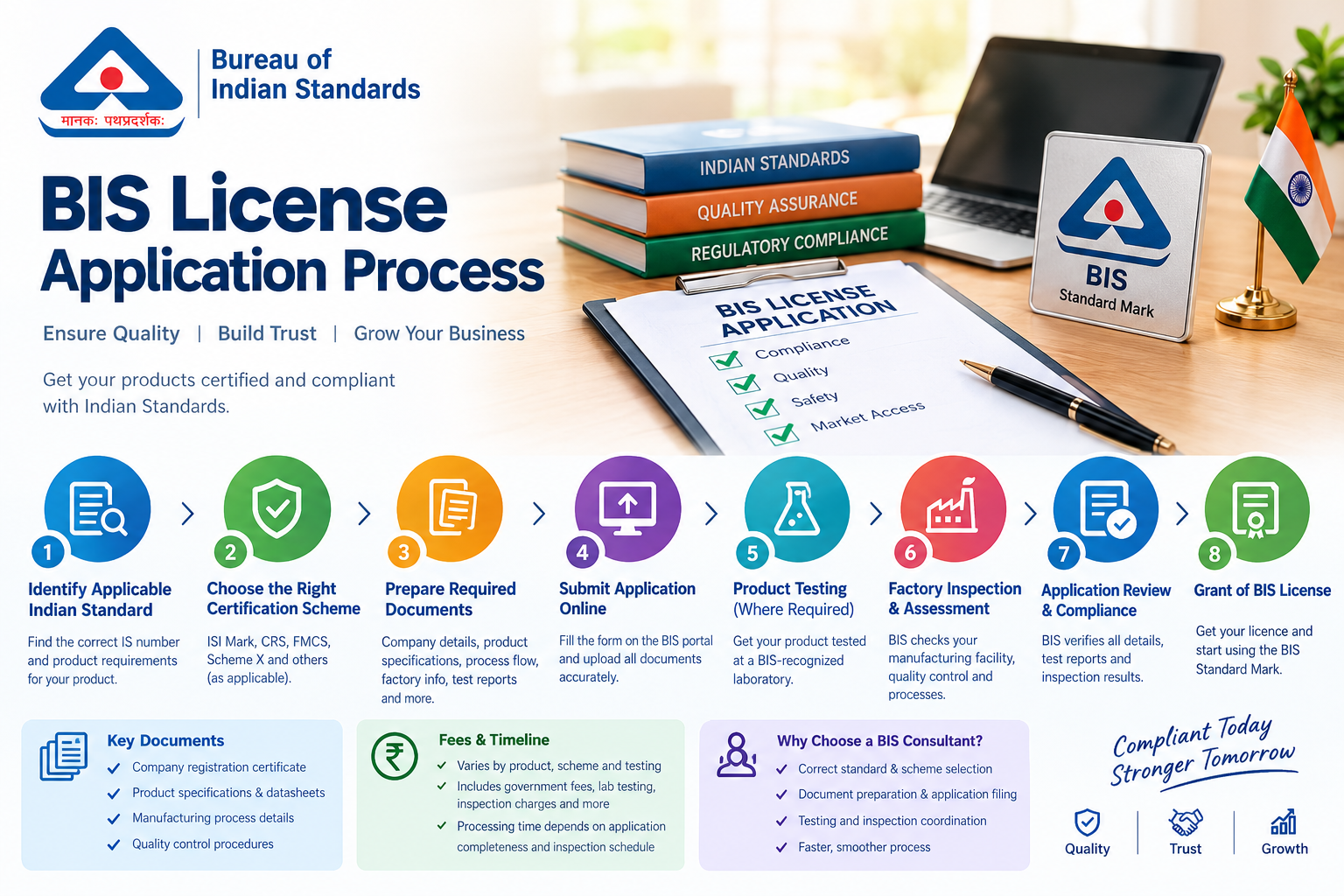
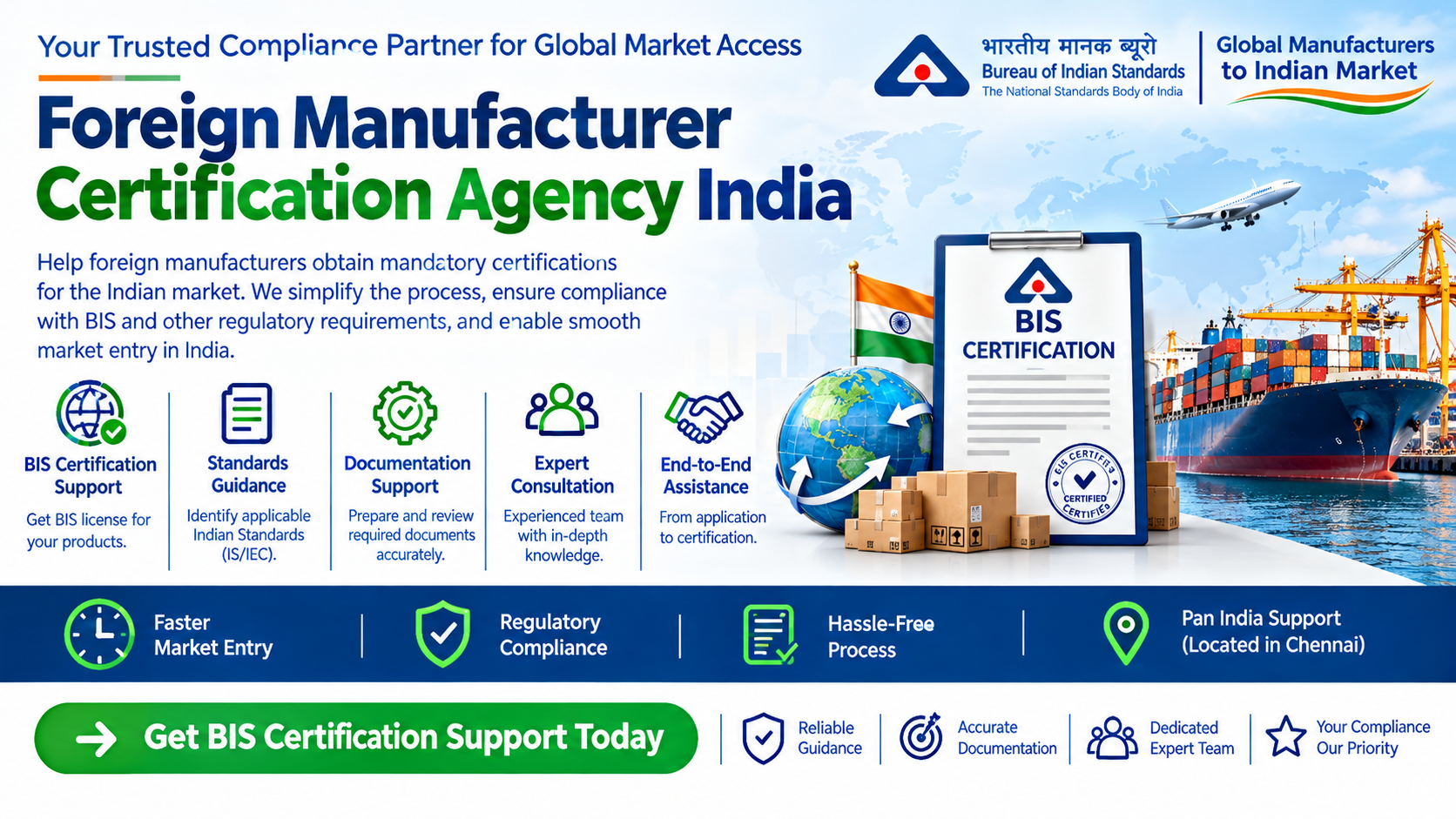
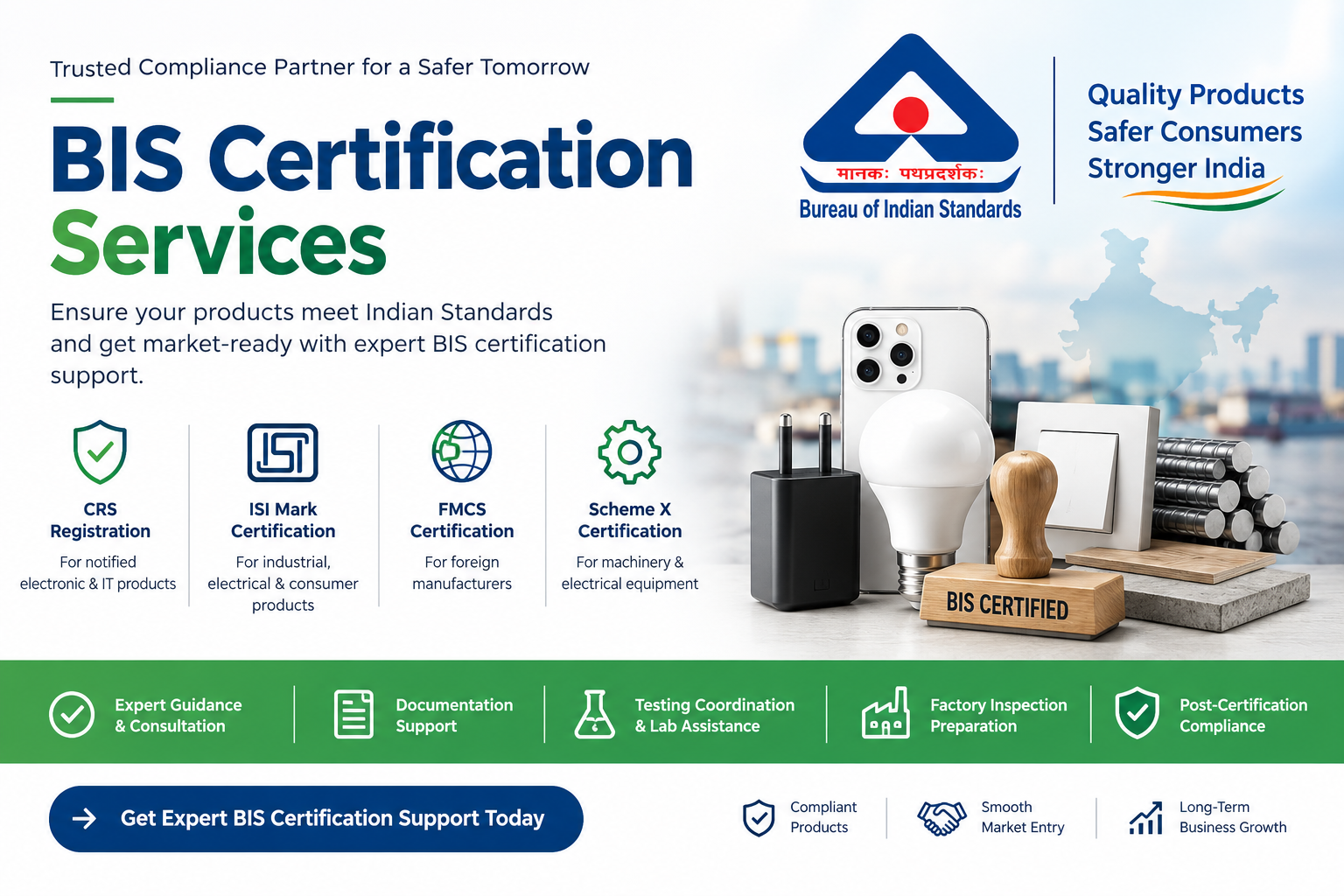
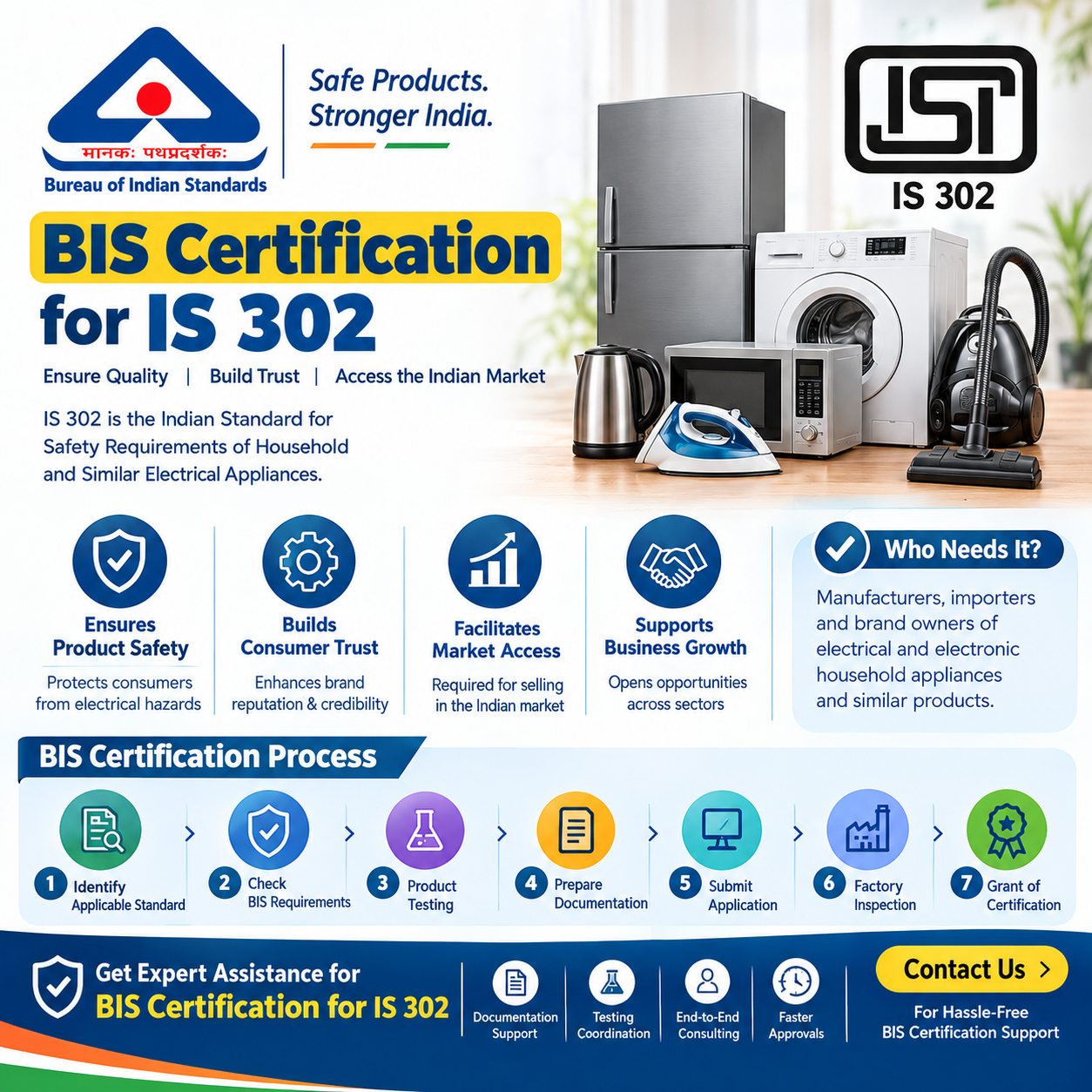
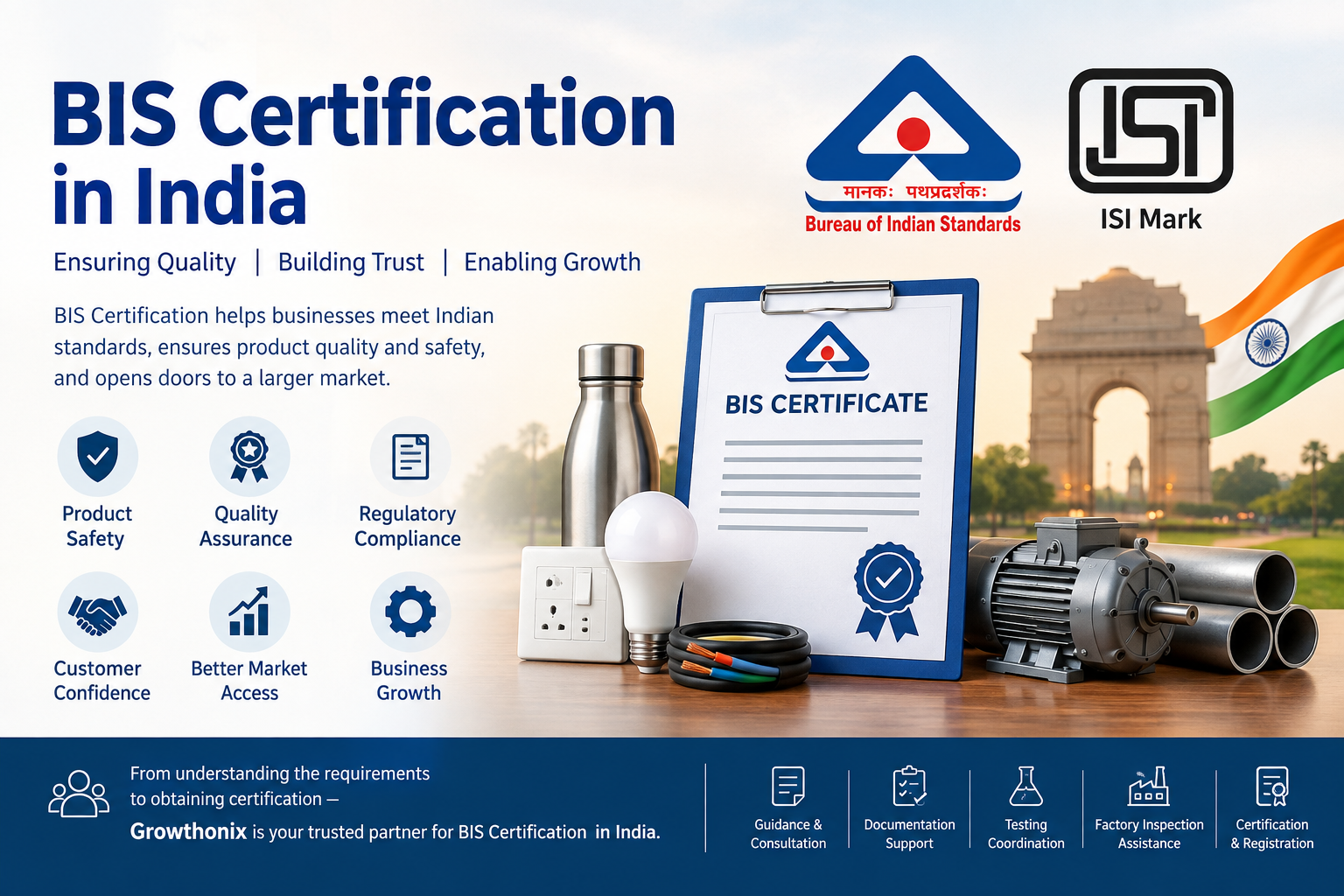
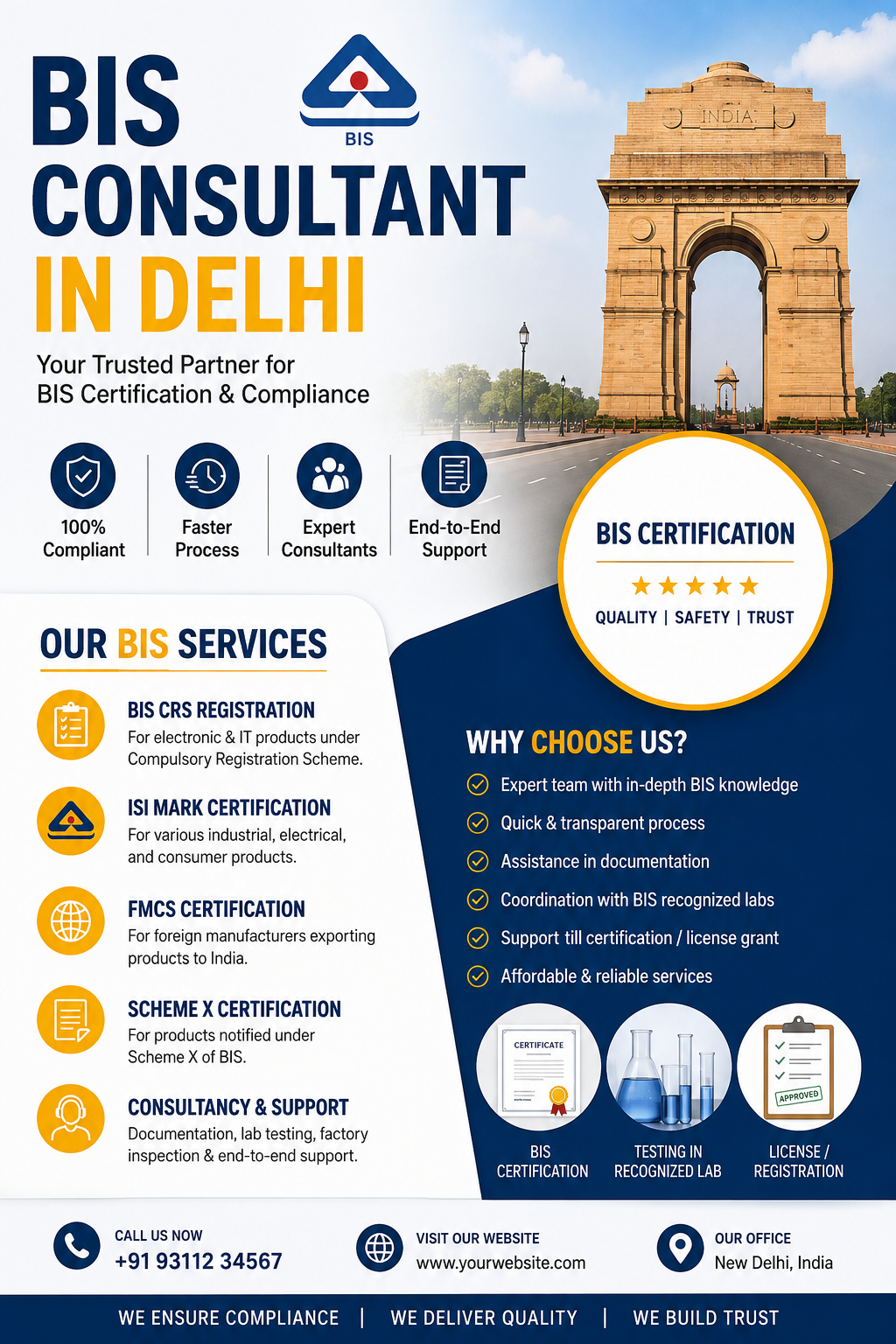
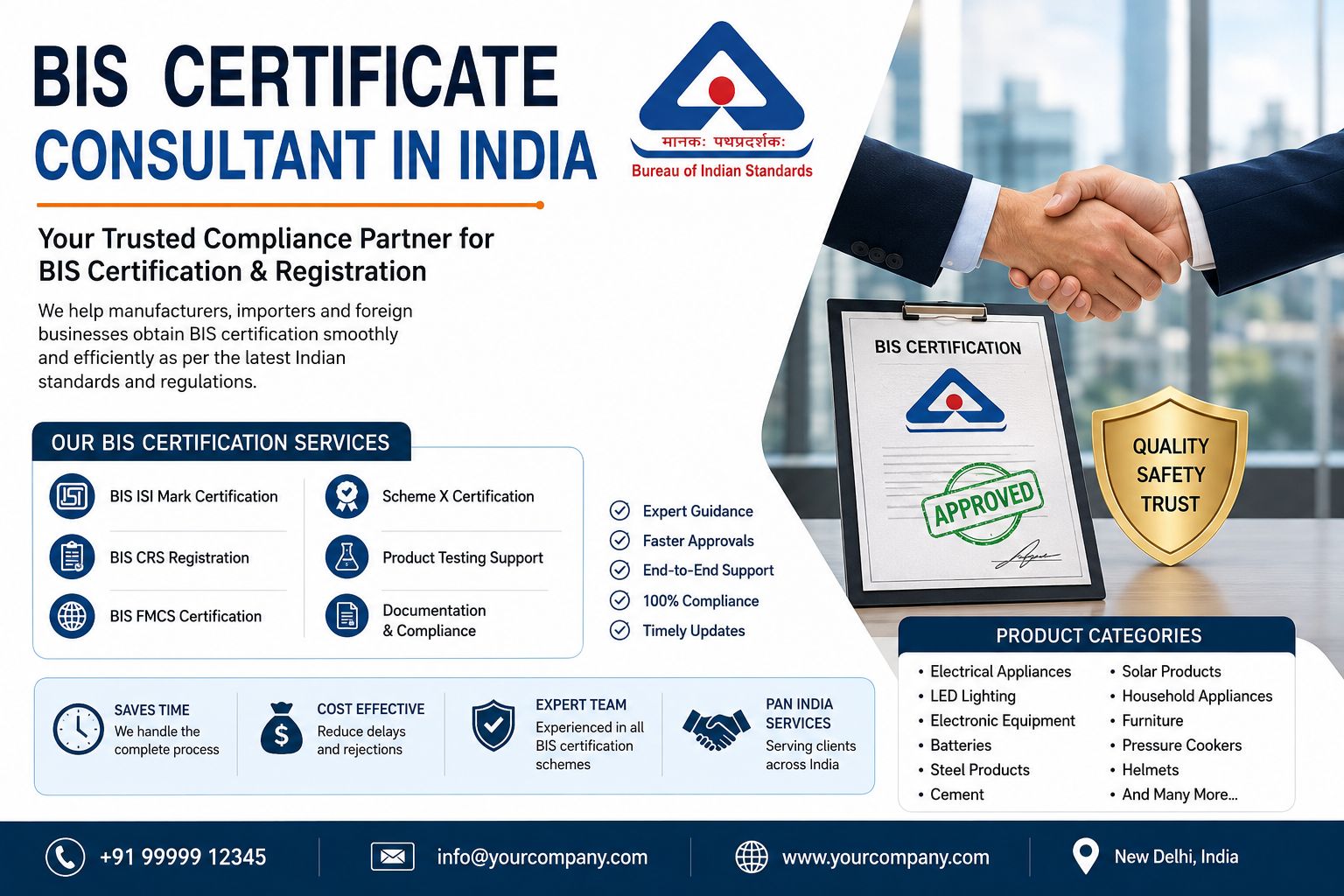
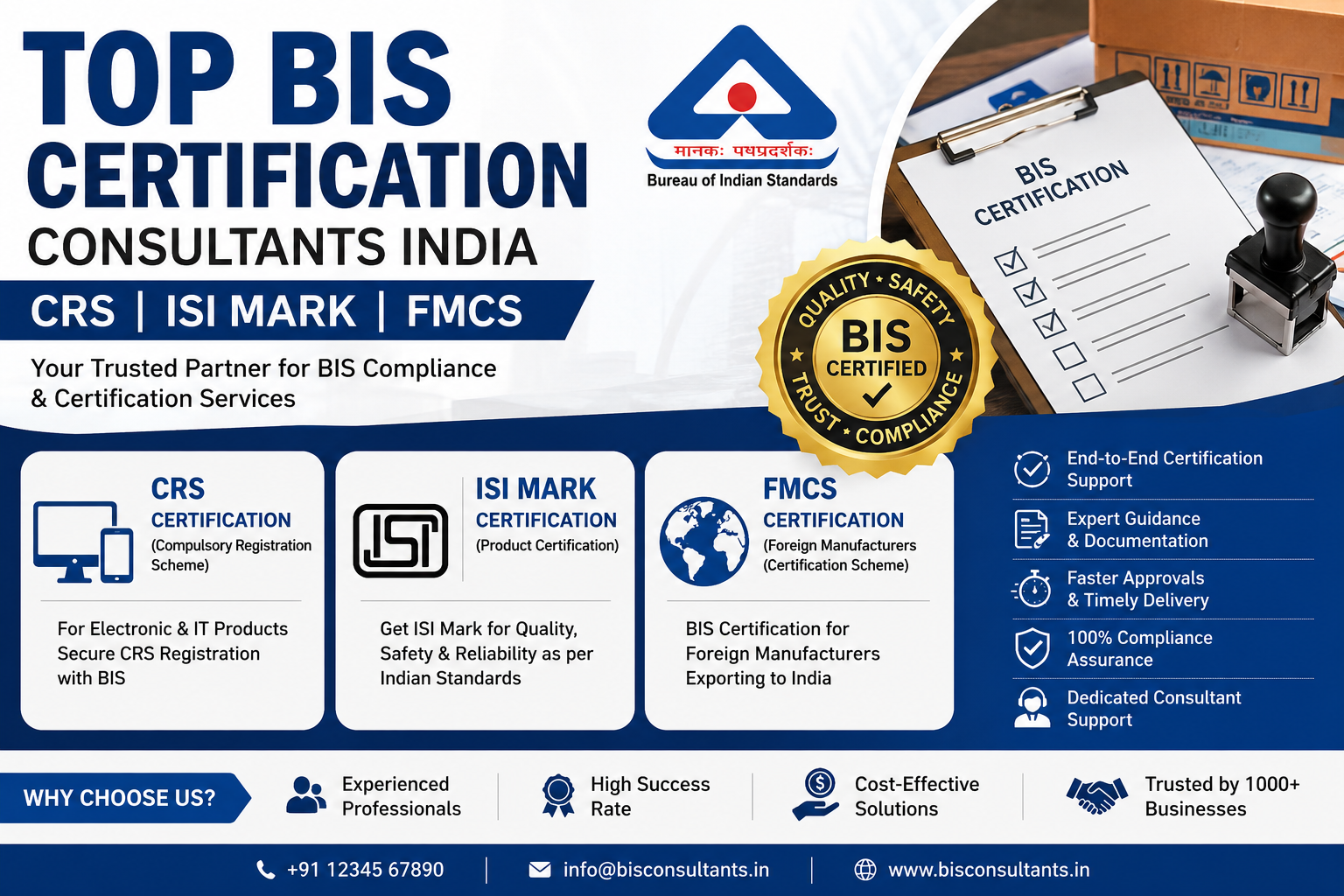
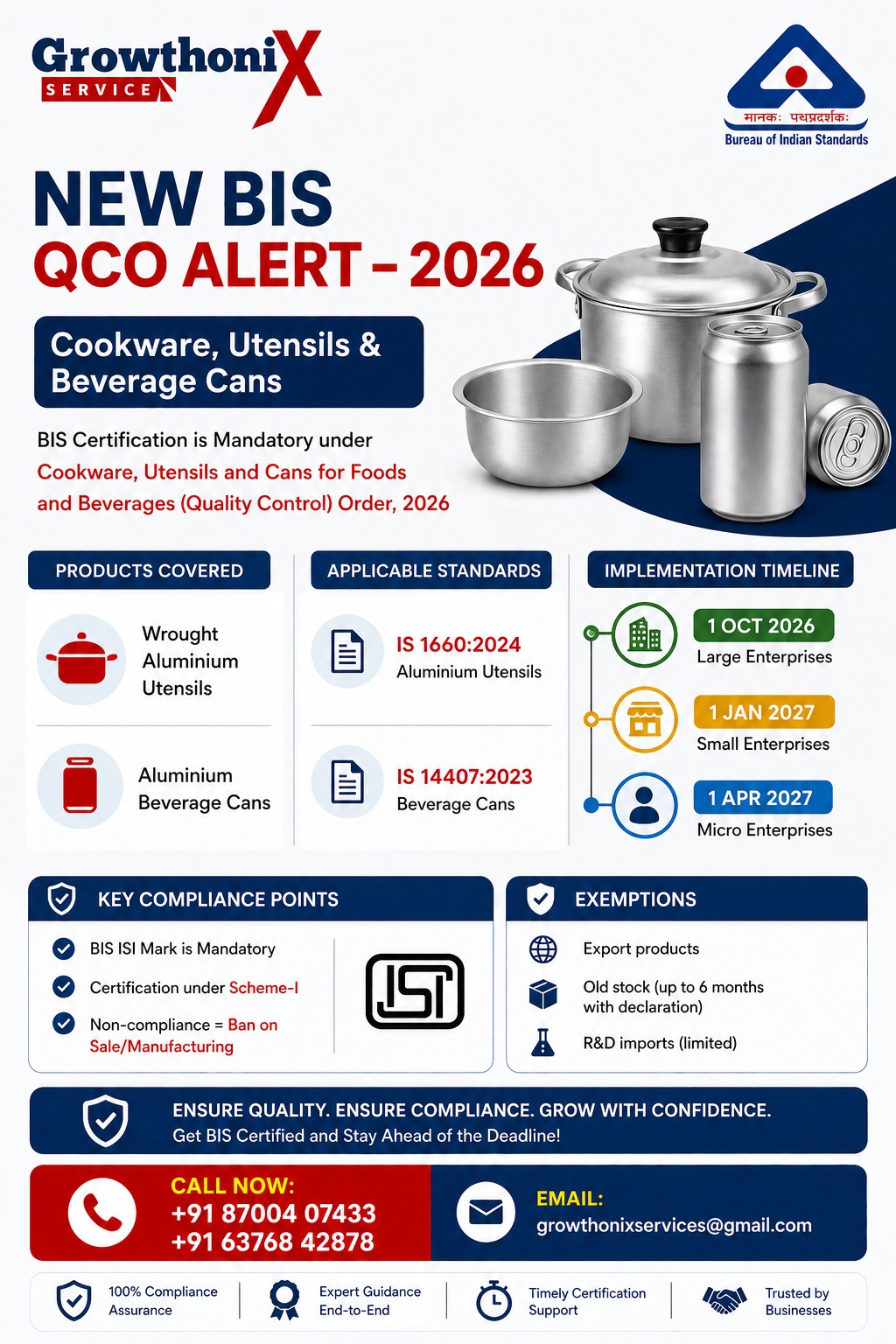
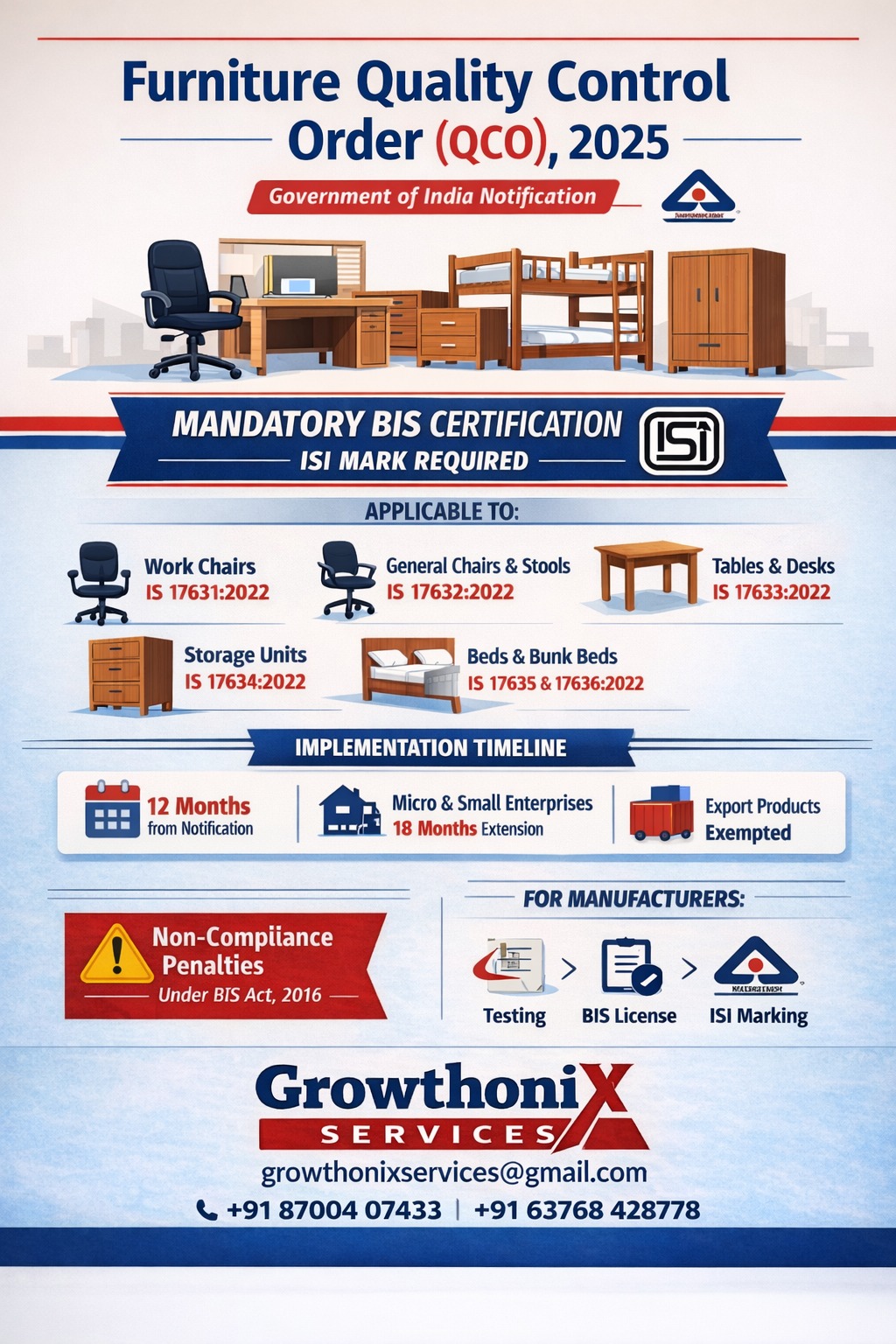
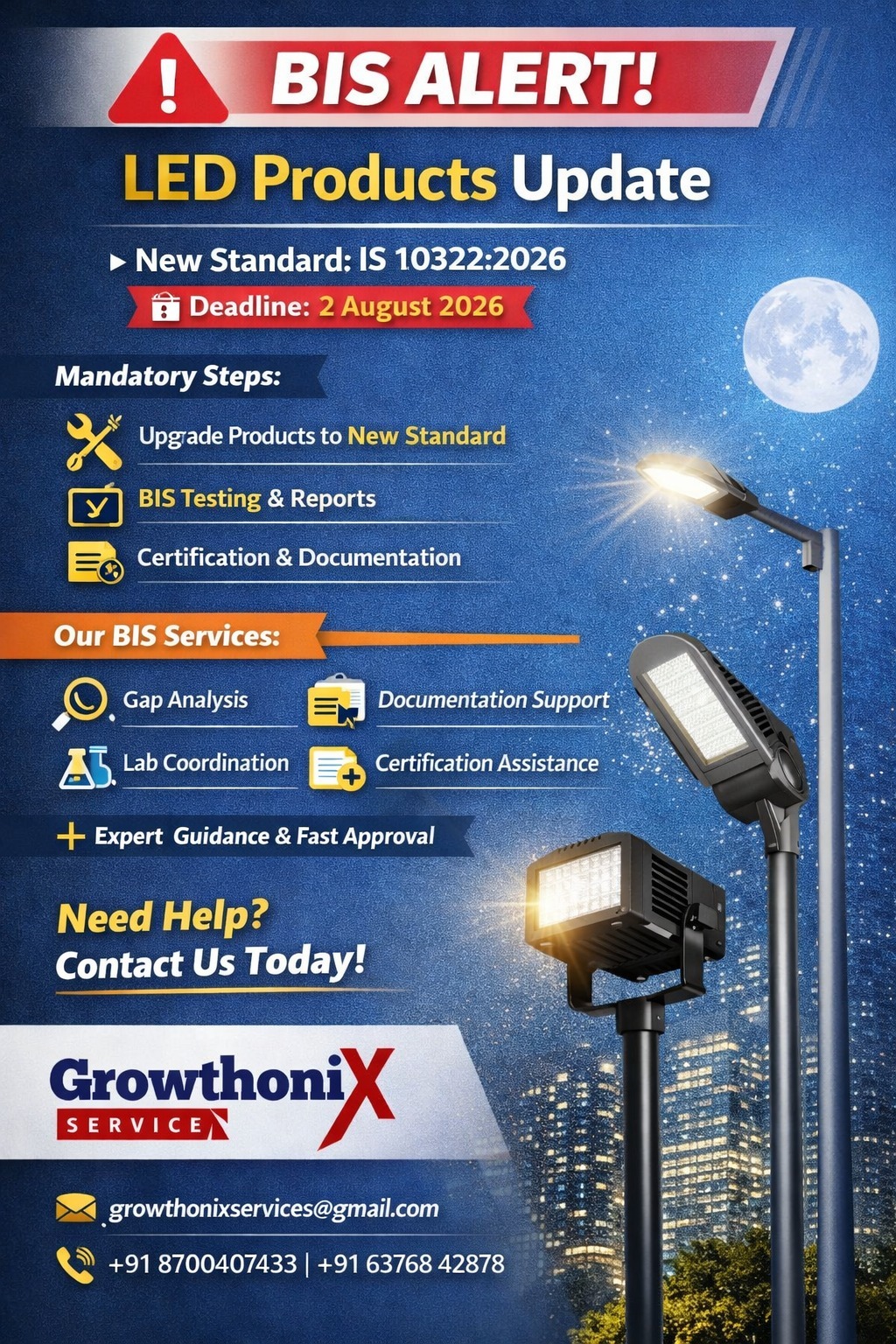
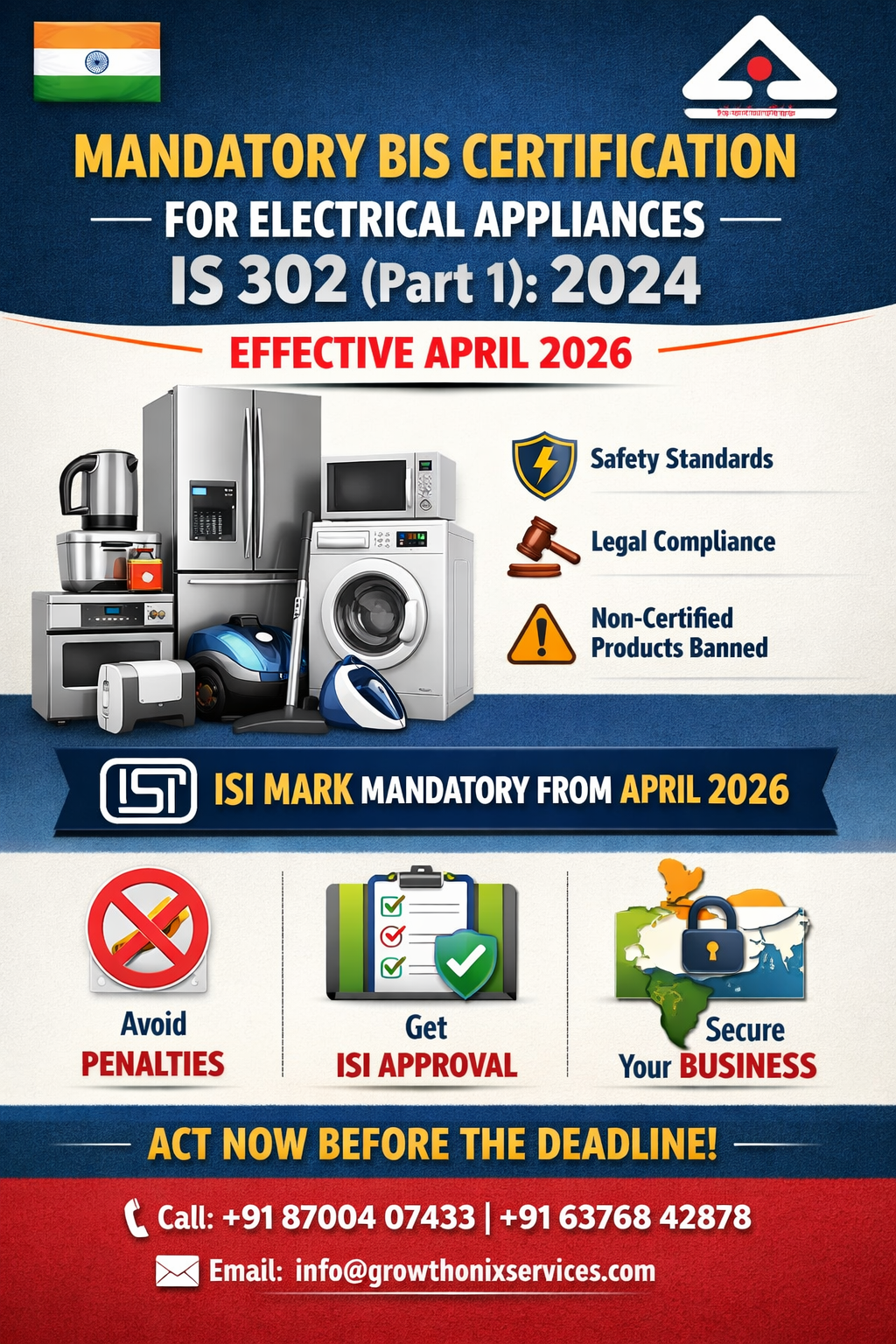
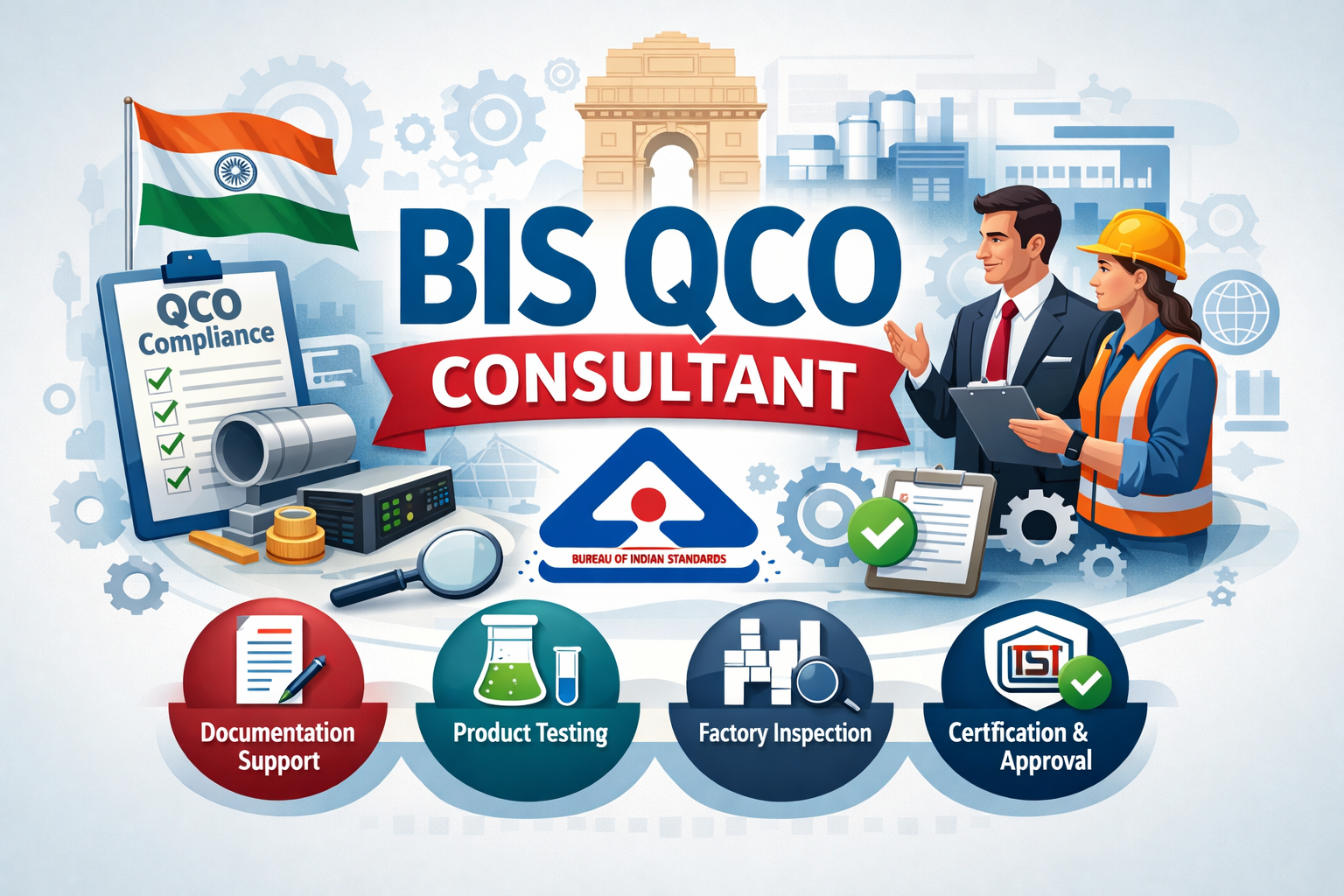
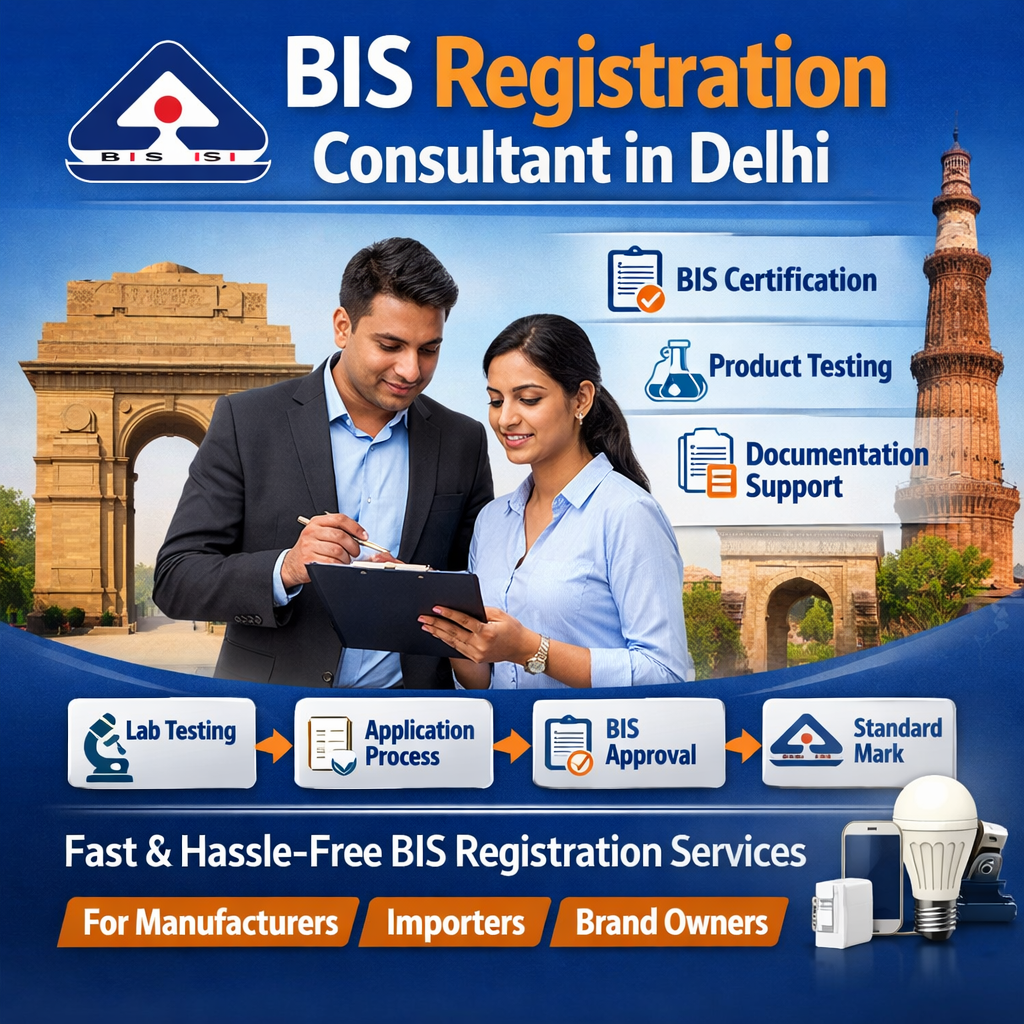
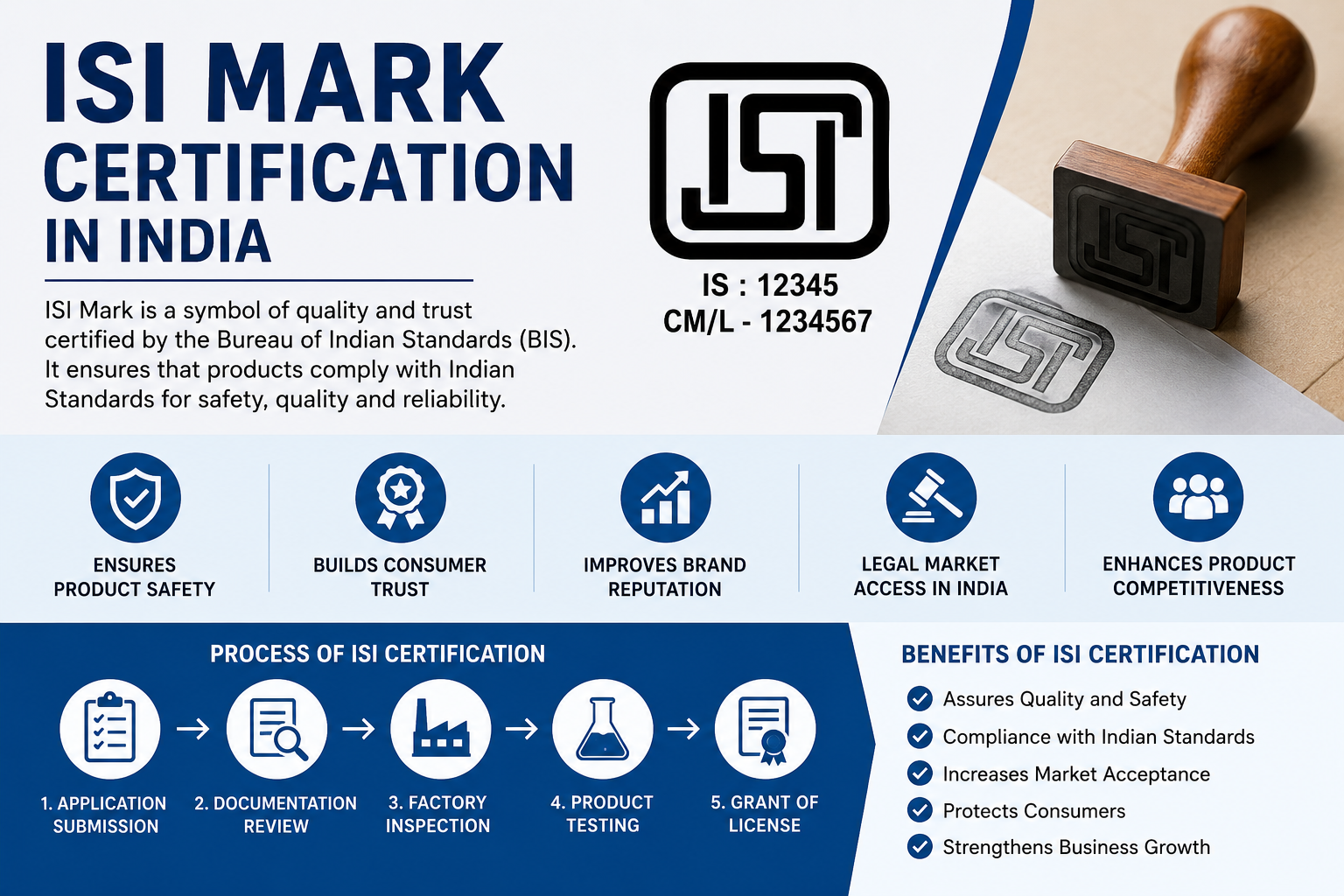
ISI Mark Certification in India is one of the most important quality certifications for products sold in the Indian market. The ISI mark assures consumers that a product complies with Indian safety, quality, and performance standards set by the Bureau of Indian Standards (BIS). It is a symbol of trust, quality, and safety, helping manufacturers build credibility while ensuring customer satisfaction. The ISI mark was introduced by the Indian Standards Institution (ISI), which later became BIS. Today, ISI certification is mandatory for several products such as electrical appliances, cement, packaged drinking water, steel products, LPG cylinders, and many more. Without this certification, manufacturers cannot legally sell certain regulated products in India. ISI Mark Certification is a product certification scheme operated by Bureau of Indian Standards under the BIS Act. Products carrying the ISI mark indicate that they conform to Indian Standards (IS) and have undergone rigorous testing and inspection. The ISI mark includes: ISI logo Standard number (IS code) License number issued by BIS This certification ensures that products meet quality benchmarks and are safe for consumer use. ISI certification plays a crucial role in maintaining product quality and consumer safety. It helps protect customers from substandard and unsafe products available in the market. Key benefits of ISI Mark Certification include: Ensures product safety and reliability Builds consumer trust Improves brand reputation Enables legal market access in India Enhances product competitiveness Reduces risk of product failure For manufacturers, ISI certification increases market acceptance and provides a strong competitive advantage. Many products in India require mandatory ISI certification before being sold in the market. Some common categories include: Electrical appliances LED lights Switches and cables Cement Steel products Packaged drinking water Gas cylinders Pressure cookers Automotive components Household appliances Manufacturers dealing in these products must obtain BIS certification to comply with Indian regulations. The process for obtaining ISI Mark Certification involves several important steps: Manufacturers need to submit an application to BIS with required product details and supporting documents. BIS reviews the submitted documents, including manufacturing process details, quality control systems, and testing arrangements. BIS officials conduct an inspection of the manufacturing unit to assess production capability and quality control measures. Samples are collected and tested in BIS-recognized laboratories to verify compliance with applicable Indian Standards. After successful verification and testing, BIS grants the ISI certification license to the manufacturer. Once approved, the manufacturer can use the ISI mark on certified products. To apply for ISI certification, manufacturers generally need: Business registration documents Factory license Product details and specifications Manufacturing process flow chart Quality control documents Test reports Authorized signatory ID proof Machinery details Proper documentation helps ensure smooth approval. The cost of ISI certification depends on several factors such as product category, testing requirements, and factory size. Typical costs may include: Application fee Inspection charges Product testing fee License fee Annual marking fee The overall cost varies based on the product and compliance requirements. Obtaining ISI certification can be a complex process involving technical documentation, product testing, and regulatory compliance. Professional consultants help manufacturers simplify the certification journey. Consultancy services include: Documentation support Application filing Compliance guidance Coordination with BIS Testing assistance End-to-end certification support With expert guidance, businesses can save time and reduce approval delays. ISI Mark Certification in India is essential for manufacturers looking to sell regulated products in the Indian market. It ensures product quality, safety, and compliance with BIS standards. Products carrying the ISI mark gain consumer trust and higher market credibility. Whether you are a manufacturer of electrical products, steel, cement, or consumer goods, obtaining ISI certification is a crucial step toward business growth and regulatory compliance. Working with experienced certification consultants can make the entire process faster and more efficient.What is ISI Mark Certification?
Importance of ISI Mark Certification in India
Products Requiring Mandatory ISI Certification
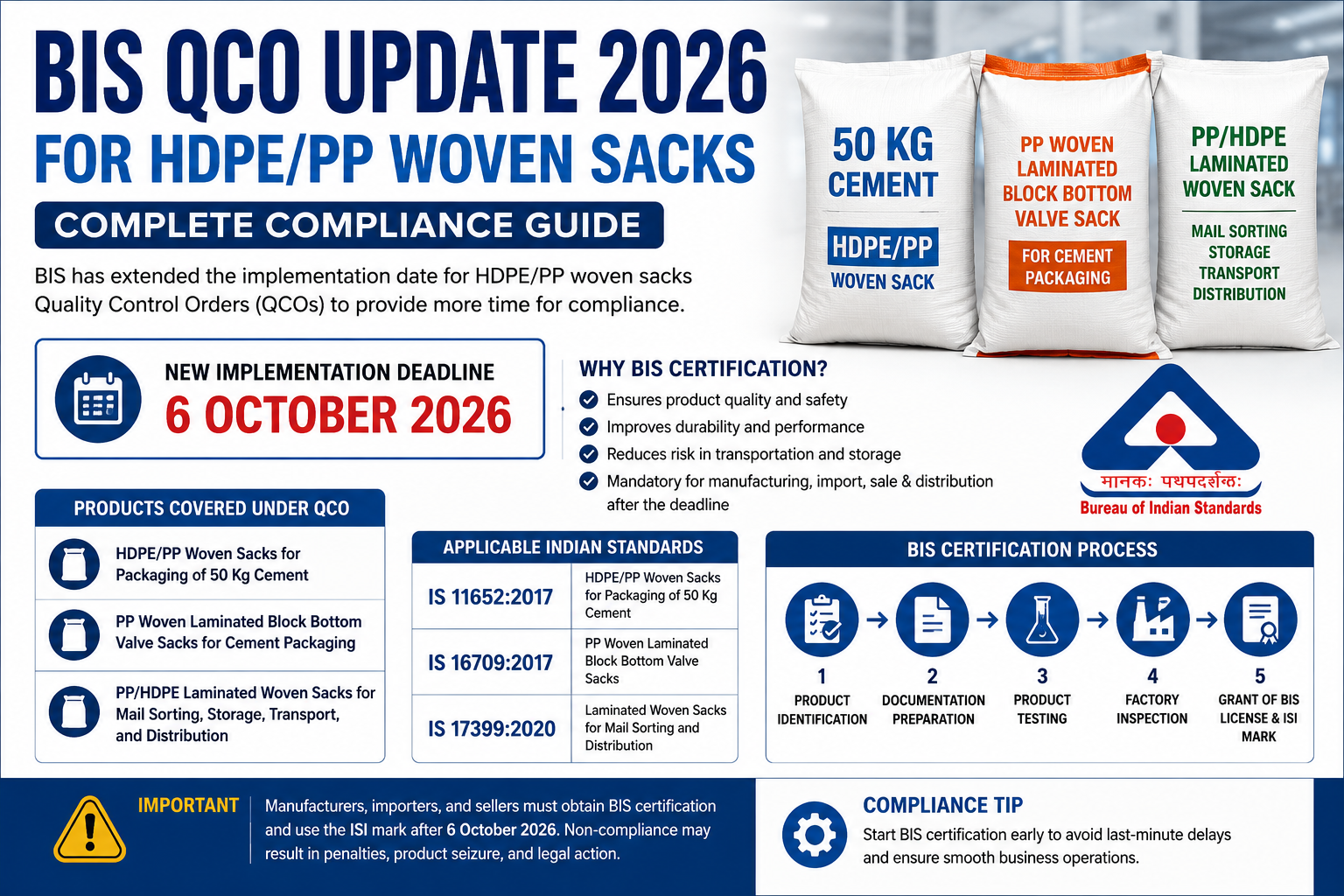
Process of Obtaining ISI Mark Certification
1. Application Submission
2. Documentation Review
3. Factory Inspection
4. Product Testing
5. Grant of License
Documents Required for ISI Certification
Cost of ISI Mark Certification
Why Choose Professional ISI Certification Consultants?
Conclusion