BIS QCO Update 2026 for HDPE/PP Woven Sacks – Complete Compliance Guide
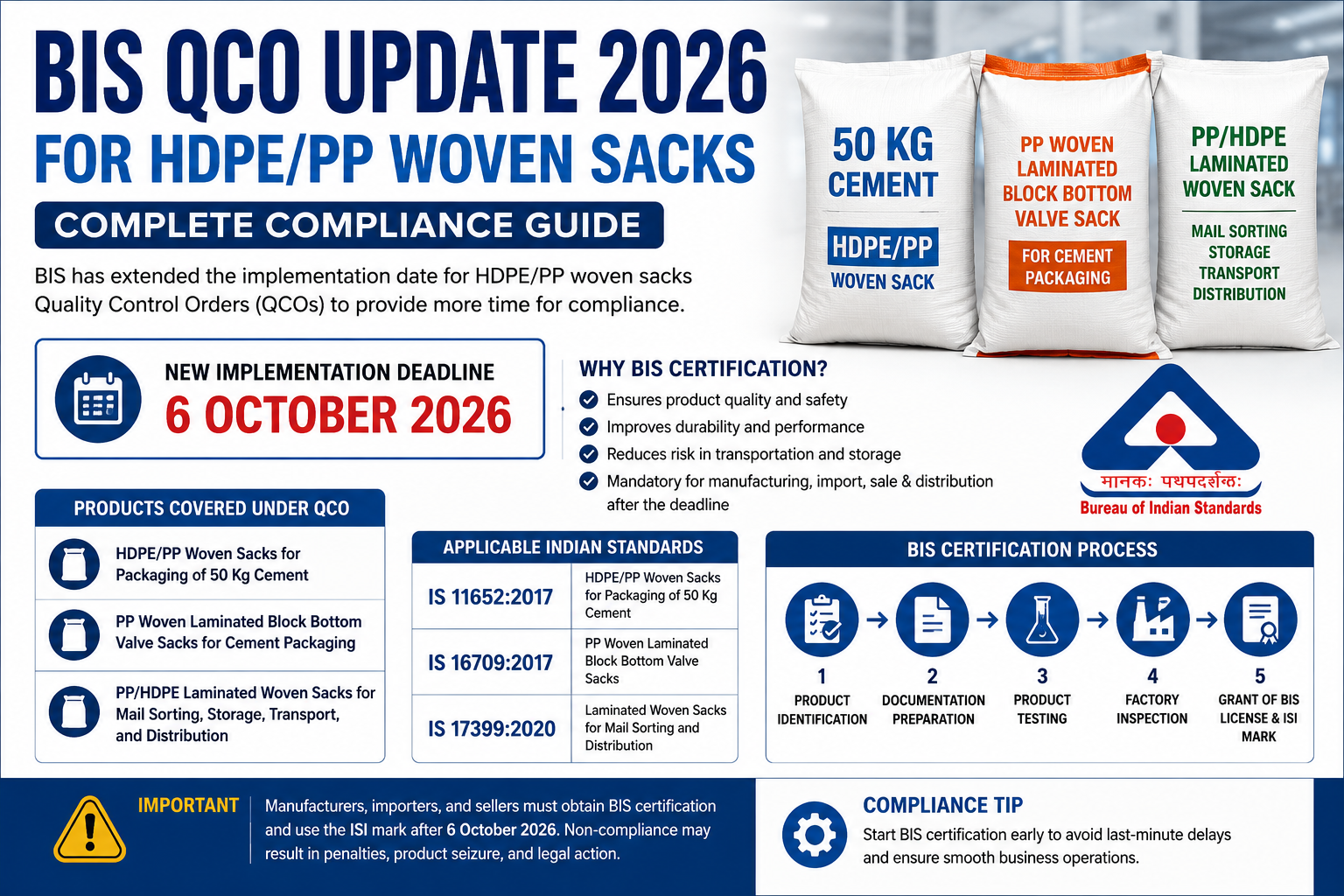
The Government of India has issued a major regulatory update regarding mandatory BIS compliance for HDPE and PP woven sacks used in cement packaging, mail storage, transport, and distribution. Under the latest amendment to the Quality Control Orders (QCOs), the implementation deadline for compliance has now been extended to 6 October 2026. This update provides additional time for manufacturers, importers, and sellers to complete the BIS certification process and align their products with Indian Standards.
The amendment was issued by the Ministry of Chemicals and Fertilizers under the Bureau of Indian Standards Act, 2016. The revised timeline applies to multiple categories of woven sacks that are widely used in industrial packaging and logistics operations across India.
Products Covered Under the BIS QCO 2026
The updated QCO covers the following products:
- HDPE/PP Woven Sacks for Packaging of 50 Kg Cement
- PP Woven Laminated Block Bottom Valve Sacks for Cement Packaging
- PP/HDPE Laminated Woven Sacks for Mail Sorting, Storage, Transport, and Distribution
These products are regulated because they are essential for safe packaging, storage, and transportation in industries such as cement manufacturing, logistics, e-commerce, and postal distribution.
Applicable Indian Standards
Manufacturers must comply with the relevant Indian Standards before obtaining BIS certification:
- IS 11652:2017 – HDPE/PP Woven Sacks for Packaging of 50 Kg Cement
- IS 16709:2017 – PP Woven Laminated Block Bottom Valve Sacks
- IS 17399:2020 – Laminated Woven Sacks for Mail Sorting and Distribution
These standards define product specifications related to tensile strength, durability, dimensions, stitching quality, lamination, load-bearing capacity, and overall packaging performance.
Key Update in the 2026 Amendment
Initially, the QCO implementation date was scheduled earlier in 2026. However, the government extended the deadline in the public interest after consultation with BIS authorities. The revised enforcement date is now 6 October 2026.
This extension is important for businesses because it gives additional time for:
- Product testing
- Factory inspection preparation
- Quality management improvements
- BIS license application processing
- Technical documentation completion
Although the deadline has been extended, businesses are advised not to delay compliance because BIS certification procedures may take several months.
Why BIS Certification is Mandatory
Once the QCO becomes fully effective, manufacturers and importers cannot legally manufacture, store, sell, distribute, or import covered woven sacks in India without BIS certification and the ISI mark. Non-compliance may result in:
- Product seizure
- Legal penalties
- Business restrictions
- Cancellation of import clearances
- Market rejection by buyers and government agencies
The main objective of the QCO is to improve packaging quality, ensure safety, reduce leakage and damage during transportation, and maintain product reliability in industrial supply chains.
BIS Certification Process for HDPE/PP Woven Sacks
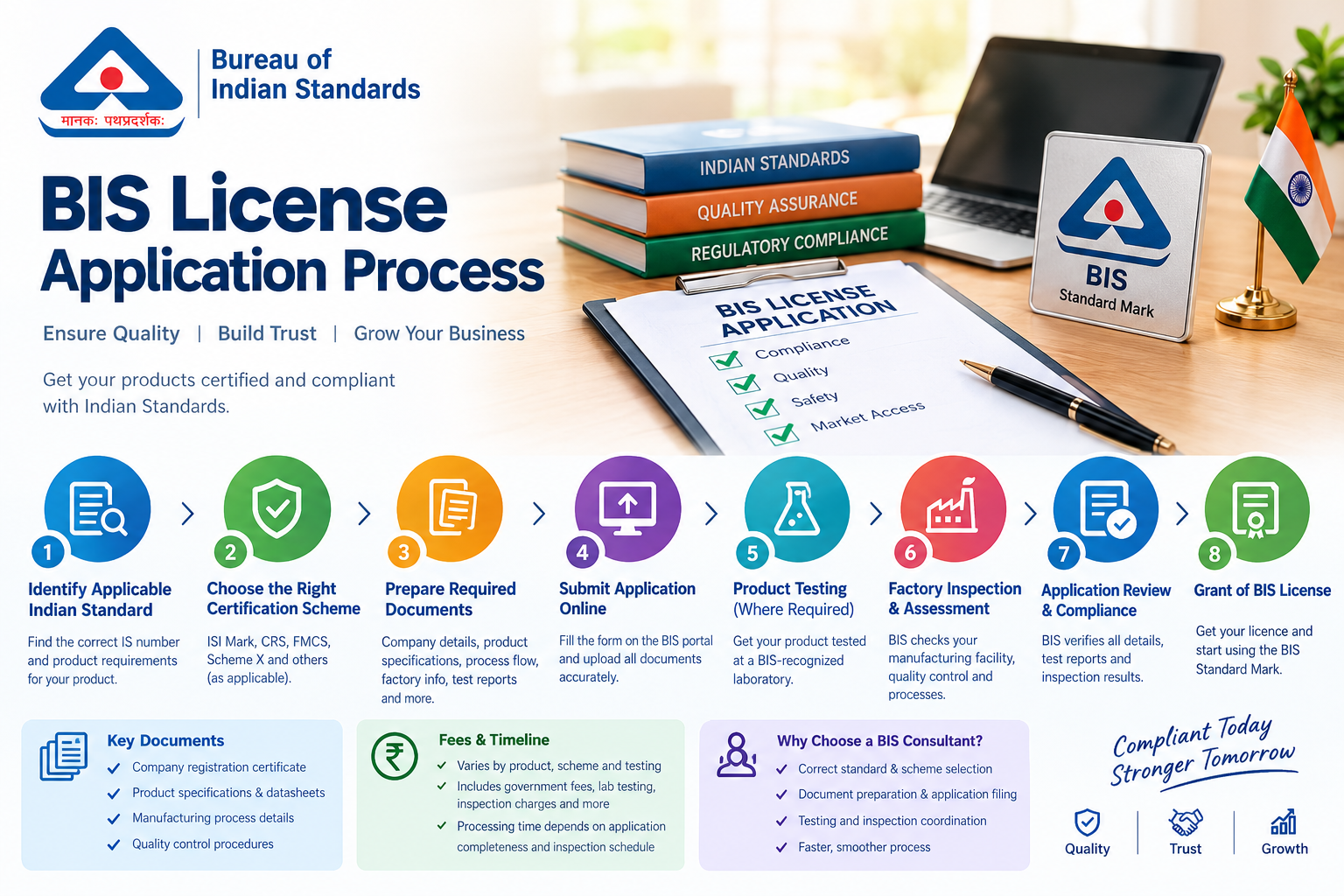
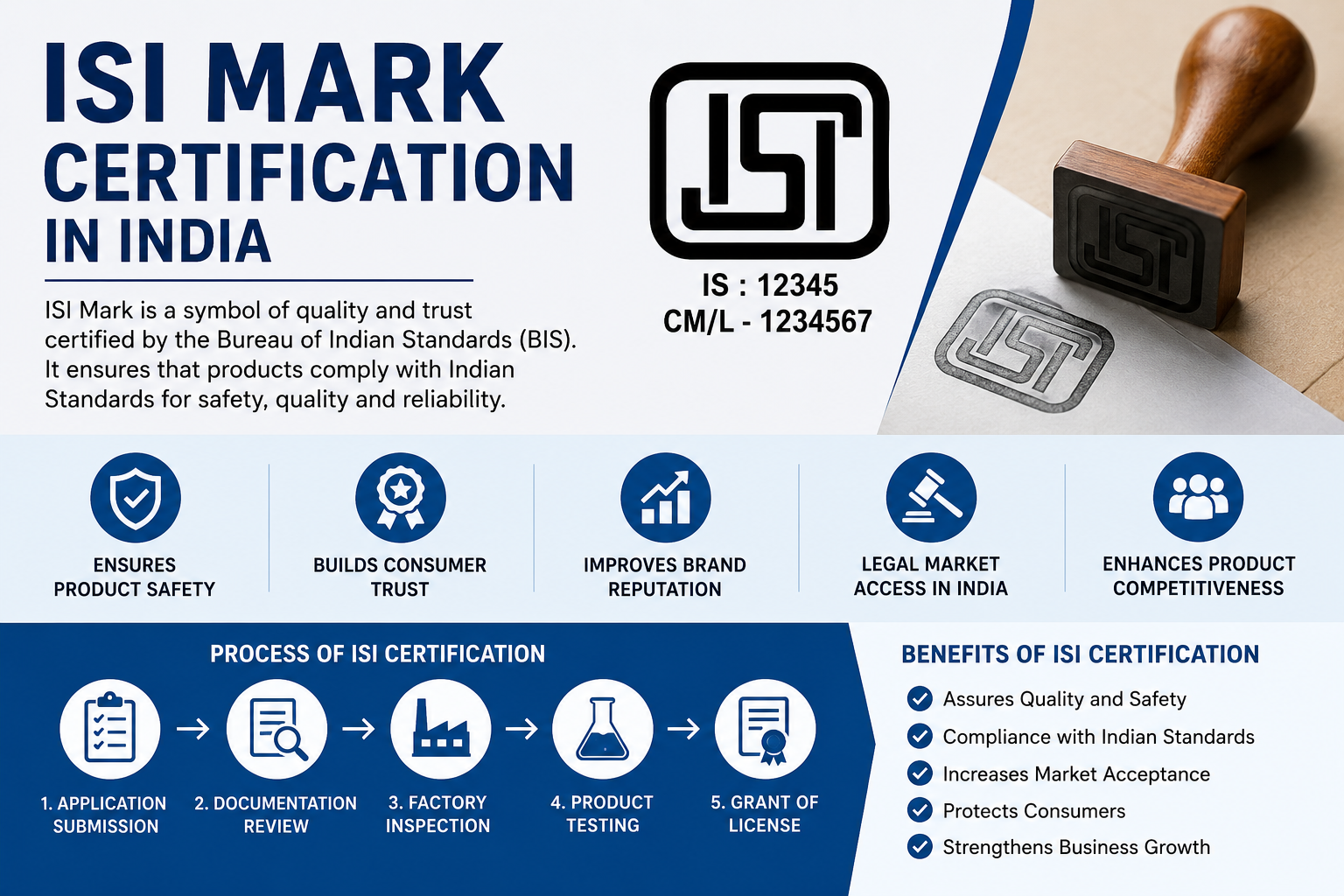
The BIS certification process generally includes the following steps:
1. Product Identification
Manufacturers must identify the applicable Indian Standard and product category under the QCO.
2. Documentation Preparation
Required documents may include:
- Factory license
- Manufacturing process details
- Raw material specifications
- Testing equipment details
- Quality control procedures
- Authorized signatory documents
3. Product Testing
Samples are tested in BIS-approved laboratories to verify compliance with the applicable Indian Standard.
4. Factory Inspection
BIS officials conduct a factory audit to evaluate manufacturing capability, quality control systems, and testing infrastructure.
5. Grant of BIS License
After successful testing and inspection, BIS grants the certification license and permission to use the ISI mark.
Important Compliance Tips for Manufacturers
To avoid last-minute delays, businesses should start preparing immediately. Key recommendations include:
- Upgrade in-house testing facilities
- Maintain proper quality records
- Ensure raw material consistency
- Train staff on BIS compliance procedures
- Conduct pre-compliance testing
- Monitor official BIS notifications regularly
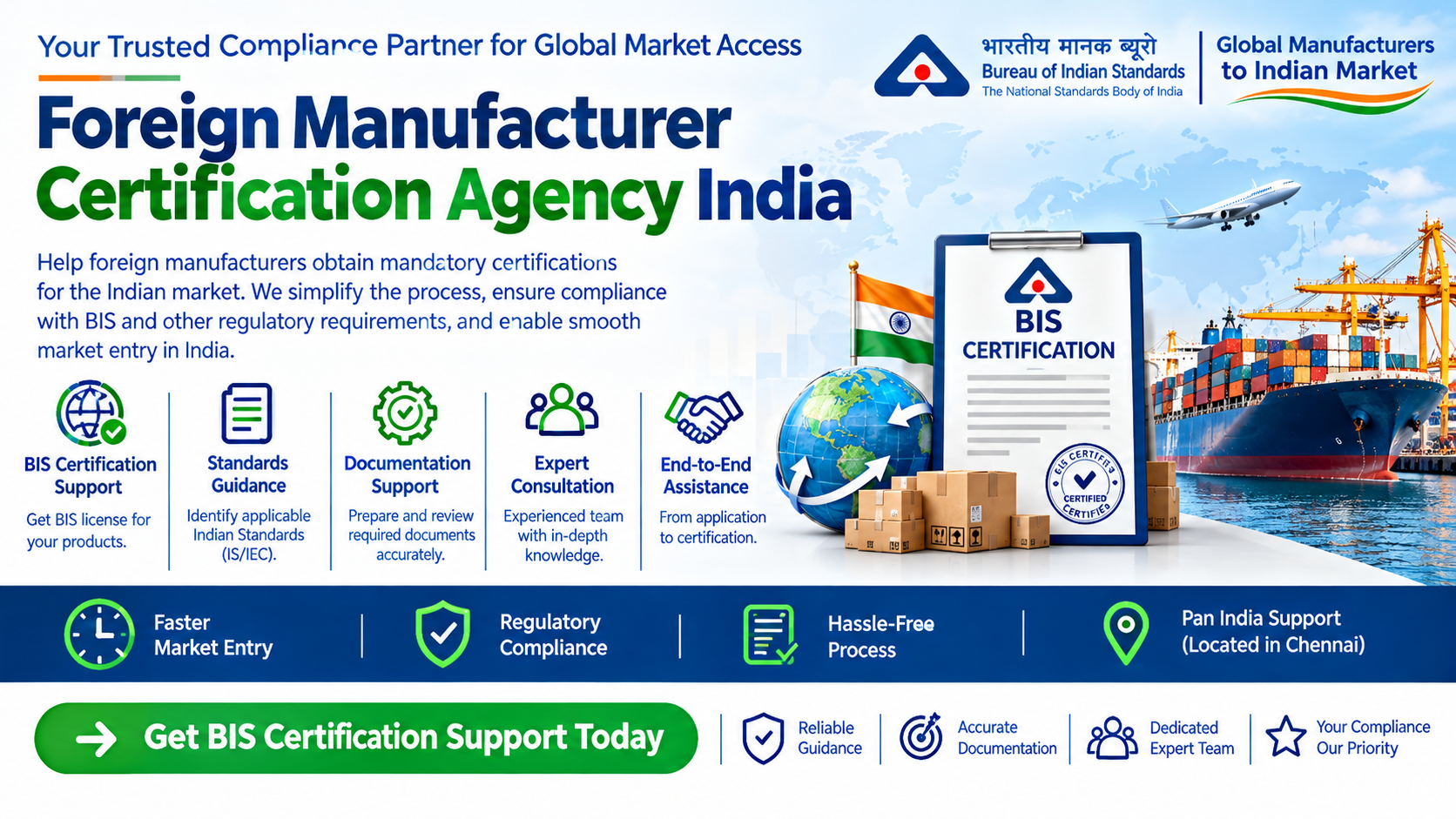
Manufacturers exporting to India should also begin the FMCS or foreign manufacturer certification process early because international approvals often require additional documentation and inspection coordination.
Impact on the Packaging Industry
The BIS QCO 2026 update will significantly improve the quality standards of industrial woven sacks in India. It is expected to reduce substandard packaging materials and improve reliability across the cement and logistics sectors.
At the same time, the regulation creates a major compliance responsibility for manufacturers and importers. Businesses that prepare early will gain a competitive advantage by ensuring uninterrupted supply and market access after the QCO enforcement date.
Companies involved in HDPE and PP woven sack manufacturing should treat this extension as an opportunity to complete certification smoothly before the final deadline of 6 October 2026.