
How to Get FMCS Certification in India
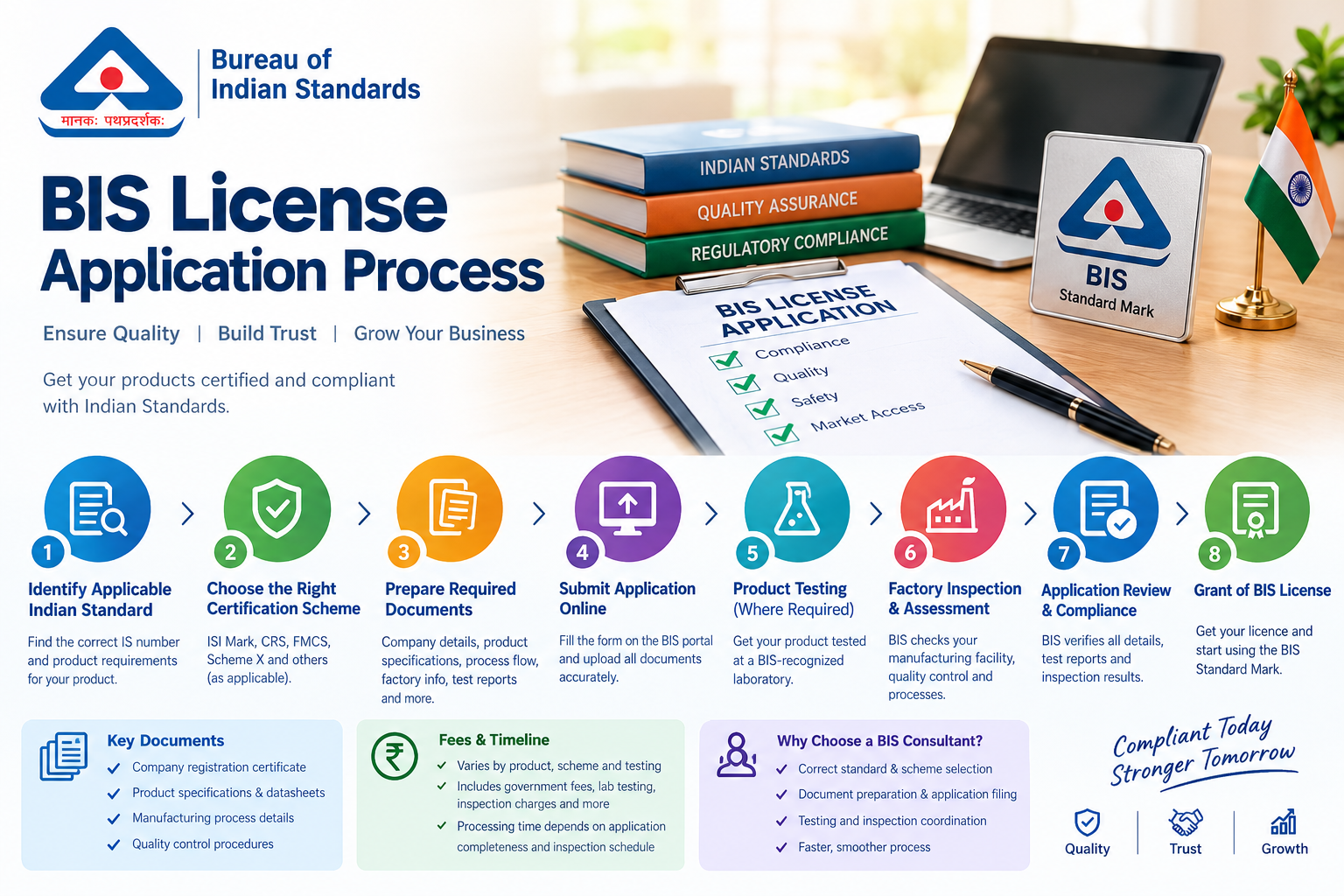
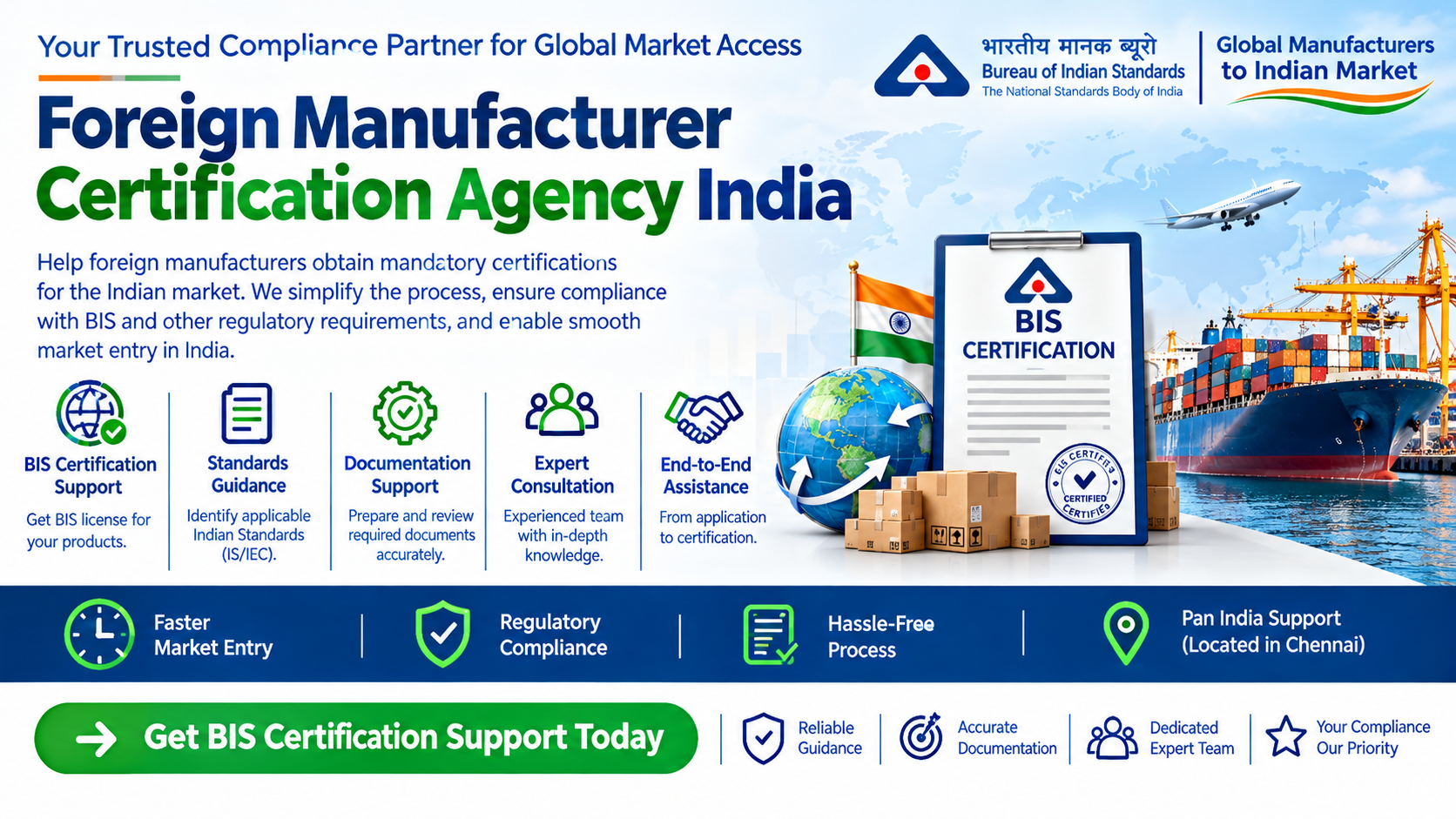
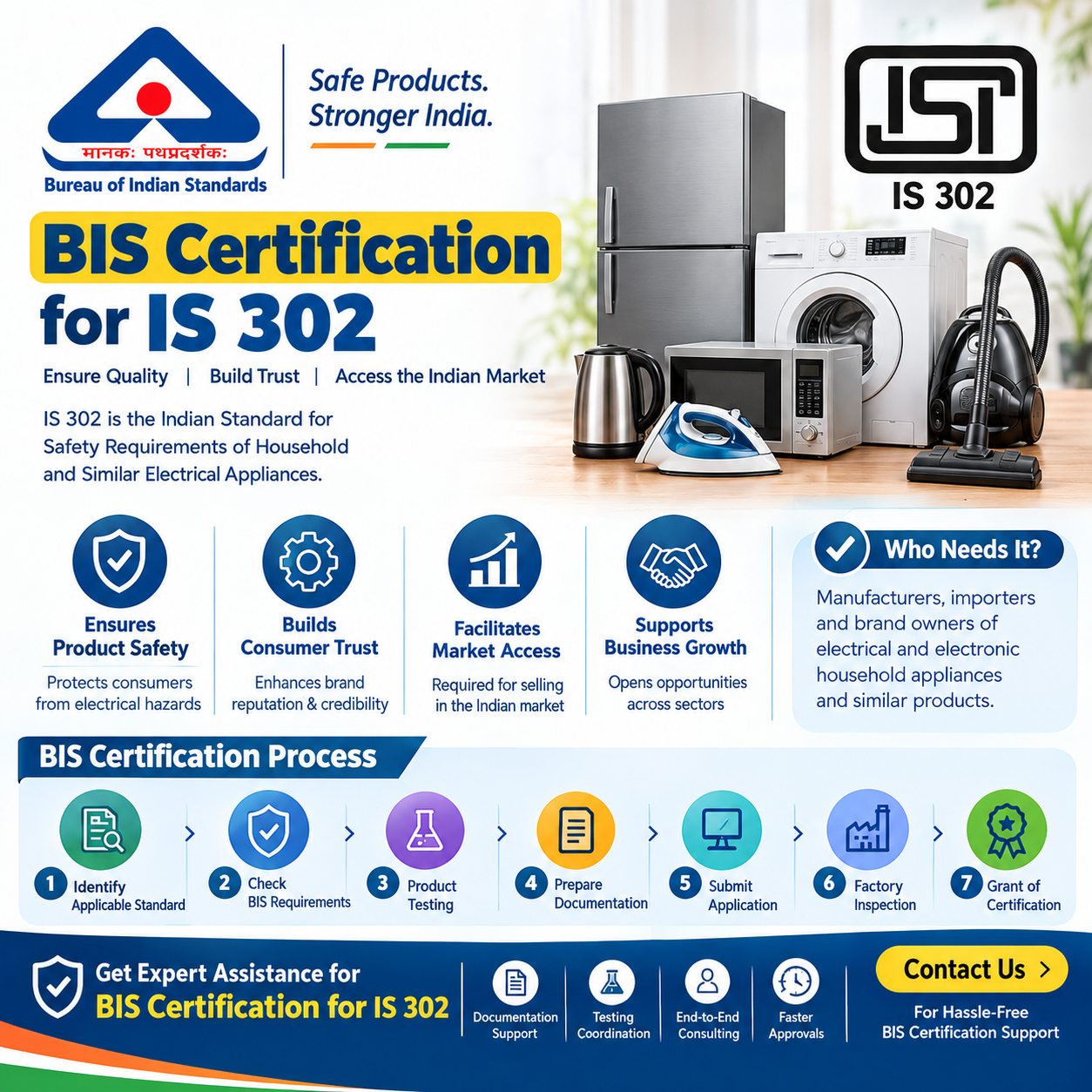
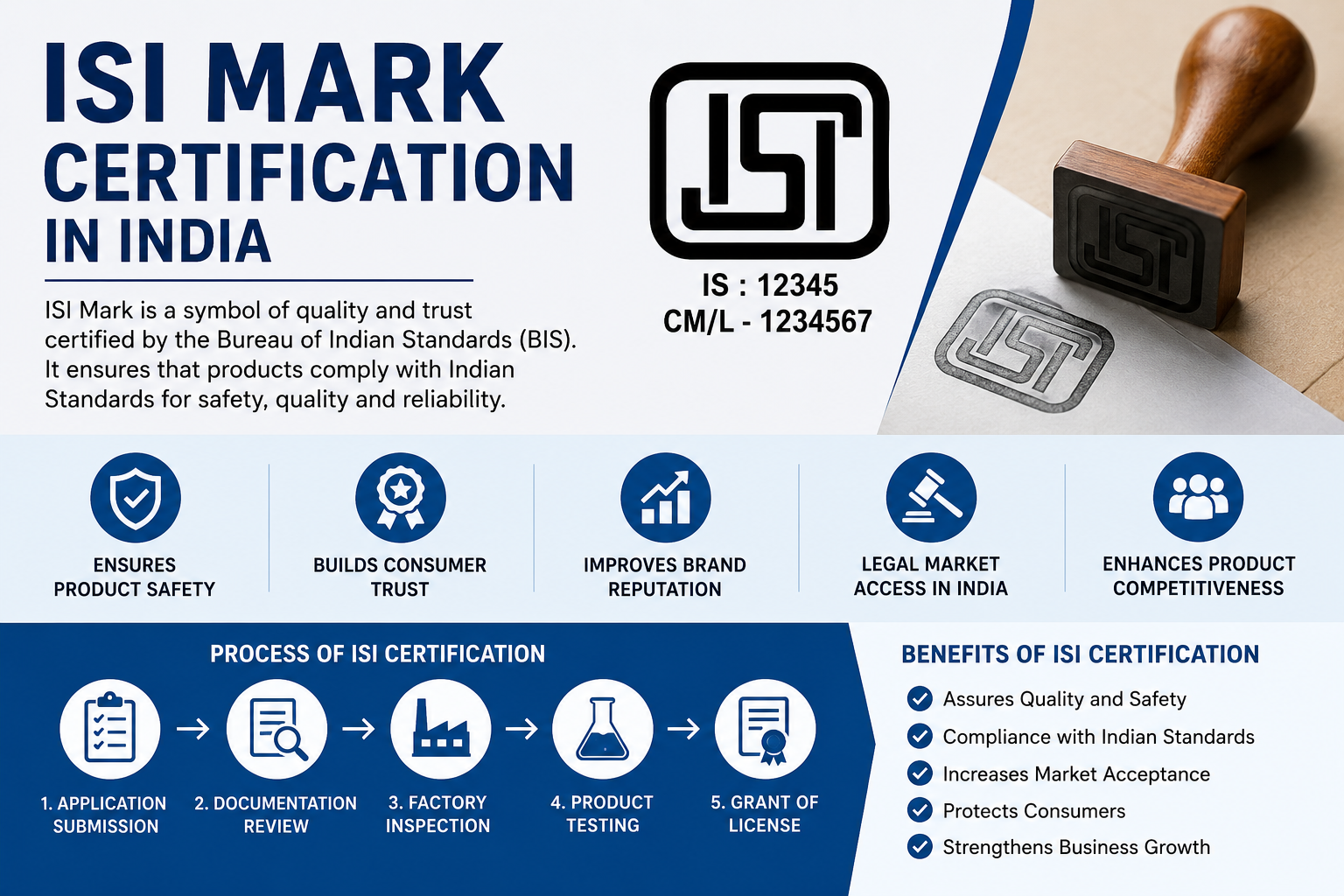
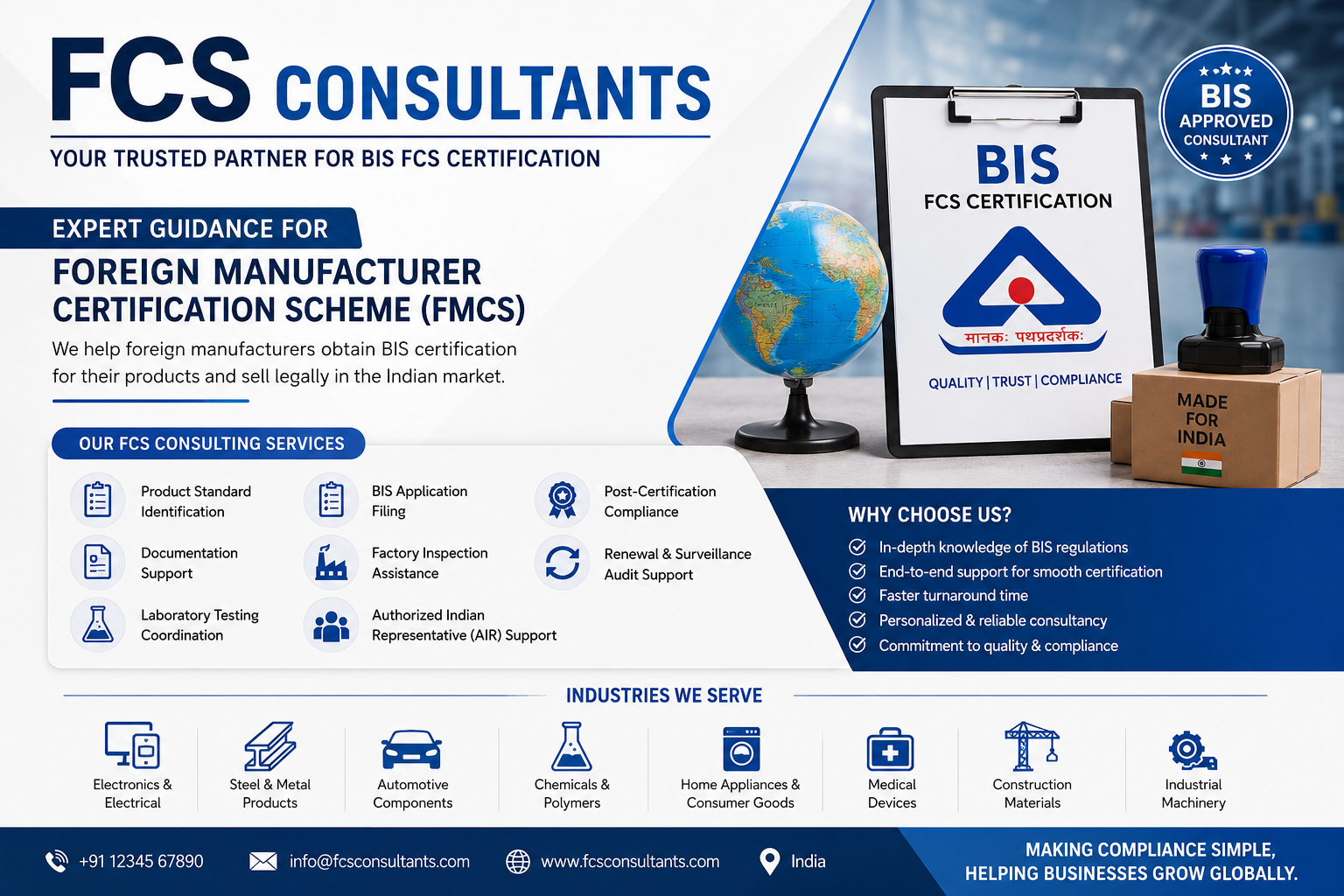
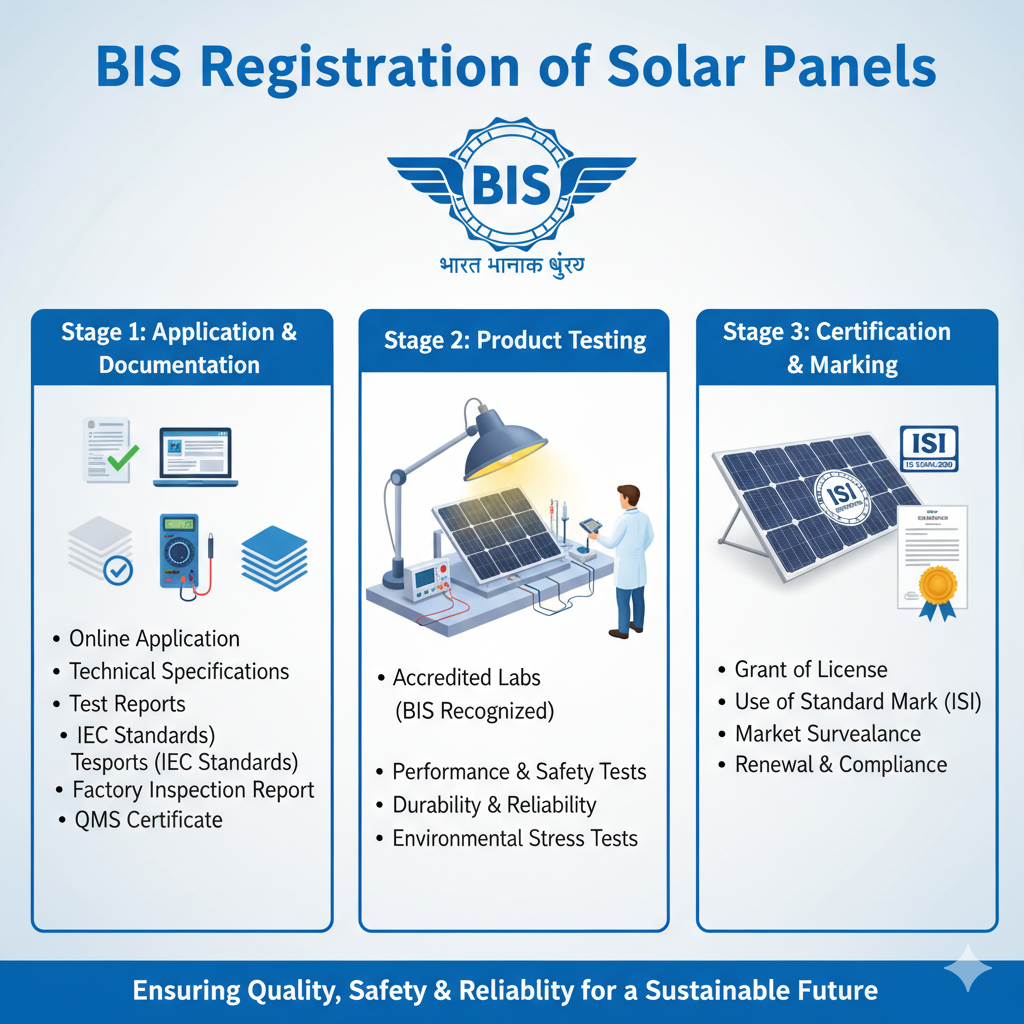
The Foreign Manufacturers Certification Scheme (FMCS) is a BIS certification scheme designed for manufacturers whose production facilities are located outside India. Under FMCS, the Bureau of Indian Standards (BIS) grants a licence to eligible foreign manufacturers to use the BIS Standard Mark on products that conform to the applicable Indian Standard. The scheme operates under the BIS Act, 2016 and the BIS (Conformity Assessment) Regulations, 2018. For foreign manufacturers planning to sell products in the Indian market, obtaining FMCS certification can be an important compliance requirement, particularly where the product is covered by a mandatory Quality Control Order (QCO). The following guide explains the major steps involved in obtaining FMCS certification in India. FMCS stands for Foreign Manufacturers Certification Scheme. It allows manufacturers located outside India to obtain a BIS licence for products manufactured at their overseas factory. The licence permits the manufacturer to use the applicable BIS Standard Mark on certified products. FMCS is generally applicable to products covered under BIS product certification, except electronic and IT goods notified under the applicable MeitY Compulsory Registration Scheme (CRS). The FMCS licence is administered by the Foreign Manufacturers Certification Department (FMCD) at BIS Headquarters in New Delhi. A foreign manufacturer can apply for FMCS certification if its factory is located outside India and it can demonstrate conformity with the applicable Indian Standard. The manufacturer should have appropriate manufacturing machinery, production facilities, testing arrangements and competent personnel capable of carrying out the required tests according to the relevant Indian Standard. The manufacturer must also agree to the applicable Scheme of Testing and Inspection (STI/SIT), marking requirements and BIS licence terms and conditions. A separate application is generally required for each product/Indian Standard and each manufacturing location. The first step is to identify the correct Indian Standard (IS) applicable to the product. The manufacturer should verify the product specification, scope, applicable tests, varieties and other technical requirements before beginning the certification process. It is also important to determine whether BIS certification is mandatory for the product under a QCO. If certification is mandatory, the foreign manufacturer must obtain the required BIS licence before legally supplying the covered product to the Indian market. Before submitting the application, the manufacturer should evaluate its factory against the requirements of the applicable Indian Standard and BIS product-specific guidelines. The factory should have the required manufacturing machinery, process controls, quality-control arrangements and testing facilities. Competent technical personnel should also be available to perform the required tests. BIS assesses these facilities during the factory visit, so preparation before inspection can help reduce delays and non-conformities. Appointment of an Authorized Indian Representative (AIR) is a key requirement under FMCS. The AIR must be an Indian resident and is responsible for representing the foreign manufacturer in matters relating to BIS compliance. The AIR helps coordinate communication with BIS, certification documentation, sample-related activities and compliance with the conditions of the BIS licence. BIS specifies eligibility and responsibility requirements for the AIR, including the need to avoid conflicts of interest with third-party testing laboratories. The manufacturer must prepare the prescribed application and supporting documentation. Depending on the product and applicable requirements, documentation can include company details, factory information, manufacturing process details, plant layout, machinery details, testing equipment, quality-control information, product specifications and relevant undertakings. The application should be complete and consistent with the actual factory conditions. Incomplete applications or delayed responses to BIS queries can increase the overall processing time. An important recent change is that FMCS applications are now submitted through the Manakonline portal. BIS states that offline/hard-copy applications were accepted only up to 31 May 2026, and from 1 June 2026, applications are accepted only through the online portal. The applicant must submit the required documents and applicable fees through the prescribed process. After submission, BIS reviews the application and supporting documents. If deficiencies or queries are identified, BIS communicates them to the applicant. The manufacturer must respond to these queries and provide the required corrections or additional documents. Once the application is considered complete and the applicable payment requirements are fulfilled, BIS records the application and proceeds with the certification process. One of the most important stages of FMCS certification is the factory assessment. BIS officials visit the overseas manufacturing facility to verify manufacturing infrastructure, production processes, quality-control systems and testing capabilities. During the visit, samples may also be drawn for independent testing. The manufacturer should ensure that production machinery, testing equipment, technical records, calibration documents, quality-control procedures and trained personnel are available for verification. Samples collected during the factory assessment are tested according to the applicable Indian Standard. BIS requires conformity with the relevant Indian Standard before the licence can be granted. The testing process may involve an appropriate BIS-recognized or otherwise applicable laboratory arrangement as specified by BIS. The applicant is responsible for the safe deposition of samples and payment of applicable testing charges. After satisfactory completion of the factory assessment and receipt of acceptable test results, the application moves toward grant of the BIS licence. The manufacturer may need to complete payment of the licence fee, advance minimum marking fee and other applicable dues before the licence is issued. Once granted, the manufacturer can use the BIS Standard Mark according to the conditions and scope specified in the licence. The actual timeline depends on the product, documentation, factory readiness, inspection scheduling, testing and responses to BIS queries. BIS's published FMCS process document indicates a typical processing period of around six months, although the actual time can be longer when applicant-side actions, testing, travel, visa or other clearances cause delays. FMCS certification involves technical documentation, Indian Standards, factory assessment, product testing and coordination with BIS. Professional FMCS certification consultants can help foreign manufacturers identify applicable standards, prepare documentation, review factory readiness, coordinate the AIR requirement, assist with application submission and support the manufacturer during the assessment and testing stages. Proper preparation can help minimize documentation errors, inspection-related issues and unnecessary delays. Obtaining FMCS certification in India requires a foreign manufacturer to demonstrate that its product, manufacturing process and testing facilities comply with the applicable Indian Standard. The process generally includes standard identification, factory readiness, AIR appointment, documentation, online application, BIS scrutiny, factory inspection, sample testing and final licence grant. Foreign manufacturers planning to enter the Indian market should begin compliance preparation well before commercial shipments, particularly when their products are covered by a mandatory QCO. By maintaining proper technical documentation and ensuring factory readiness, manufacturers can make the FMCS certification process more efficient and improve their chances of obtaining the BIS licence successfully.What Is FMCS Certification?
Who Can Apply for FMCS Certification?
Step 1: Identify the Applicable Indian Standard
Step 2: Check Manufacturing and Testing Facilities
Step 3: Appoint an Authorized Indian Representative (AIR)
Step 4: Prepare the FMCS Application
Step 5: Submit the Application Online
Step 6: BIS Application Scrutiny
Step 7: Factory Inspection by BIS
Step 8: Product Testing
Step 9: Grant of FMCS BIS Licence
FMCS Certification Timeline
Why Take Professional FMCS Consultancy?
Conclusion