
FMCS Certification in India
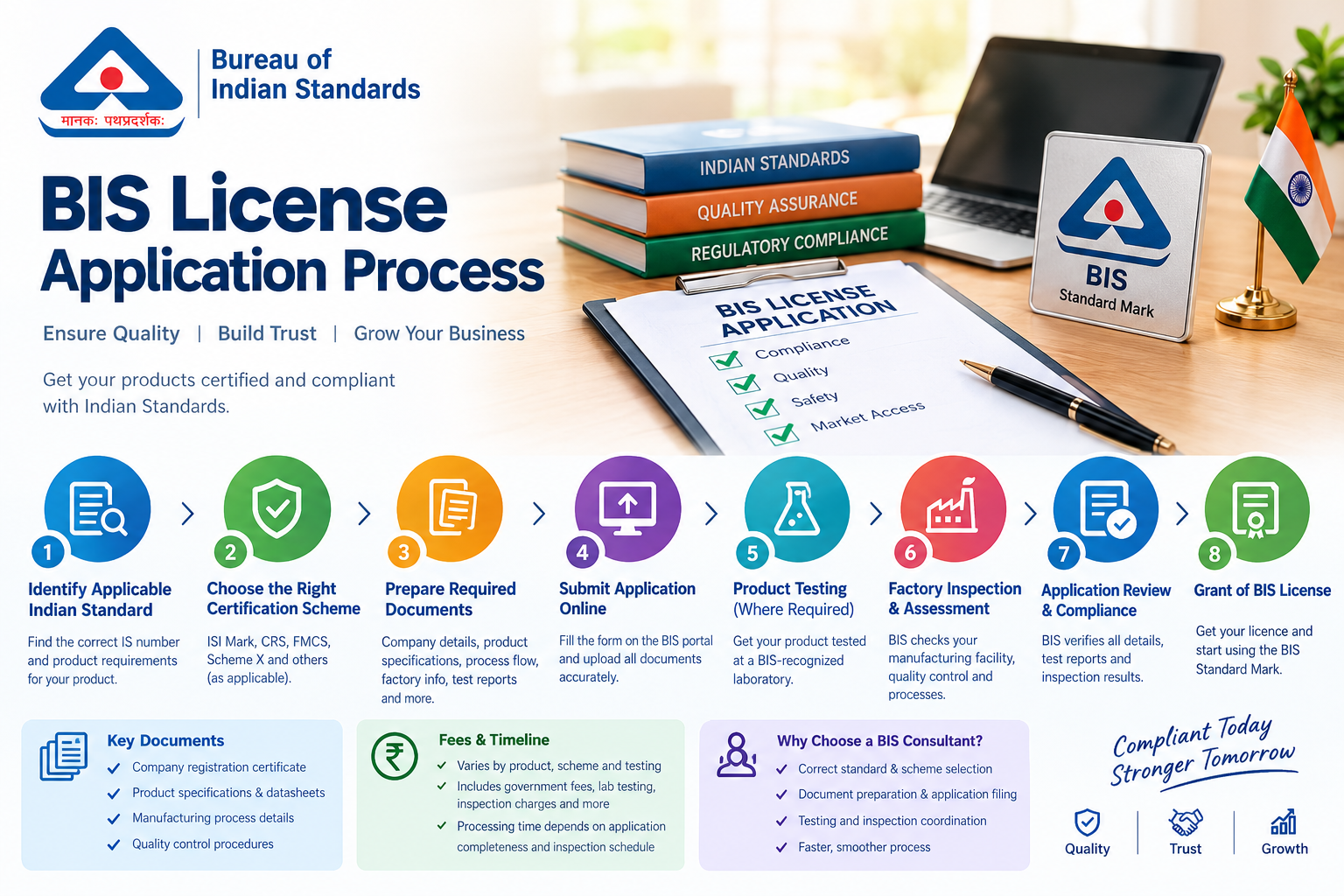
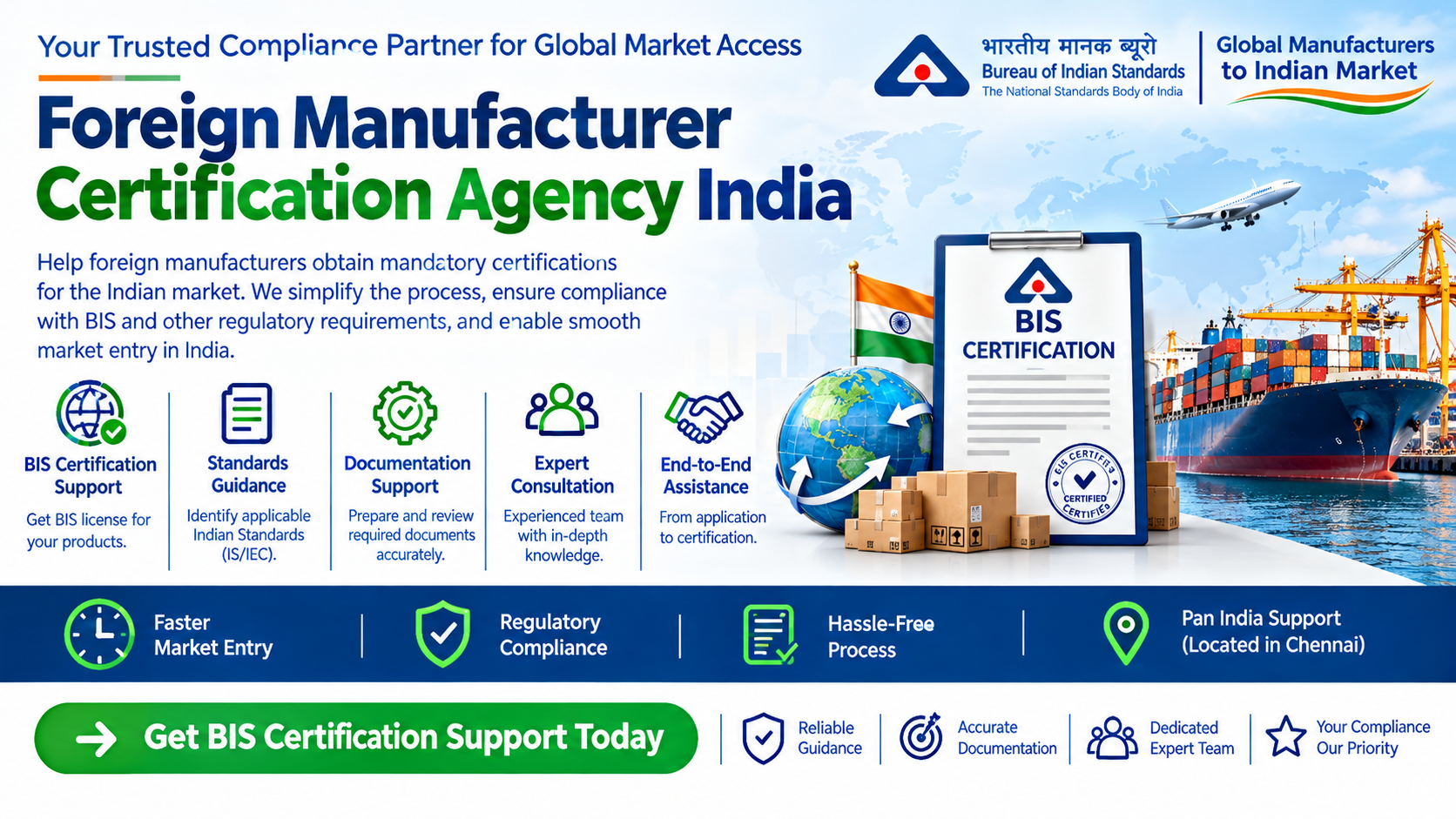
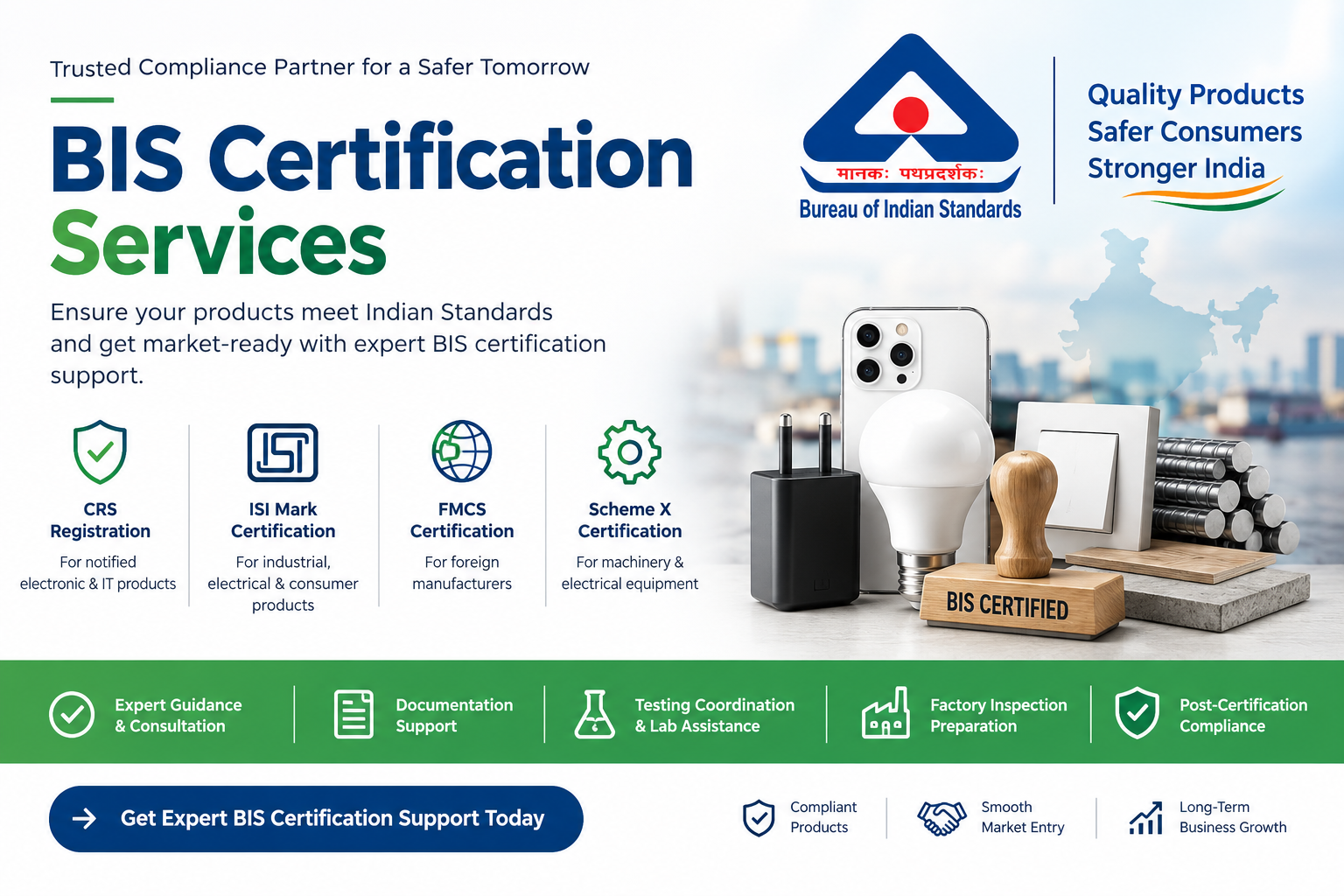
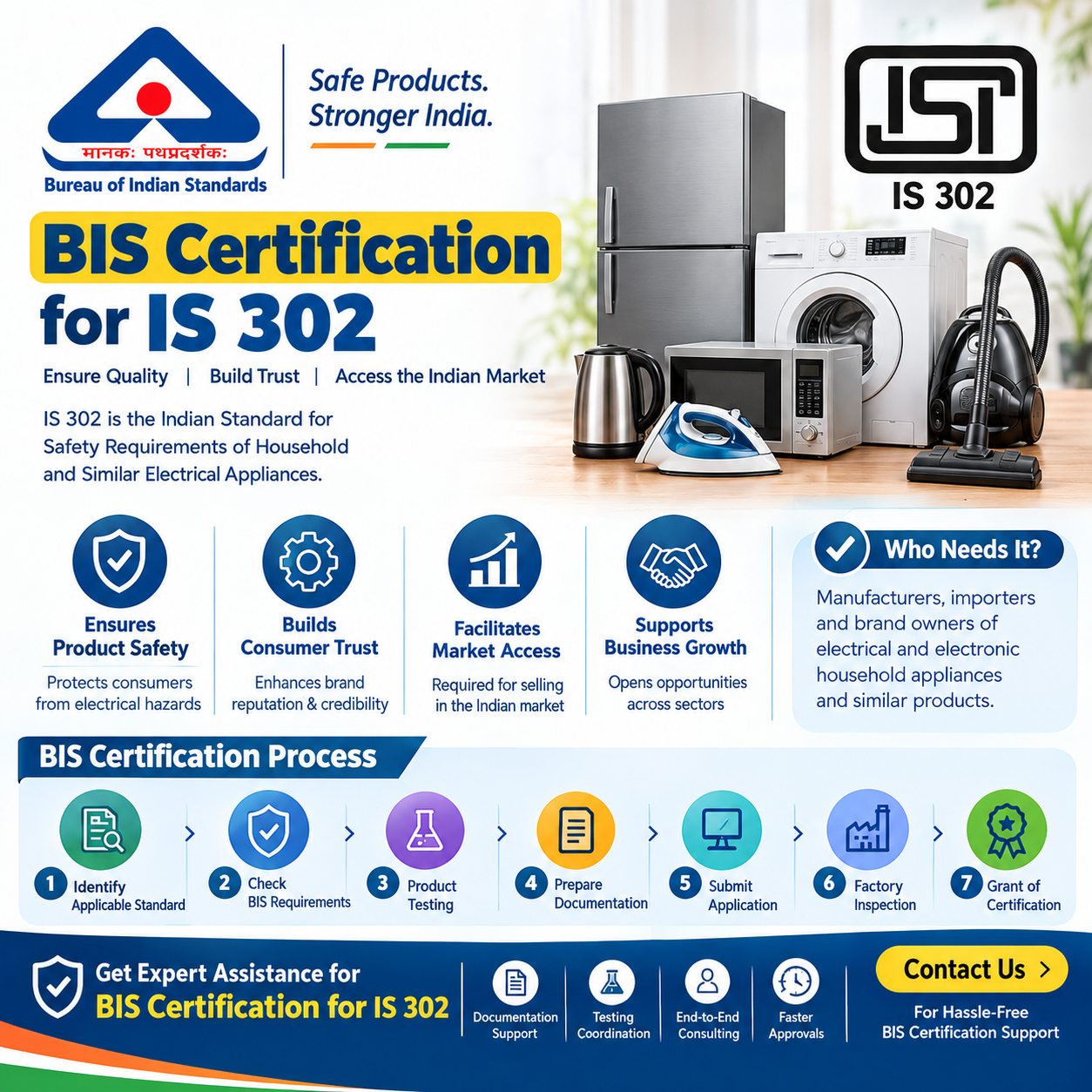
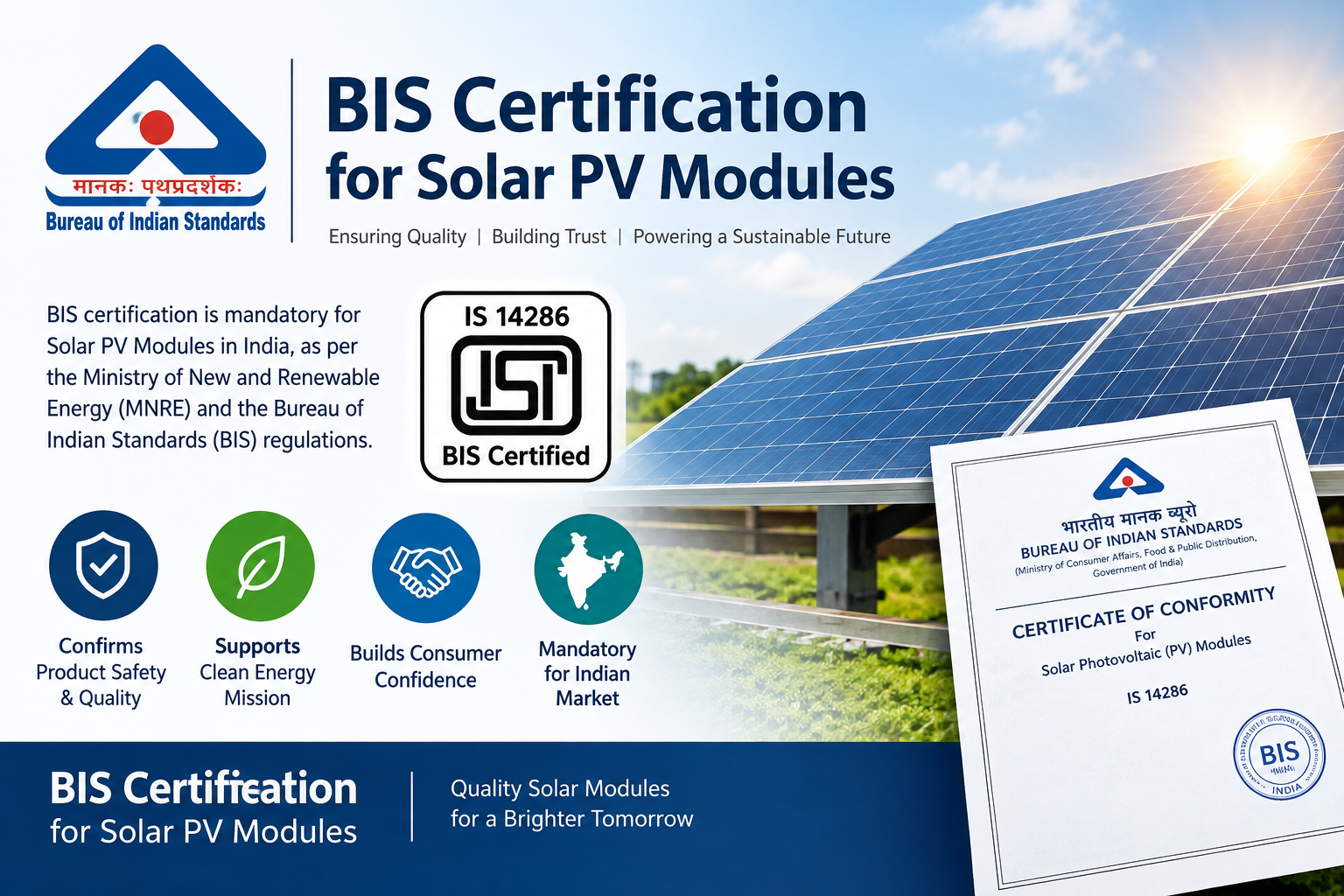
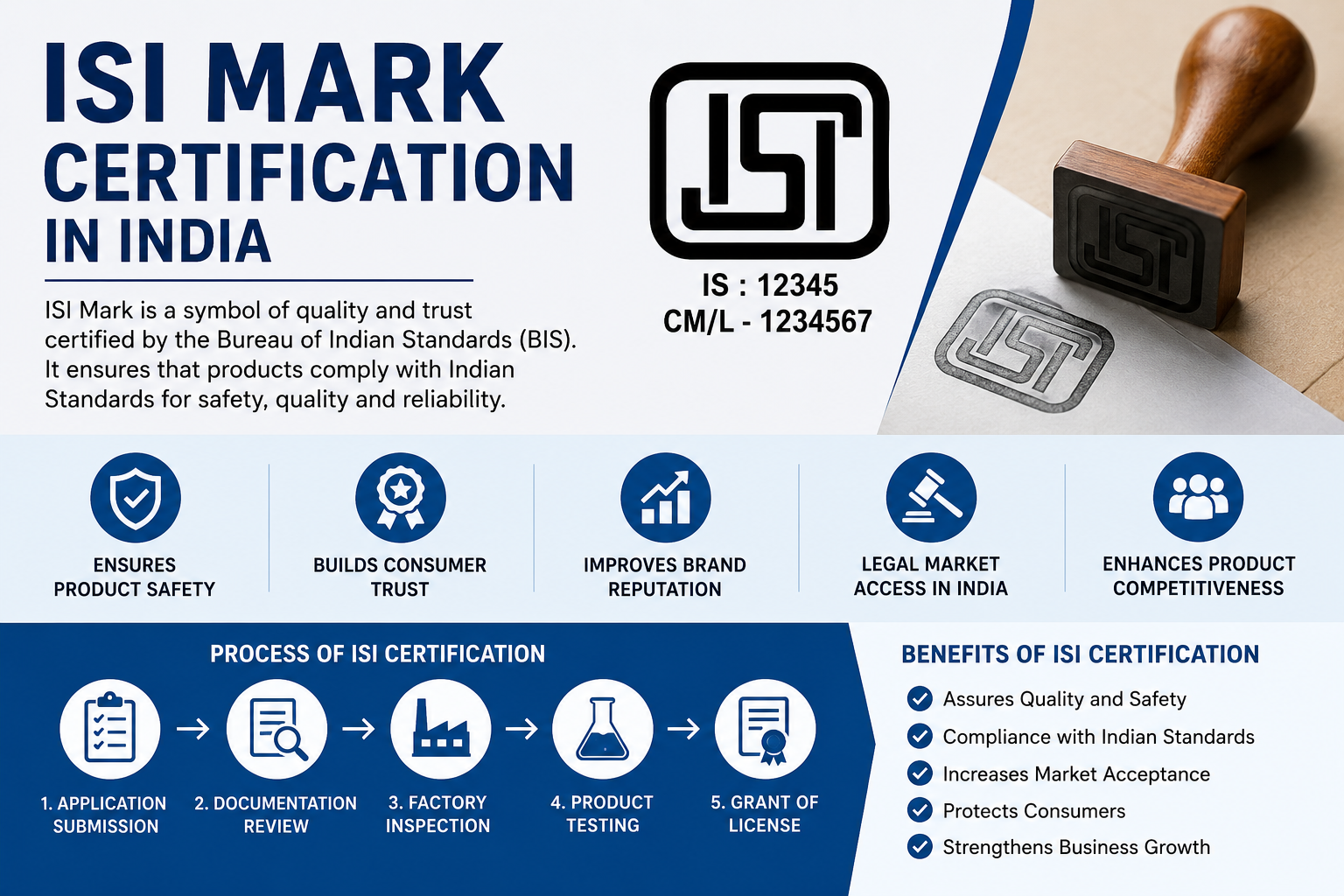
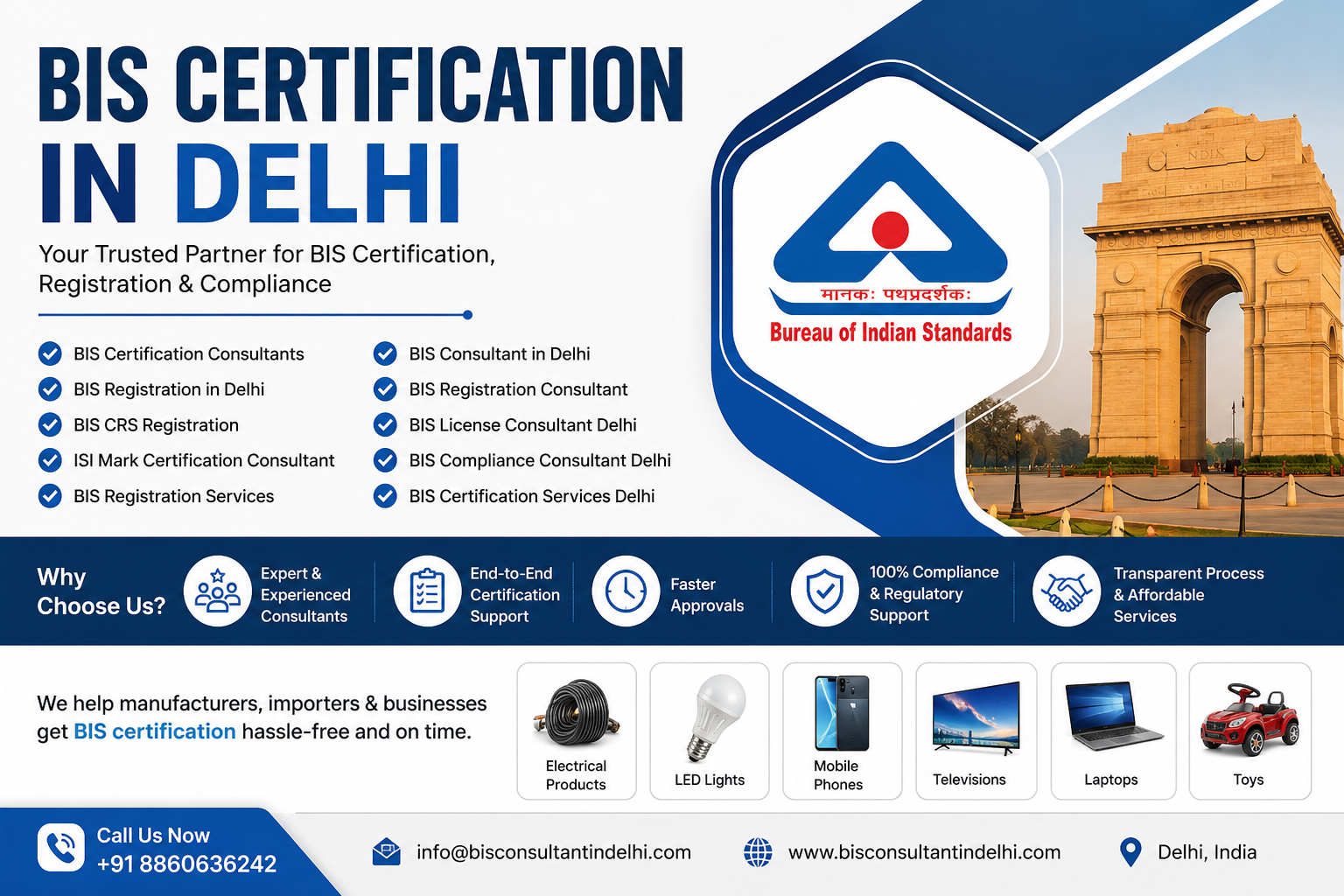
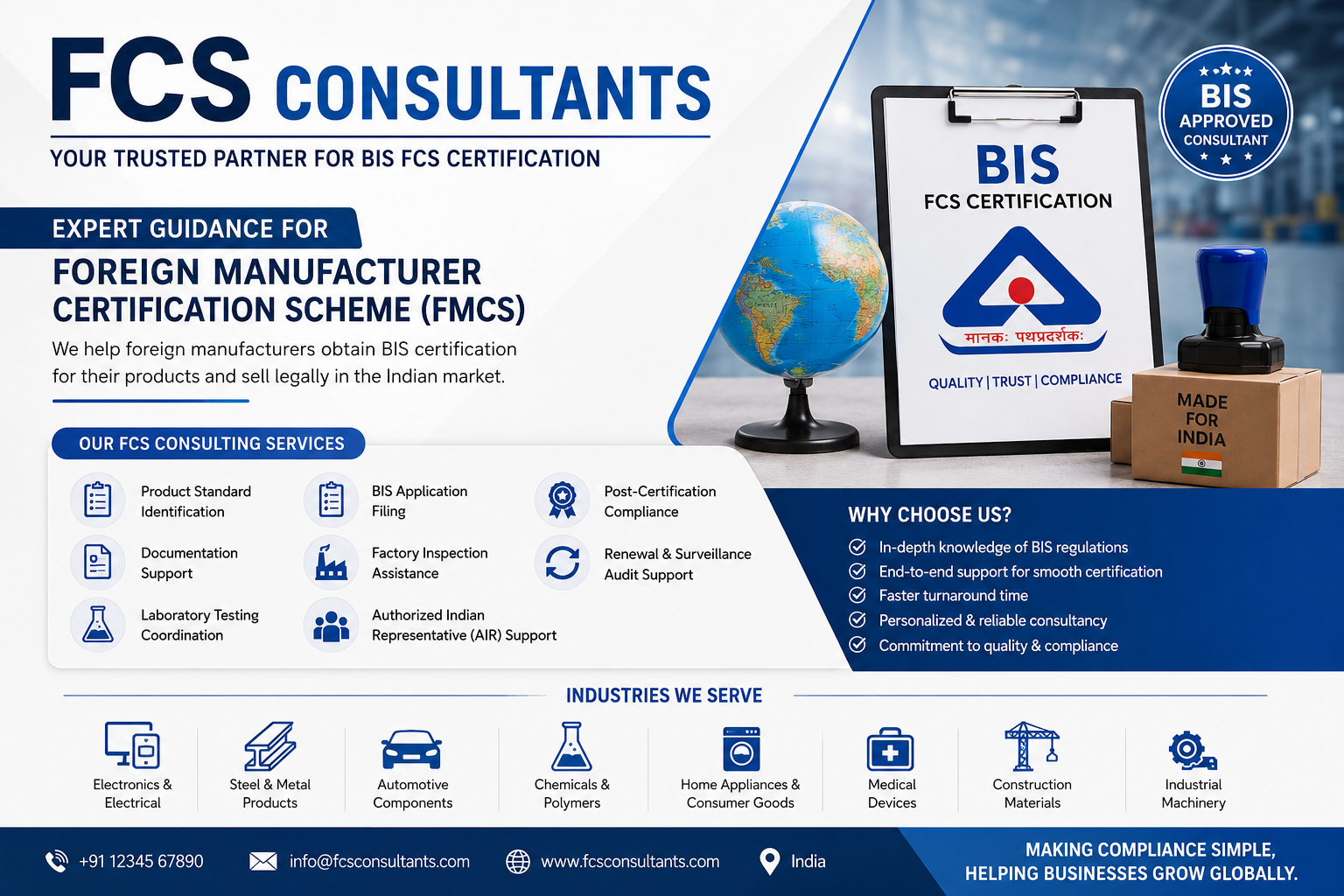
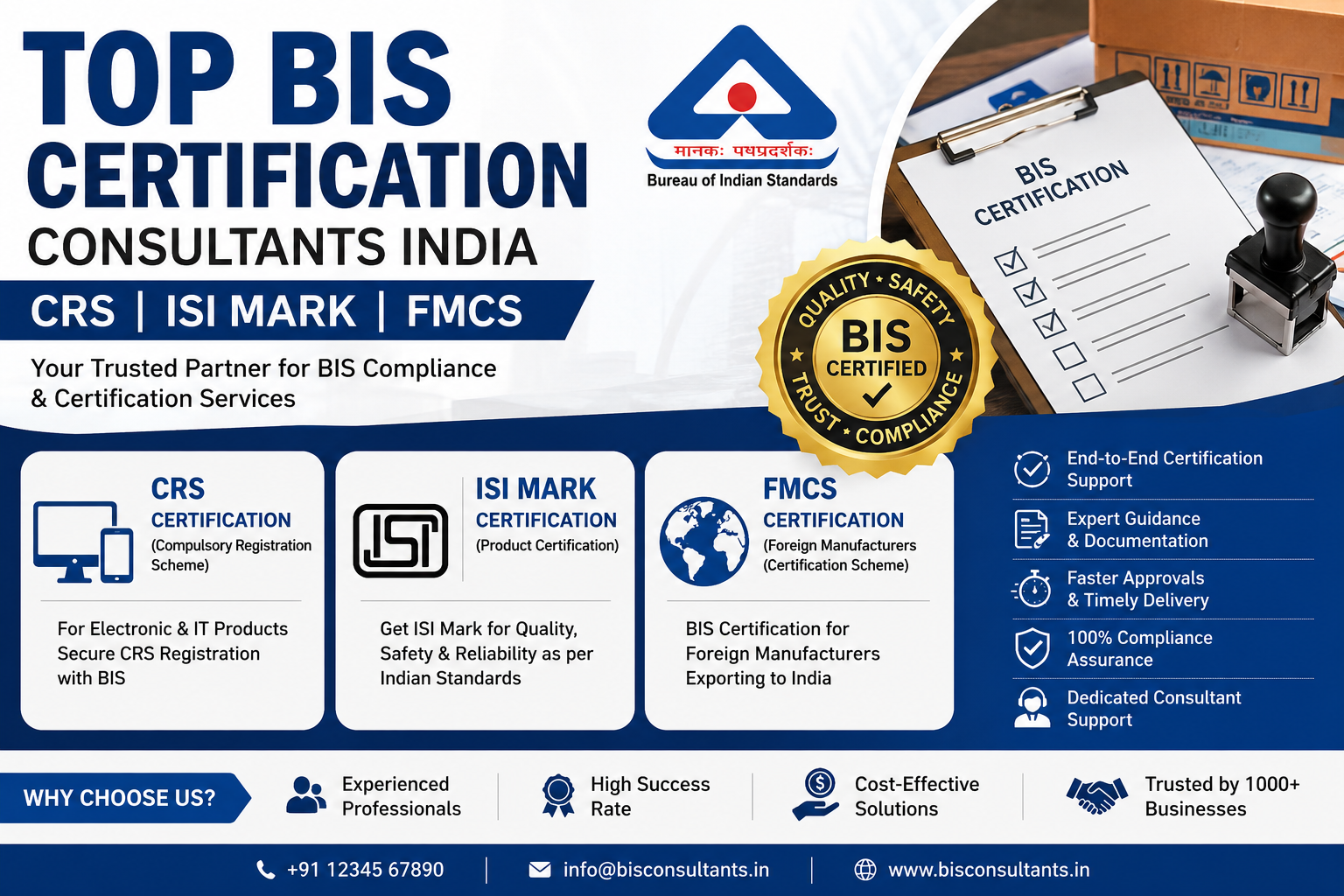
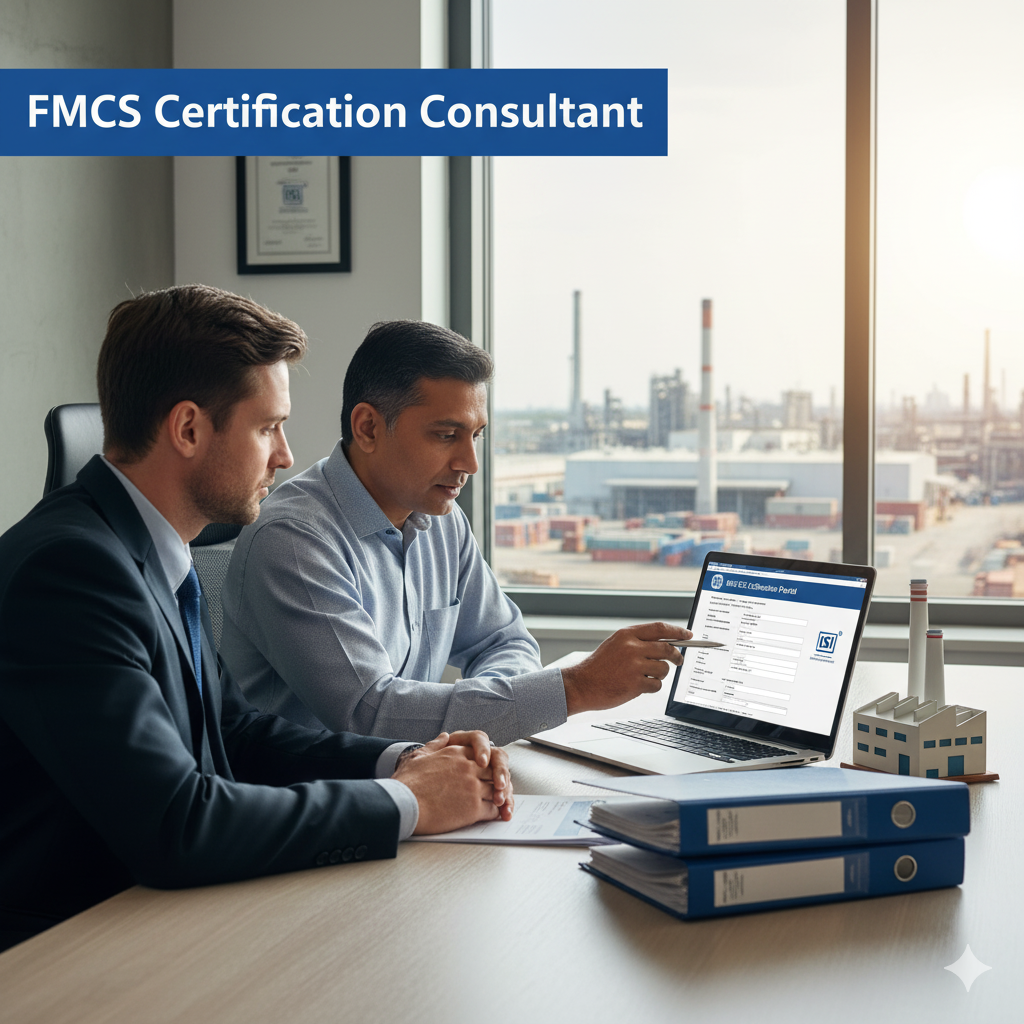
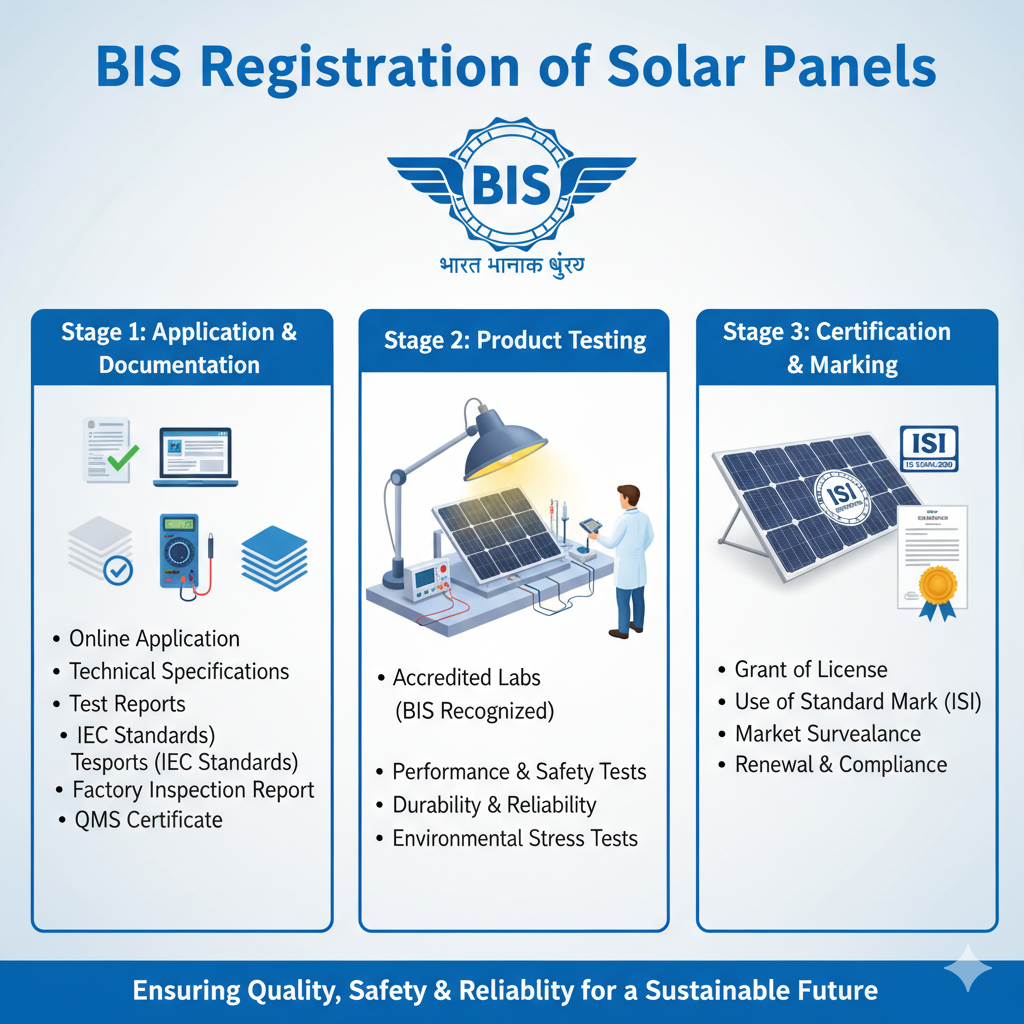
FMCS Certification in India is an important compliance requirement for foreign manufacturers who want to sell products in the Indian market that are covered under applicable Bureau of Indian Standards (BIS) requirements. FMCS stands for Foreign Manufacturers Certification Scheme, a certification scheme operated by the Bureau of Indian Standards (BIS). It enables eligible foreign manufacturers to obtain a BIS licence for using the standard mark on products manufactured outside India. For many regulated products, BIS certification demonstrates that the product complies with the applicable Indian Standard and meets prescribed quality and safety requirements. Foreign manufacturers seeking to enter India can therefore benefit from obtaining FMCS certification before marketing their covered products. The Foreign Manufacturers Certification Scheme was introduced by BIS to provide a mechanism for foreign manufacturers to obtain certification for products manufactured outside India. Under this scheme, BIS evaluates the manufacturer's production facilities, quality-control systems, testing capabilities, and product conformity. Unlike certification for an Indian manufacturer, FMCS involves additional requirements because the manufacturing facility is located outside India. BIS may conduct an inspection of the foreign manufacturing premises and assess whether the manufacturer has adequate infrastructure and quality-control arrangements to consistently produce products conforming to the relevant Indian Standard. Once the requirements are successfully completed, BIS may grant a licence allowing the manufacturer to use the BIS Standard Mark on the certified products, subject to applicable conditions. FMCS Certification is primarily applicable to foreign manufacturers producing products for which BIS certification is mandatory under the relevant Indian regulations or Quality Control Orders (QCOs). The exact requirement depends on the product, applicable Indian Standard, and current regulatory notification. Manufacturers should first identify the applicable Indian Standard and verify whether BIS certification is mandatory for their particular product. Products may need testing, factory inspection, documentation, and other compliance activities before the BIS licence can be issued. The FMCS certification process generally involves several stages. First, the foreign manufacturer identifies the applicable Indian Standard and determines the certification requirements for the product. The manufacturer then prepares the necessary application and supporting documents for submission to BIS. These may include manufacturing details, product specifications, quality-control information, testing arrangements, factory details, and other documents required by BIS. After application review, BIS may arrange a factory inspection. During the inspection, the manufacturing facility, production process, quality-control system, testing facilities, and product conformity are evaluated. Product samples may also be tested according to the applicable Indian Standard. Depending on the certification requirements, testing may be carried out in the manufacturer's laboratory, a BIS-recognized laboratory, or another approved testing facility. If the manufacturer satisfies the applicable requirements and the test results are acceptable, BIS can proceed toward granting the certification licence. After certification, the manufacturer must continue to maintain compliance with the applicable requirements. The exact documentation varies according to the product and applicable standard. Commonly required information may include company registration documents, manufacturing facility details, product specifications, technical documentation, quality-control procedures, details of testing equipment, calibration records, manufacturing process information, and details of authorized representatives. Foreign manufacturers may also need to appoint an authorized Indian representative, where required under the applicable BIS procedure. Proper preparation of documentation can help reduce delays during application review and factory assessment. FMCS certification can provide several benefits to foreign manufacturers. It helps demonstrate conformity with applicable Indian Standards and supports legal market access where BIS certification is mandatory. It can also improve customer confidence because the certified product has undergone an established conformity-assessment process. BIS certification can further help manufacturers establish their products in the Indian market and build credibility with distributors, importers, businesses, and other customers. The FMCS process can involve technical documentation, product testing, factory inspection, communication with BIS, and compliance with applicable Indian Standards. A professional FMCS consultant can assist manufacturers in understanding the certification requirements, preparing documents, coordinating testing, identifying compliance gaps, and supporting the manufacturer during the certification process. However, certification requirements differ from one product to another. Manufacturers should always verify the latest BIS requirements applicable to their specific product before beginning the application process. FMCS Certification in India provides a structured route for eligible foreign manufacturers to obtain BIS certification for products covered by applicable Indian requirements. From identifying the relevant Indian Standard and preparing documentation to product testing and factory inspection, each stage needs careful attention. Working with an experienced FMCS consultant can make the certification process more organized and help manufacturers address documentation and compliance requirements efficiently. Foreign manufacturers planning to sell regulated products in India should check the latest BIS notifications, applicable QCOs, and product-specific requirements before applying for certification.What is FMCS Certification?
Who Needs FMCS Certification in India?
FMCS Certification Process
Documents Required for FMCS Certification
Benefits of FMCS Certification
Why Choose an FMCS Certification Consultant?
Conclusion