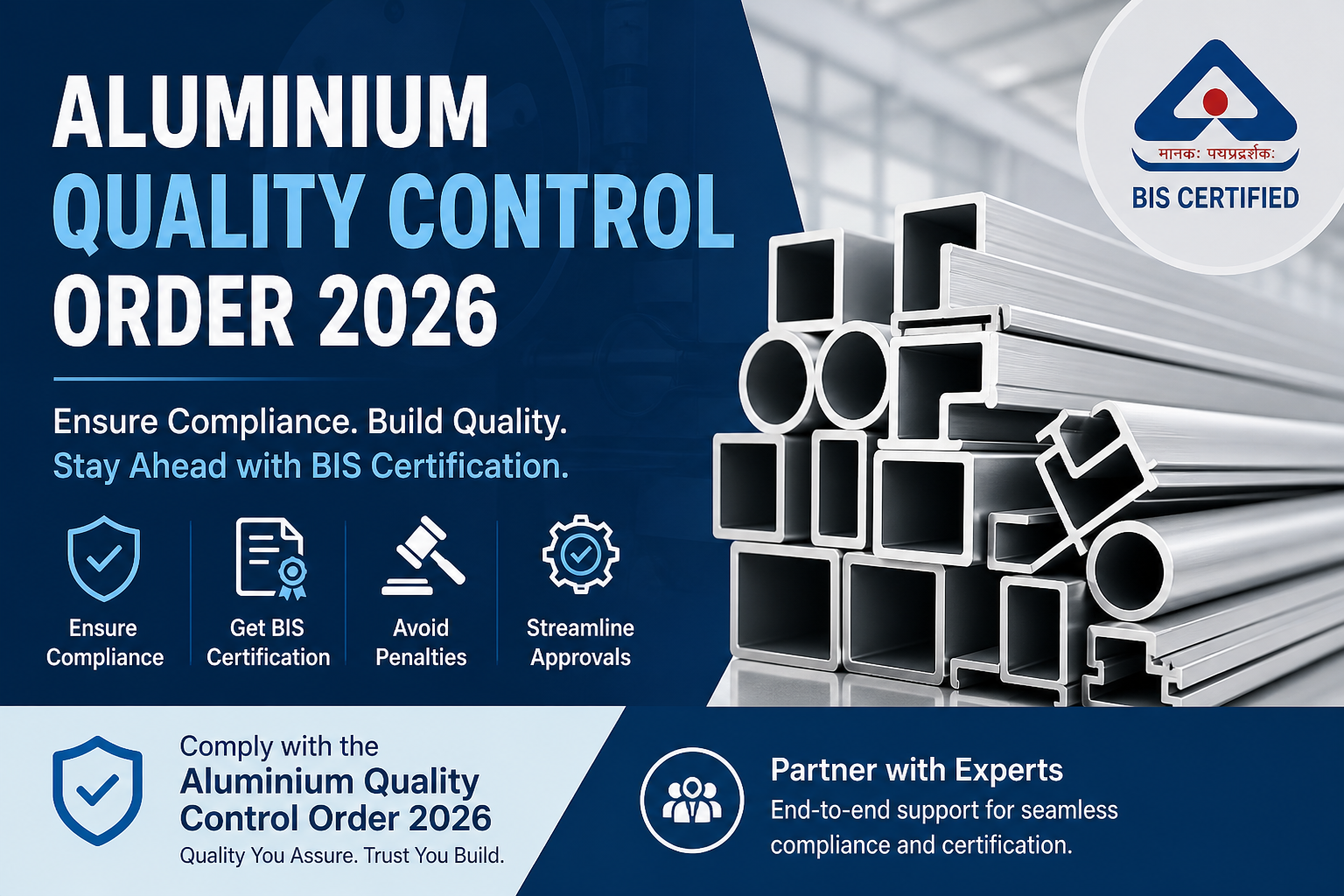
Aluminium Quality Control Order 2026
Aluminium & Aluminium Alloy Products (Quality Control) Order, 2026 – Complete Guide for Businesses
Introduction
The Government of India has introduced the Aluminium & Aluminium Alloy Products (Quality Control) Order, 2026, marking a significant step toward improving product quality, safety, and standardization in the aluminium industry.
This order, issued under the Bureau of Indian Standards (BIS) Act, 2016, mandates strict compliance requirements for manufacturers dealing in aluminium and aluminium alloy products.
What is the Quality Control Order (QCO) 2026?
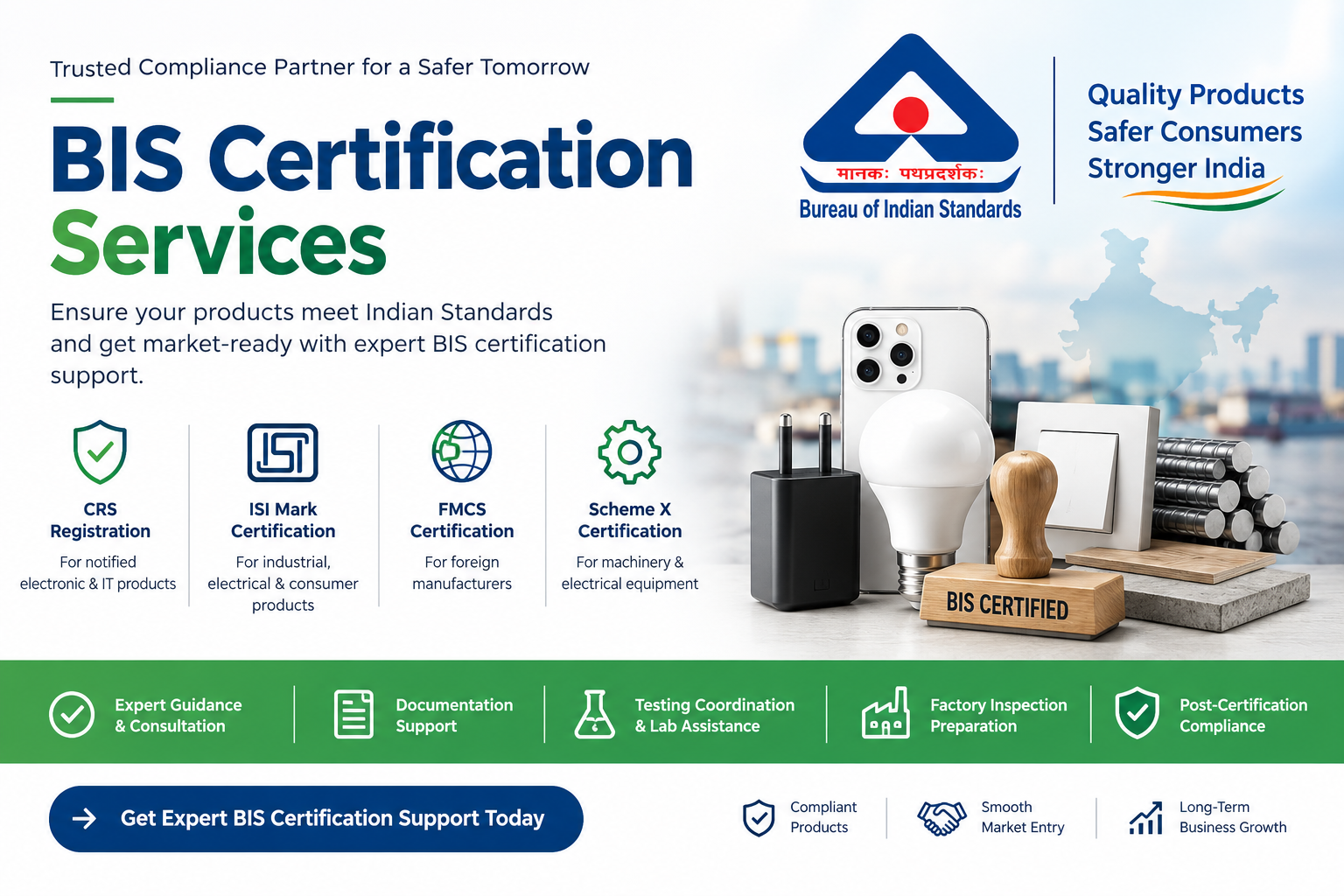
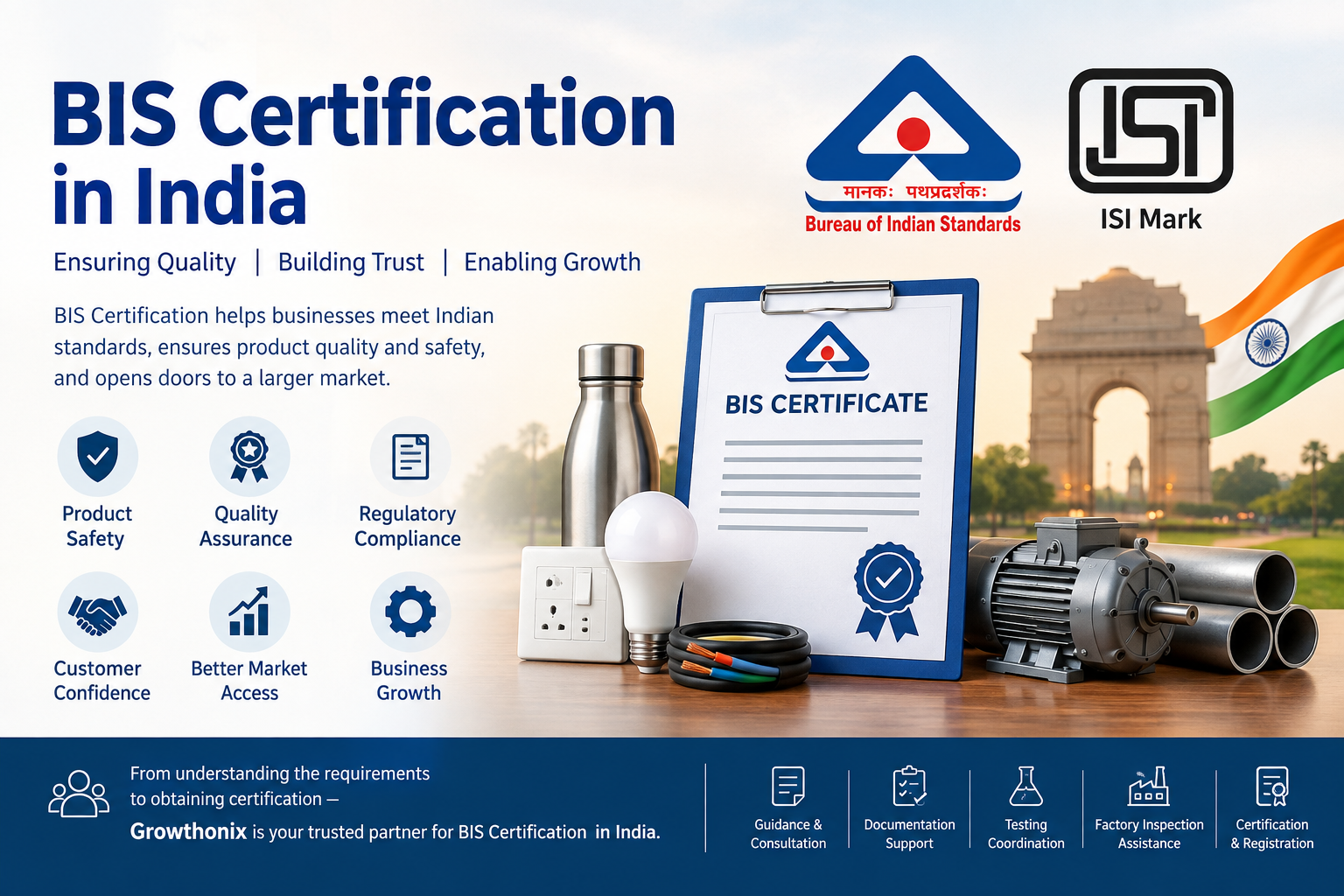
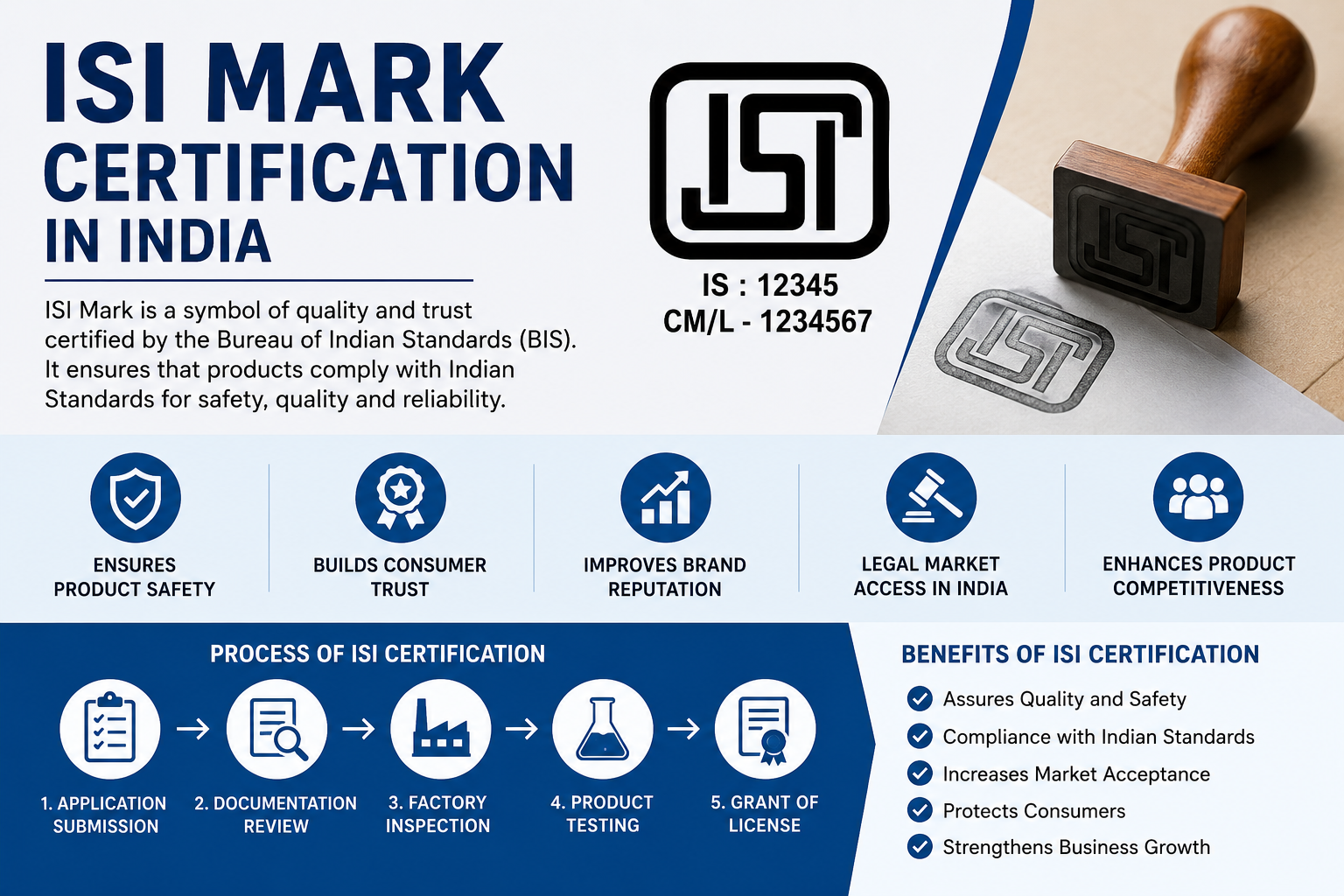
The QCO 2026 makes it mandatory for specified aluminium products to conform to Indian Standards (IS) and carry the BIS certification mark (ISI mark).
This ensures that only high-quality and standardized products are manufactured, sold, or distributed in the Indian market.
Key Highlights of the Order
1. Mandatory BIS Certification
All listed aluminium and aluminium alloy products must: Meet relevant Indian Standards (IS) and carry the ISI mark under BIS license
2. Wide Product Coverage
The order covers 17 major categories, including:
1. Aluminium alloy tubes (welded & extruded)
2. EC grade aluminium rods
3. Aluminium foil (pharmaceutical packaging)
4. Aluminium composite panels
5. Corrugated aluminium sheets
6. Aerospace forging materials
7. Bars, rods, plates, sheets, wires & sections
8. Electrical and engineering-grade aluminium products
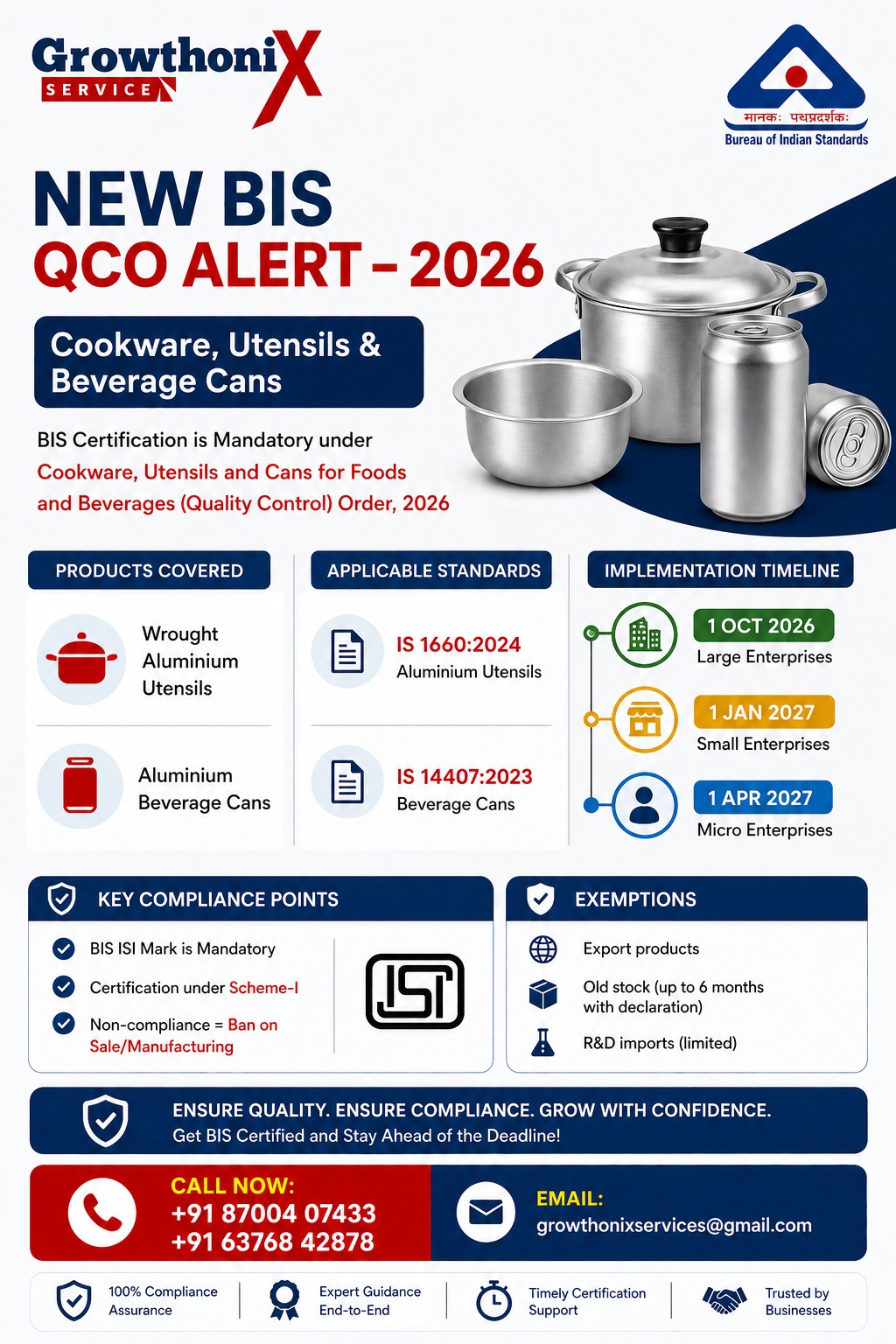
3. Implementation Timeline
Category Timeline
Selected products: immediate effect
General Enterprises, 1 December 2026
Small enterprises 1 March 2027
Micro enterprises 1 June 2027
This phased approach gives MSMEs additional time to comply.
4. Applicability*
Applies to:
Domestic manufacturers
Suppliers in Indian market
Exemptions :
Products manufactured for export
Imports up to 200 kg/year for R&D (with conditions)
5. Certification Authority
The Bureau of Indian Standards (BIS) is the:
Certification authority
Enforcement authority
6. Penalties for Non-Compliance
Failure to comply may result in:
Legal penalties under BIS Act, 2016
Restrictions on product sale
Business disruptions
Why This Order Matters
Ensures Product Quality: Standardized products reduce defects and enhance reliability.
Boosts Industry Credibility: Promotes trust among consumers, buyers, and global partners.
Strengthens Make in India: Encourages high-quality domestic manufacturing.
Impacts Supply Chains: Manufacturers, traders, and procurement teams must align with new standards.
Impact on Businesses
1. Manufacturers
Must obtain BIS certification
Upgrade quality control processes
Align production with IS standards
2. MSMEs
Get extended compliance deadlines
Need early preparation to avoid last-minute challenges
3. Importers & Traders
Must ensure sourced products are BIS compliant
Action Plan for Businesses
To stay compliant and avoid disruptions, businesses should:
1. Identify Applicable Standards* : Review which Indian Standards apply to your product category.
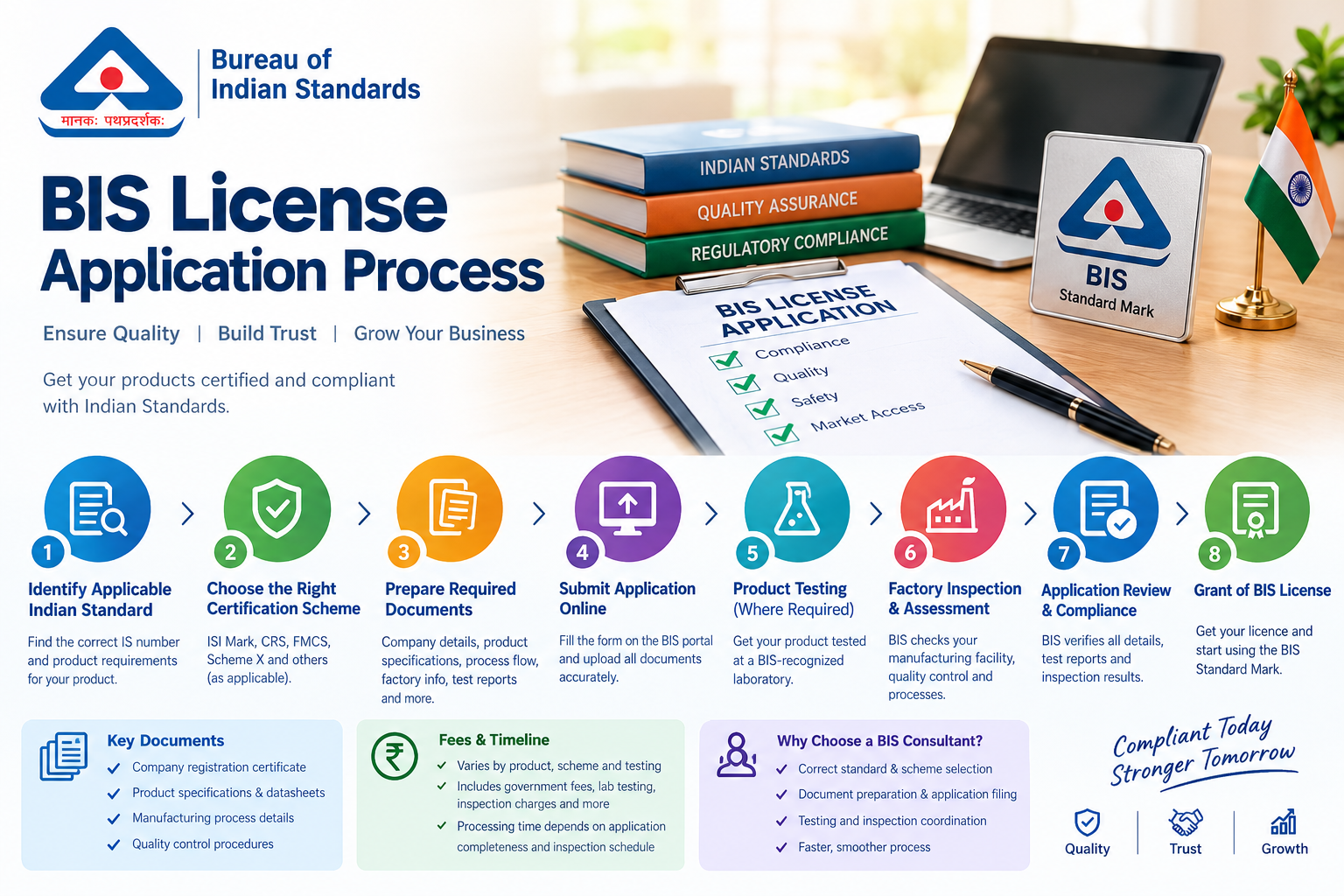
2. Apply for BIS Certification* : Start the certification process early to avoid delays.
3. Upgrade Quality Systems* : Ensure manufacturing and testing processes meet BIS requirements.
4. Maintain Documentation* : Keep proper records for audits and inspections.
5. Train Your Team* : Educate internal teams on compliance requirements and timelines.
How Growthonix Services Can Help
At Growthonix Services, we help businesses navigate complex regulatory requirements with ease.
Our Services Include:
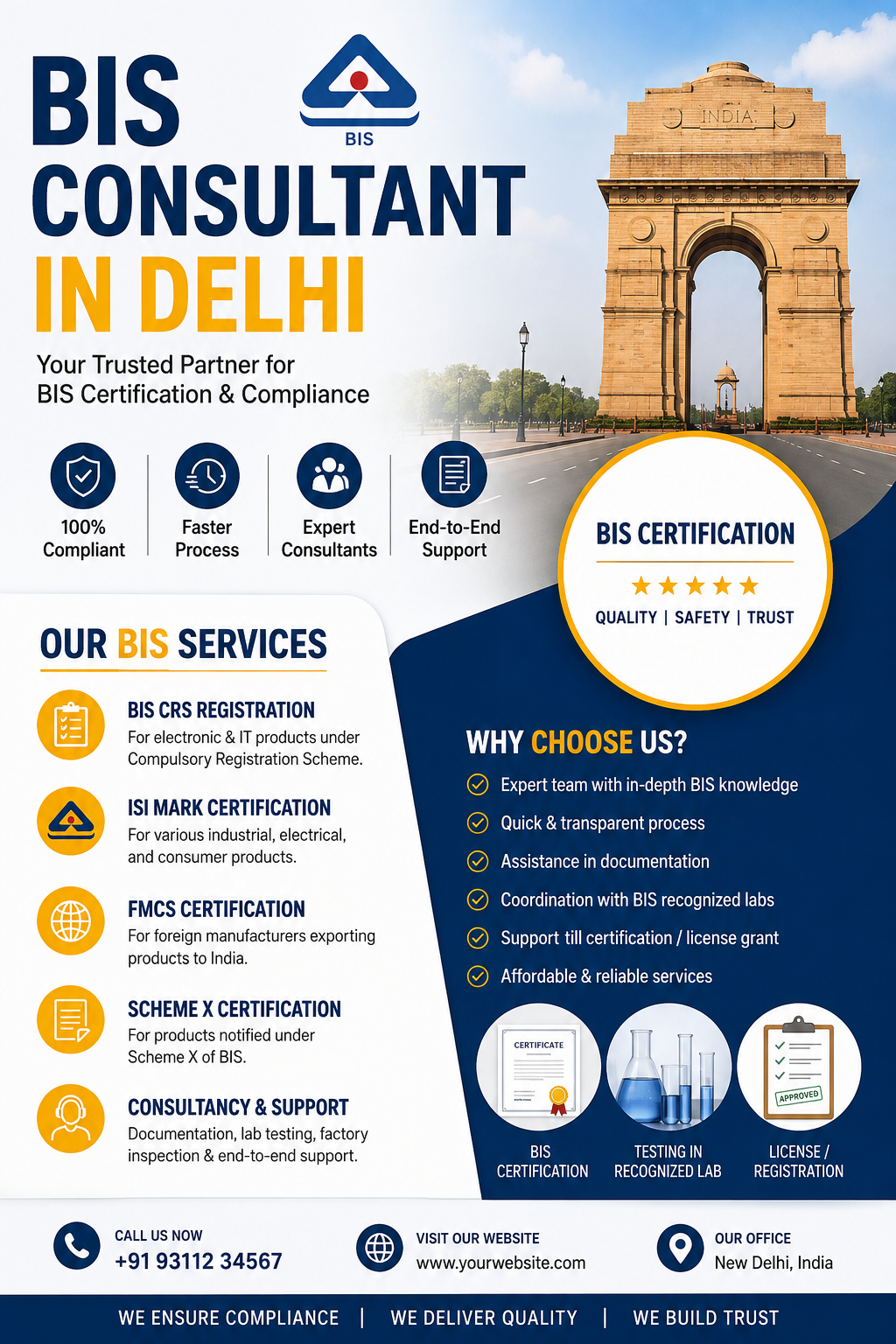
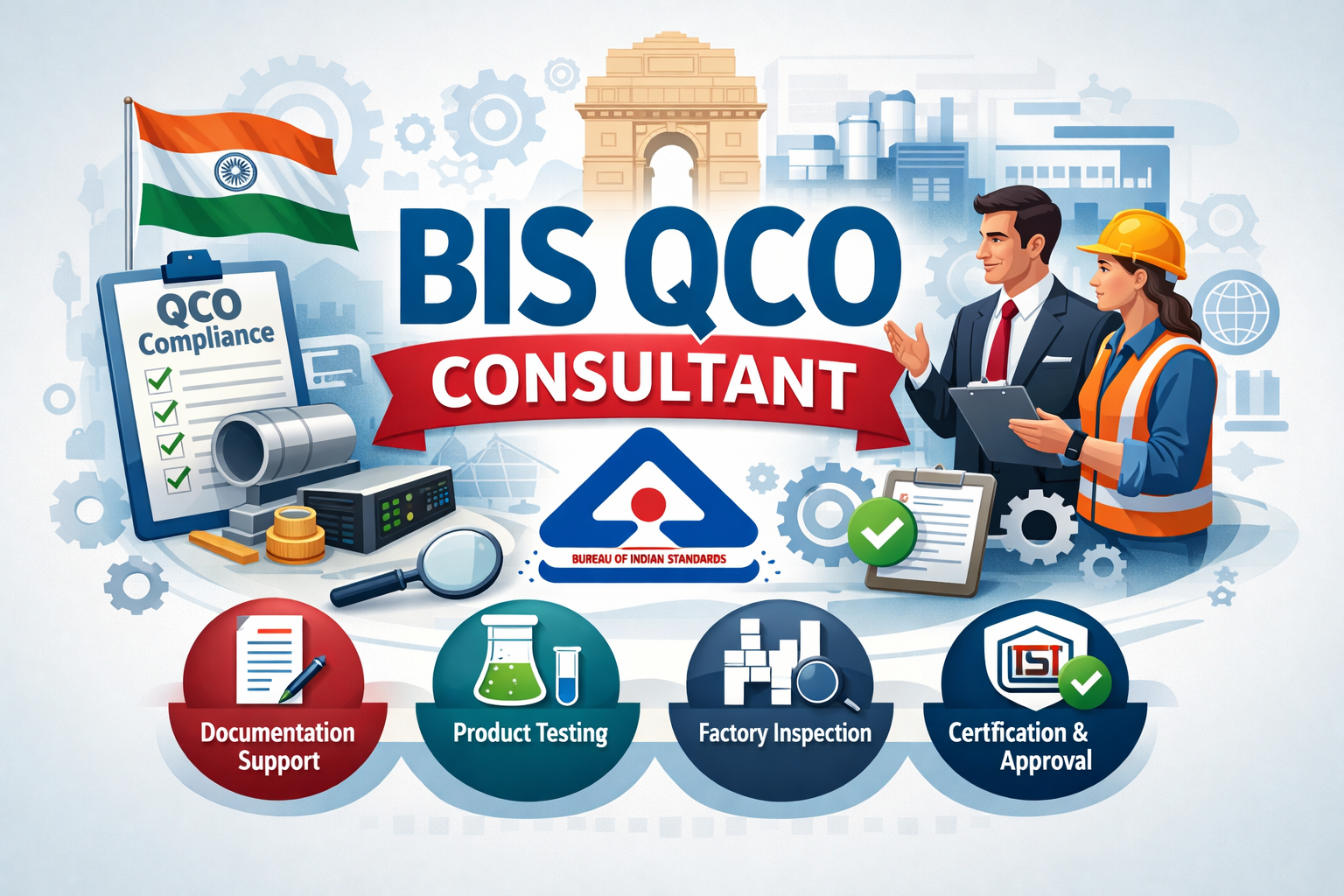
BIS Certification Assistance
Documentation & Compliance Support
Product Testing Coordination
End-to-End Regulatory Consulting
Conclusion
The Aluminium QCO 2026 is a major regulatory shift that will reshape the aluminium industry in India. While it introduces stricter compliance, it also opens doors for higher quality, better market credibility, and global competitiveness.
Businesses that act early will not only avoid penalties but also gain a strong competitive advantage.