BIS Certification for IS 302
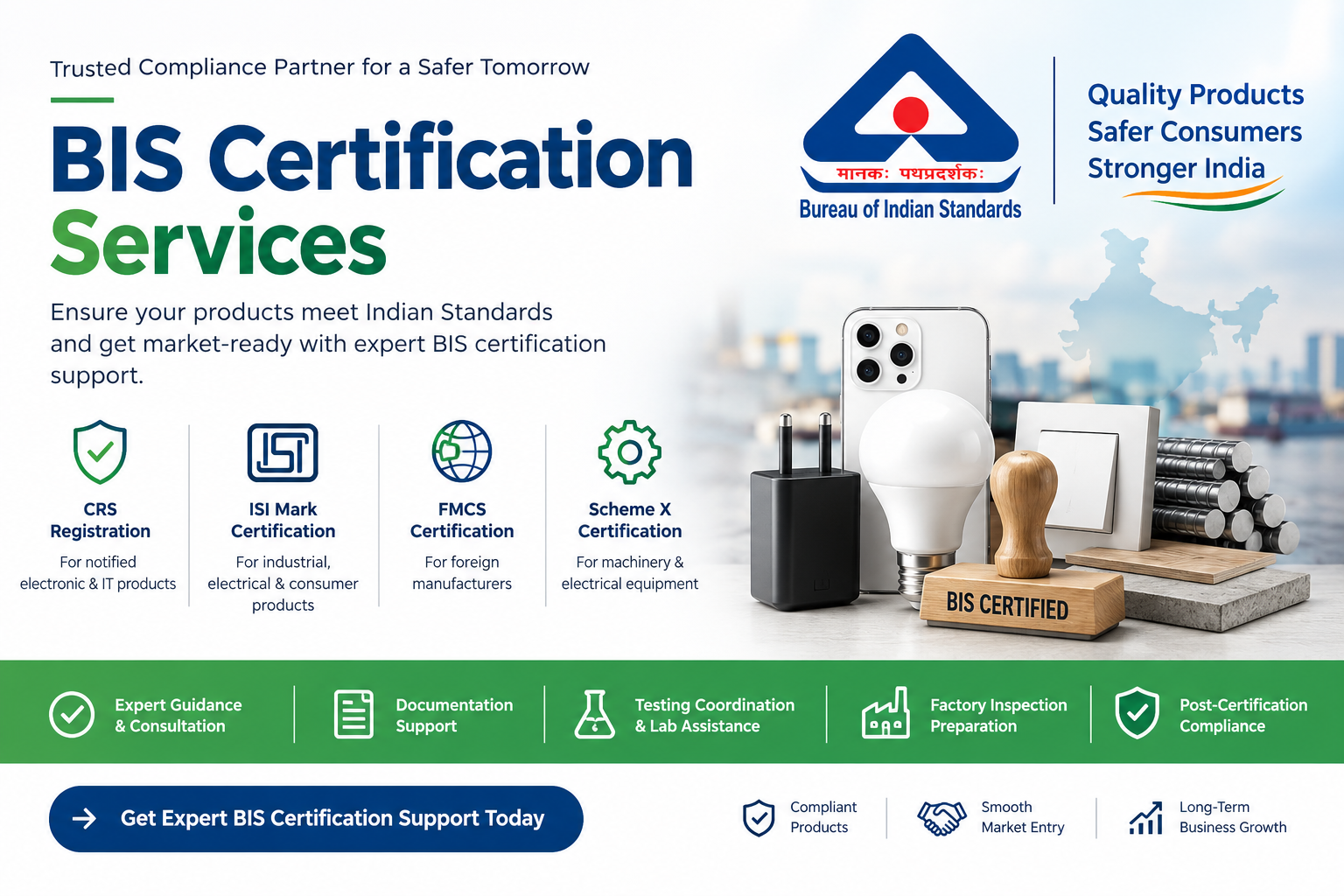
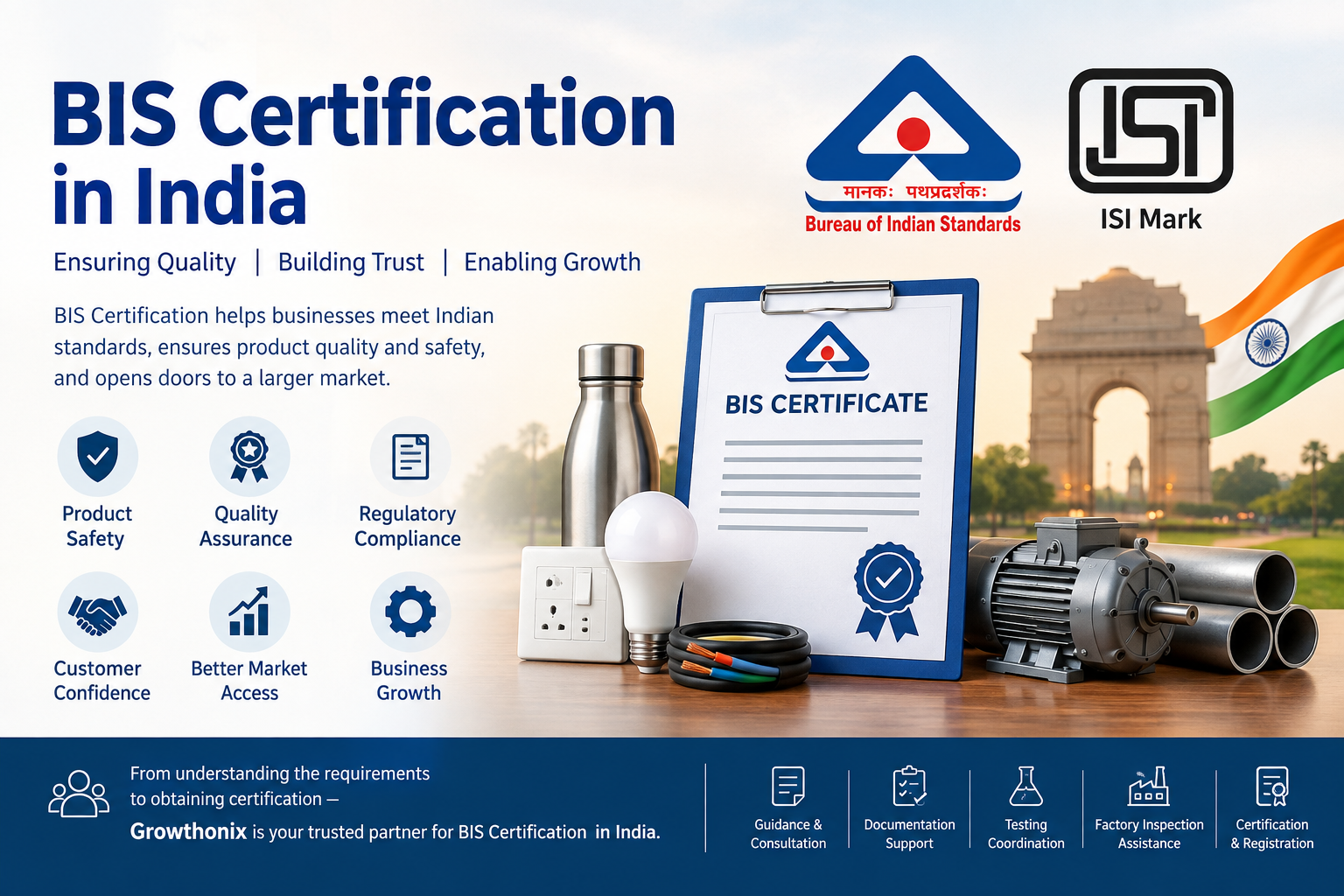
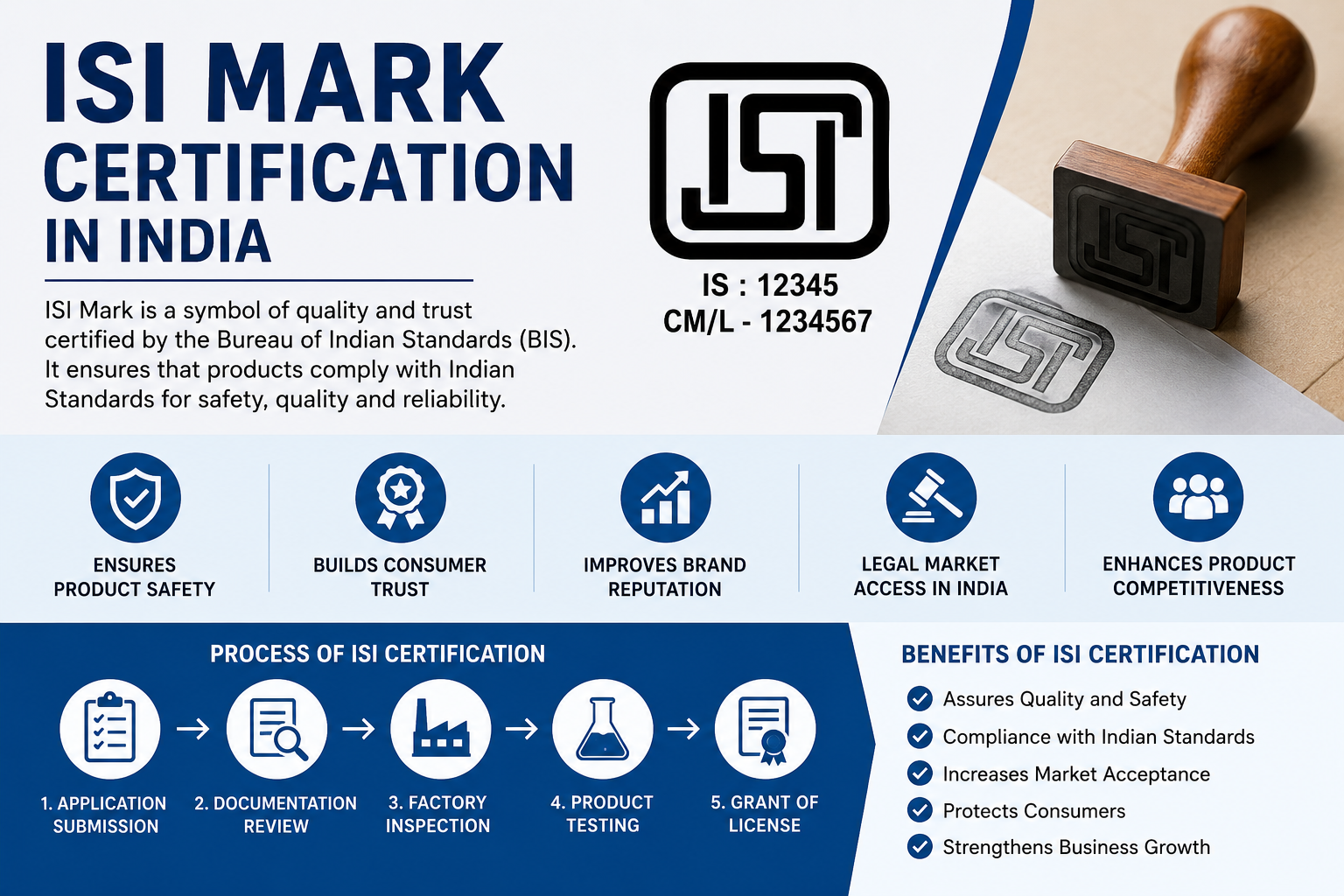
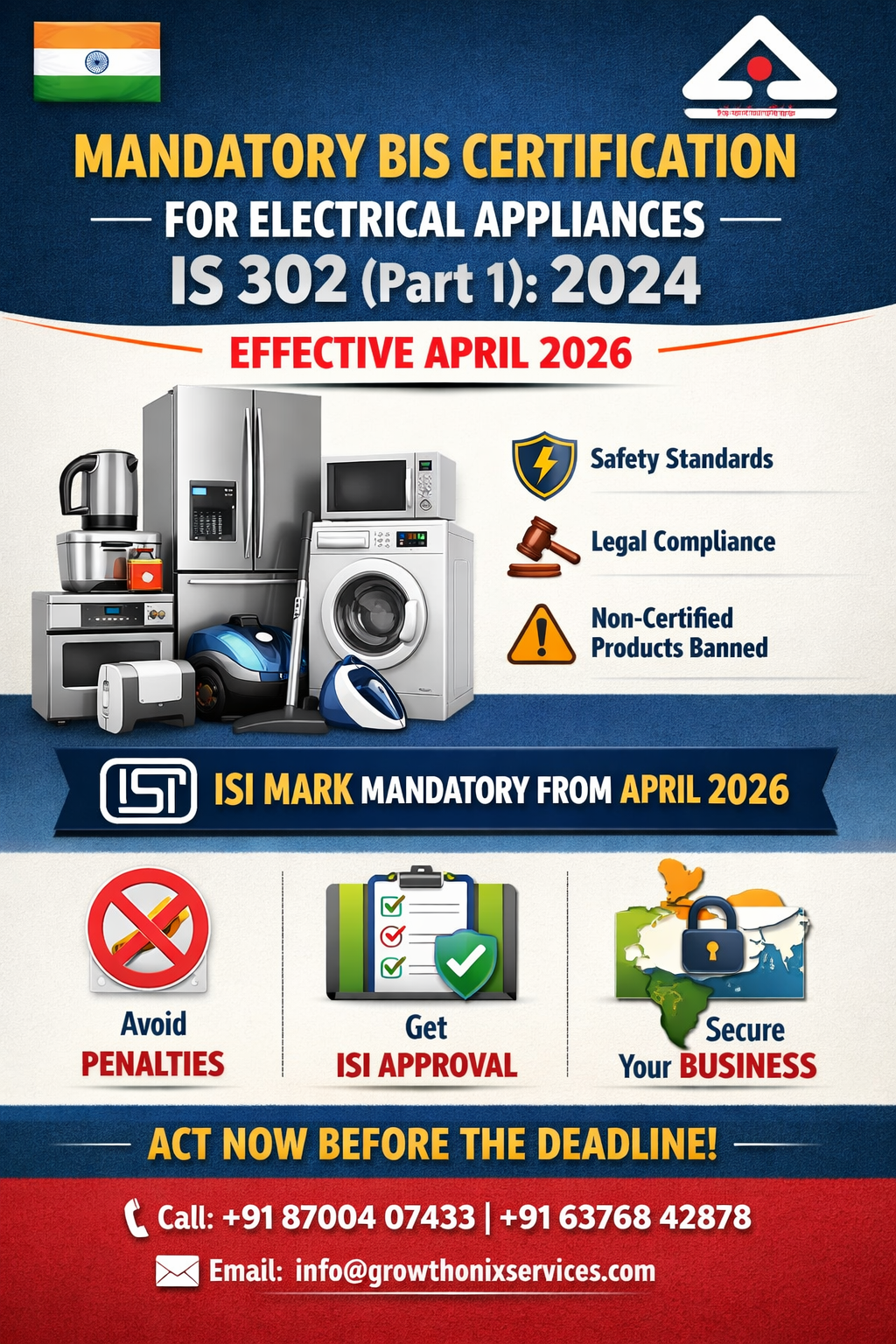
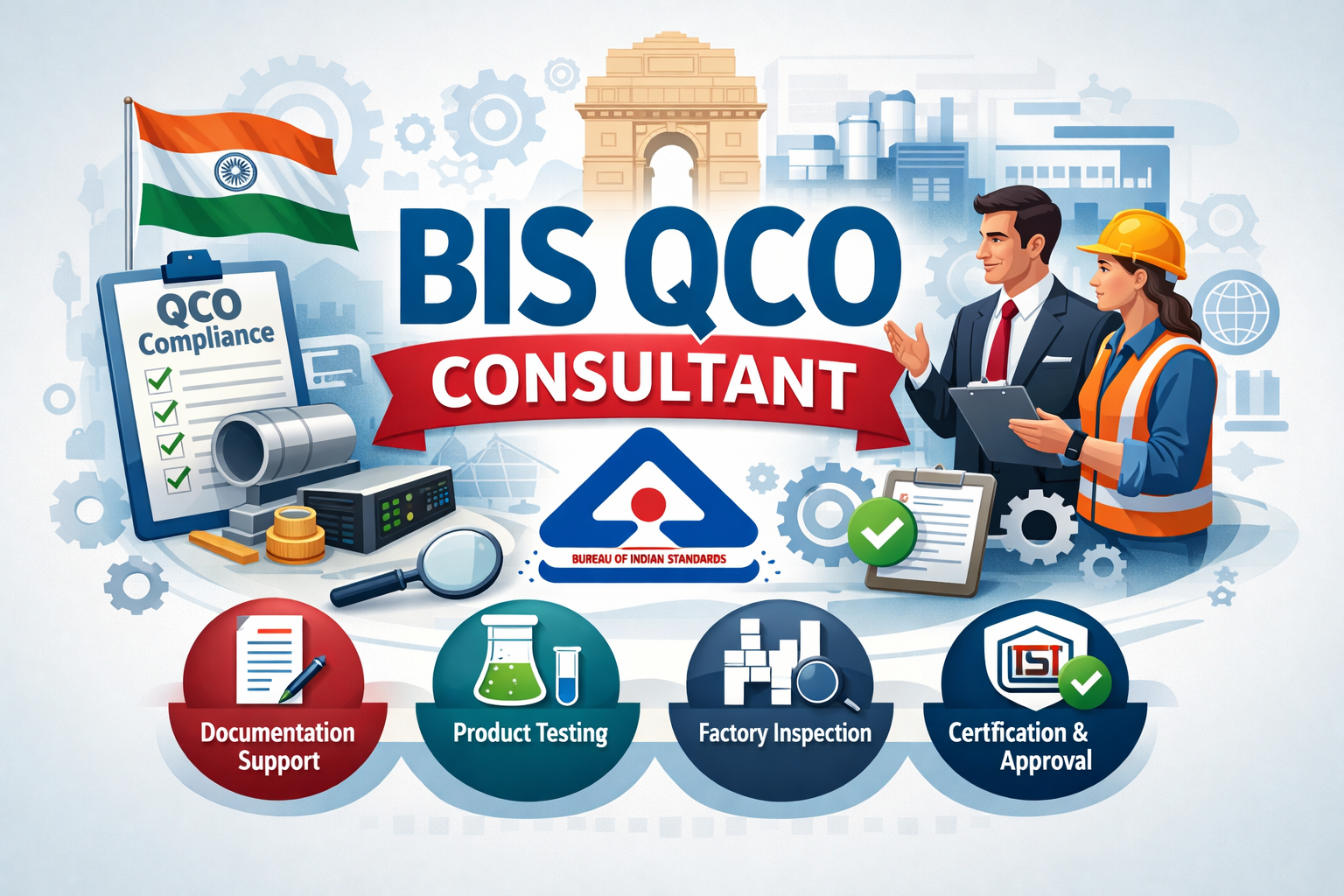
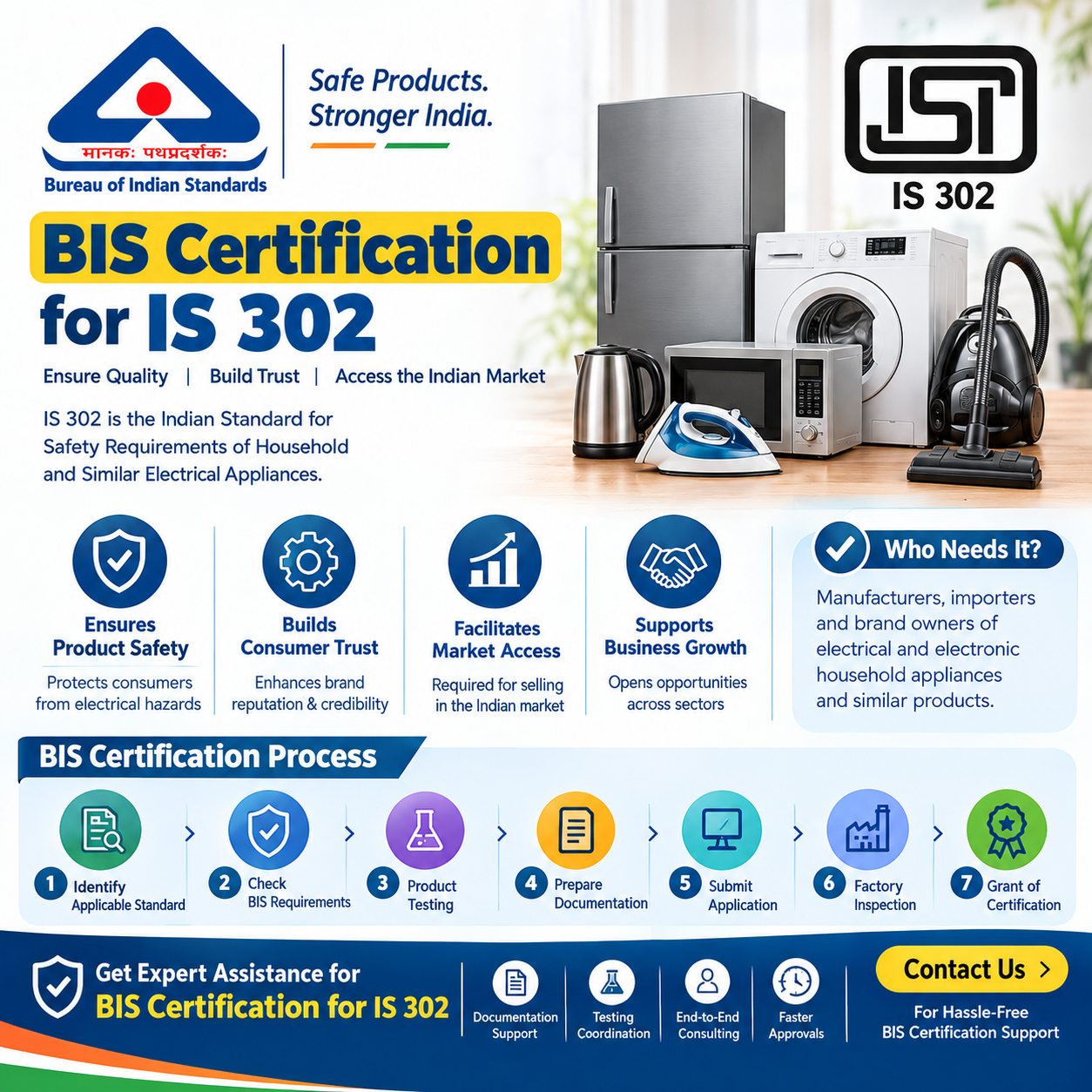
BIS Certification for IS 302 is an important compliance requirement for manufacturers of electrical and electronic appliances covered under the applicable Indian Standard. The IS 302 series specifies safety requirements for household and similar electrical appliances and helps ensure that products meet prescribed requirements relating to electrical safety, construction, protection against hazards, heating, insulation, mechanical strength, and other relevant characteristics. Manufacturers supplying applicable products in the Indian market need to determine the correct Indian Standard, applicable product category, and BIS certification requirements before manufacturing, importing, selling, or distributing the product. The IS 302 series includes a general safety standard together with product-specific parts. Therefore, identifying the correct part of the standard is an essential first step in the BIS certification process. IS 302 is a family of Indian Standards dealing with the safety of household and similar electrical appliances. The general requirements are covered under IS 302 Part 1, while individual appliance categories can have specific requirements under corresponding particular standards. The standard addresses important safety aspects of electrical appliances, helping manufacturers design and manufacture products that reduce risks such as electric shock, excessive temperature, fire, mechanical hazards, abnormal operation, and insulation failure. For manufacturers, compliance with the applicable version of IS 302 is important because BIS certification is based on the requirements applicable to the specific product and certification scope. The updated IS 302 Part 1:2024 is an important development for manufacturers of household and similar electrical appliances. Businesses need to evaluate whether their existing products, testing arrangements, documentation, and BIS licence scope require updates in accordance with the applicable transition requirements. The revised standard may introduce updated technical requirements, testing provisions, definitions, and other changes relevant to electrical appliance safety. Manufacturers should therefore not assume that compliance with an older version automatically means compliance with the latest applicable requirements. A gap assessment against the current standard can help identify whether additional testing, documentation, or product modifications are required. IS 302 Part 1 provides general safety requirements applicable to household and similar electrical appliances. Depending on the product, a corresponding particular requirement standard may also apply. Examples of appliance categories that may fall within the broader IS 302 framework include: Household electrical appliances Kitchen and cooking appliances Heating appliances Motor-operated appliances Refrigeration-related appliances Cleaning appliances Personal-care electrical appliances Small domestic appliances Other household and similar electrical equipment The exact BIS requirements depend on the product, its construction, electrical characteristics, intended use, and applicable particular standard. BIS Certification helps manufacturers demonstrate conformity with applicable Indian Standards. For products subject to mandatory BIS requirements, obtaining the appropriate certification is essential for regulatory compliance. Major benefits include: IS 302 focuses heavily on safety requirements. Compliance helps reduce risks associated with electric shock, fire, overheating, insulation failure, and other hazards. Where a product is covered under mandatory BIS certification requirements, manufacturers must meet the applicable regulatory requirements before placing the product on the Indian market. BIS certification can help establish confidence that the product has been evaluated against recognized Indian safety requirements. Compliance with applicable BIS requirements can support market access and commercial acceptance of electrical appliances in India. The certification process encourages manufacturers to maintain consistent manufacturing, inspection, testing, and quality-control procedures. The BIS certification process depends on the product and applicable conformity assessment scheme. A typical process may include the following steps. The first step is to determine which part of the IS 302 series applies to the product. Manufacturers need to identify both the general requirements and any applicable particular requirements. The product's electrical ratings, construction, components, materials, functions, intended use, and other technical characteristics should be reviewed. The product is tested according to the applicable requirements. Testing may cover areas such as: Protection against electric shock Power input and current Temperature rise Leakage current Electric strength Moisture resistance Abnormal operation Mechanical strength Construction Internal wiring Components Earthing provisions Insulation requirements Resistance to heat and fire The exact tests depend on the product and applicable standard. The manufacturer generally needs to prepare appropriate technical and manufacturing documentation. This can include product specifications, circuit diagrams, component details, drawings, manufacturing information, test reports, quality-control details, machinery information, and other documents required under the applicable BIS process. The application is submitted through the applicable BIS certification procedure along with the required documents, test reports, fees, and declarations. Where required under the applicable certification scheme, BIS may assess the manufacturing facility. The assessment can cover production processes, quality-control systems, testing facilities, raw materials, product inspection, and manufacturing arrangements. If BIS identifies any non-conformity or requires additional information, the manufacturer must provide suitable clarification or corrective action. After successful completion of the applicable requirements, BIS may grant the licence with a defined product scope. The manufacturer must continue to comply with the applicable standard and certification conditions. The documentation depends on the product and certification scheme. Common information may include: Manufacturer details Factory address Product technical specifications Circuit diagrams Product drawings Bill of materials Component details Test reports Manufacturing process information Quality-control plan Testing equipment details Calibration certificates Factory layout Machinery details Raw-material specifications Authorization documents Applicable declarations and undertakings Accurate documentation is important because information provided in the application should correspond with the actual product and manufacturing facility. Testing is a critical part of BIS Certification for IS 302. Electrical appliances can present different safety risks depending on their design and intended use. Testing may evaluate electrical insulation, protection against shock, temperature rise, abnormal conditions, mechanical strength, moisture resistance, earthing, leakage current, and resistance to heat and fire. For products covered by a particular requirement standard, additional tests may apply. Therefore, manufacturers should establish the complete test requirement before submitting samples. Manufacturers already holding BIS certification for products covered under an earlier version should carefully review the applicability of IS 302 Part 1:2024 and the relevant BIS transition instructions. A transition may require changes to: Product testing Test reports Technical documentation Product design Components Labelling BIS licence scope Quality-control procedures The exact implementation requirements depend on the product and BIS instructions applicable to the relevant standard. A BIS consultant can assist manufacturers throughout the certification process. Consultancy support may include identifying the applicable IS 302 standard, reviewing product specifications, coordinating testing, preparing documentation, assisting with application submission, supporting factory assessment, and responding to BIS observations. For manufacturers introducing electrical appliances into the Indian market, professional assistance can help reduce documentation errors and improve coordination between the manufacturer, testing laboratory, and BIS. BIS Certification for IS 302 plays an important role in ensuring the safety and conformity of household and similar electrical appliances. Manufacturers need to identify the correct IS 302 part, understand the applicable testing requirements, prepare accurate technical documentation, and follow the relevant BIS certification procedure. With the updated IS 302 Part 1:2024, manufacturers should also review their existing compliance status and determine whether their products, test reports, documentation, or BIS licence scope need to be updated. Proper planning and technical assessment can help manufacturers achieve BIS compliance efficiently while maintaining product quality, safety, and regulatory readiness. IS 302 is a series of Indian Standards specifying safety requirements for household and similar electrical appliances. IS 302 Part 1:2024 provides general safety requirements for household and similar electrical appliances and forms the basis for evaluating applicable products along with relevant particular requirements. It depends on the specific product and applicable government notification or Quality Control Order. Manufacturers should verify the current mandatory requirements for their product. Testing depends on the appliance. It can include electrical strength, leakage current, temperature rise, insulation, mechanical strength, abnormal operation, earthing, and other safety tests. Manufacturers should check the applicable BIS transition requirements and determine whether their licence, test reports, product scope, or documentation need updating. Yes. A BIS consultant can assist with standard identification, testing coordination, documentation, application procedures, factory assessment support, and compliance-related queries. IS 302 compliance helps address important electrical and mechanical safety risks and supports conformity with applicable Indian regulatory requirements.What is IS 302?
IS 302 Part 1:2024
Products Covered Under IS 302
Why is BIS Certification for IS 302 Important?
Product Safety
Regulatory Compliance
Consumer Confidence
Market Acceptance
Quality Assurance
BIS Certification Process for IS 302
1. Identify the Applicable Product Standard
2. Review Product Specifications
3. Product Testing
4. Prepare Technical Documentation
5. Submit BIS Application
6. Factory Assessment
7. Address Observations
8. Grant of BIS Licence
Documents Required for BIS Certification
Testing Requirements Under IS 302
IS 302 Part 1:2024 Transition and Compliance
Role of a BIS Consultant for IS 302
Conclusion
Frequently Asked Questions
1. What is IS 302?
2. What is IS 302 Part 1:2024?
3. Is BIS Certification mandatory for products under IS 302?
4. What tests are required for IS 302 certification?
5. Can an existing BIS licence continue after the introduction of IS 302 Part 1:2024?
6. Can a BIS consultant help with IS 302 certification?
7. Why is IS 302 compliance important?