BIS Certification Services in India
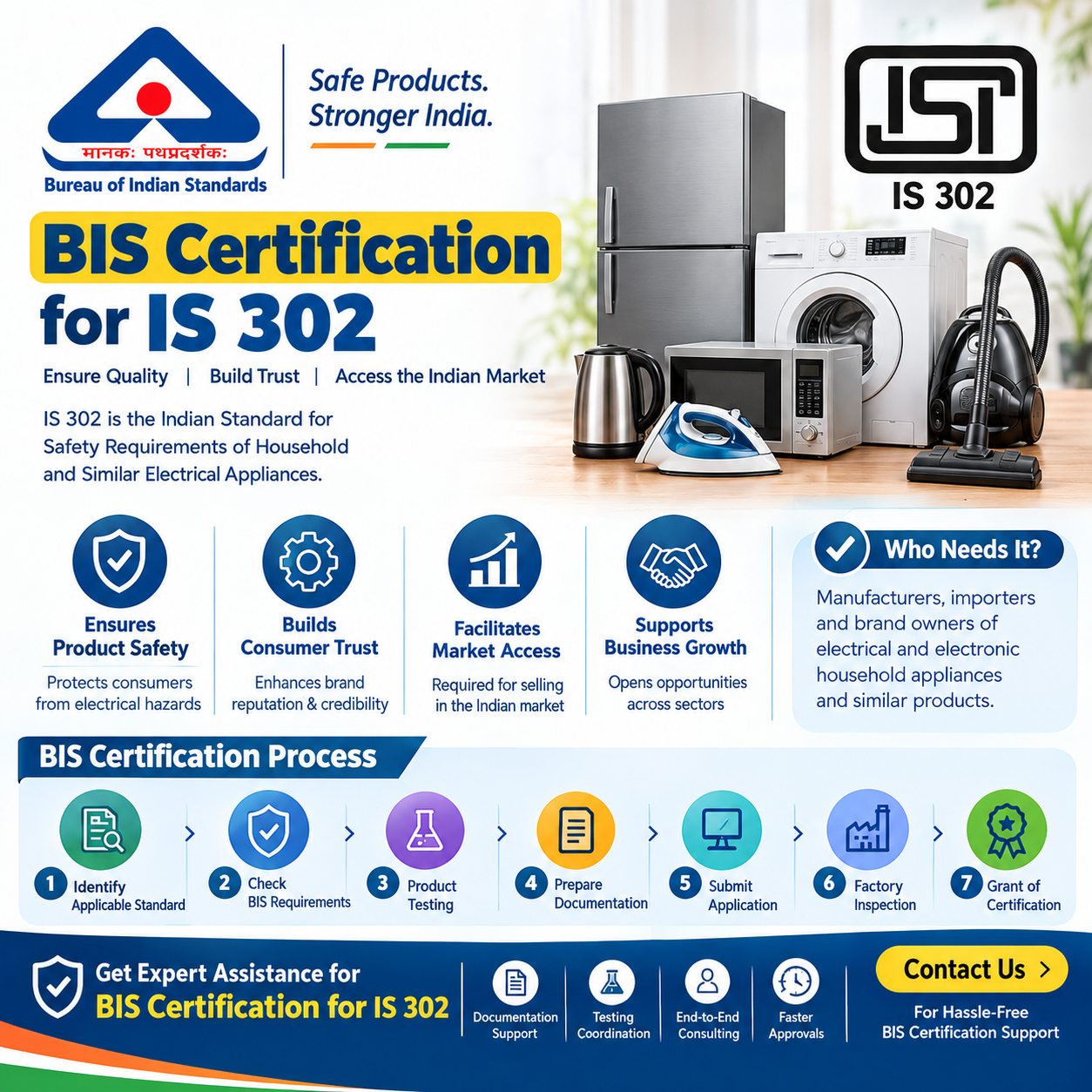
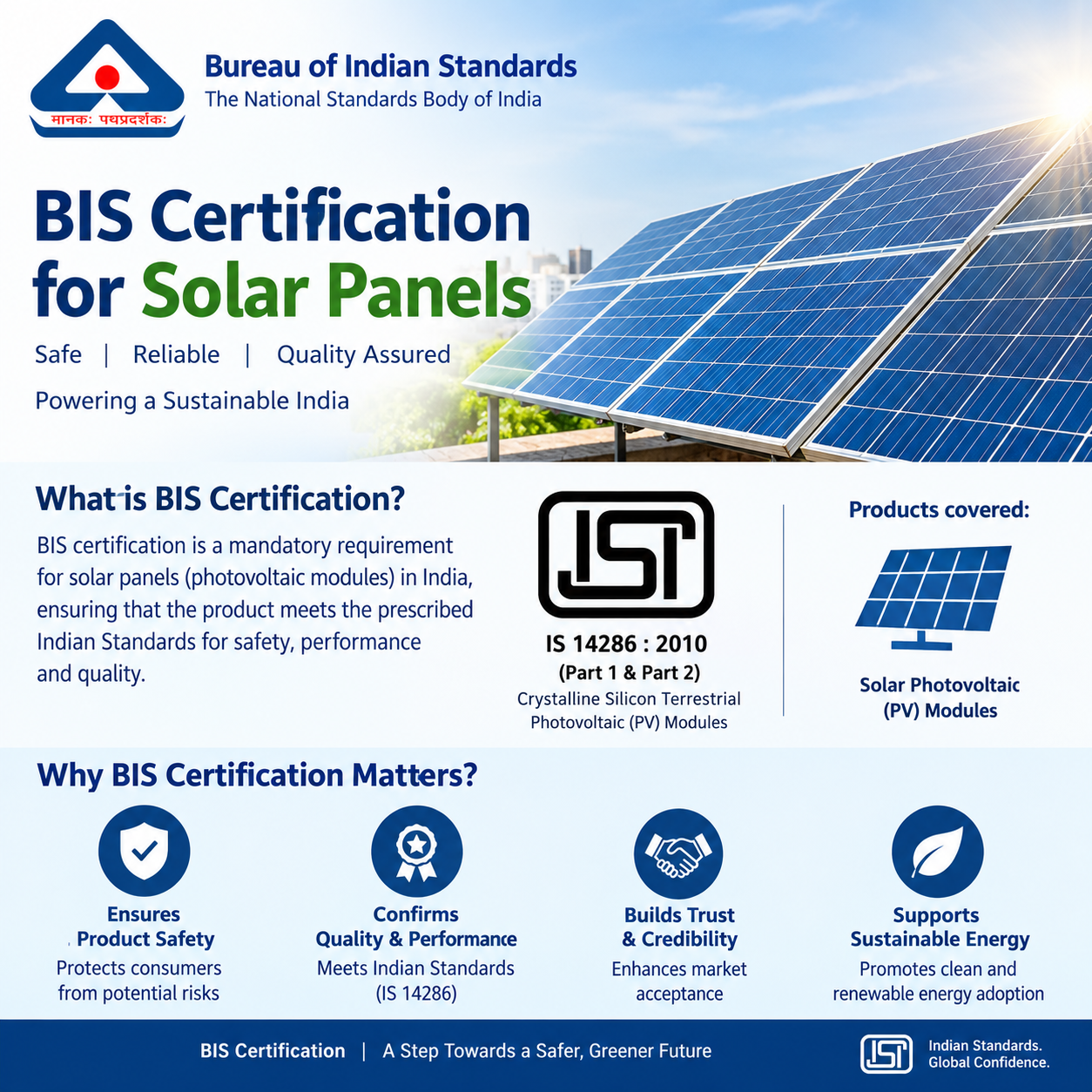
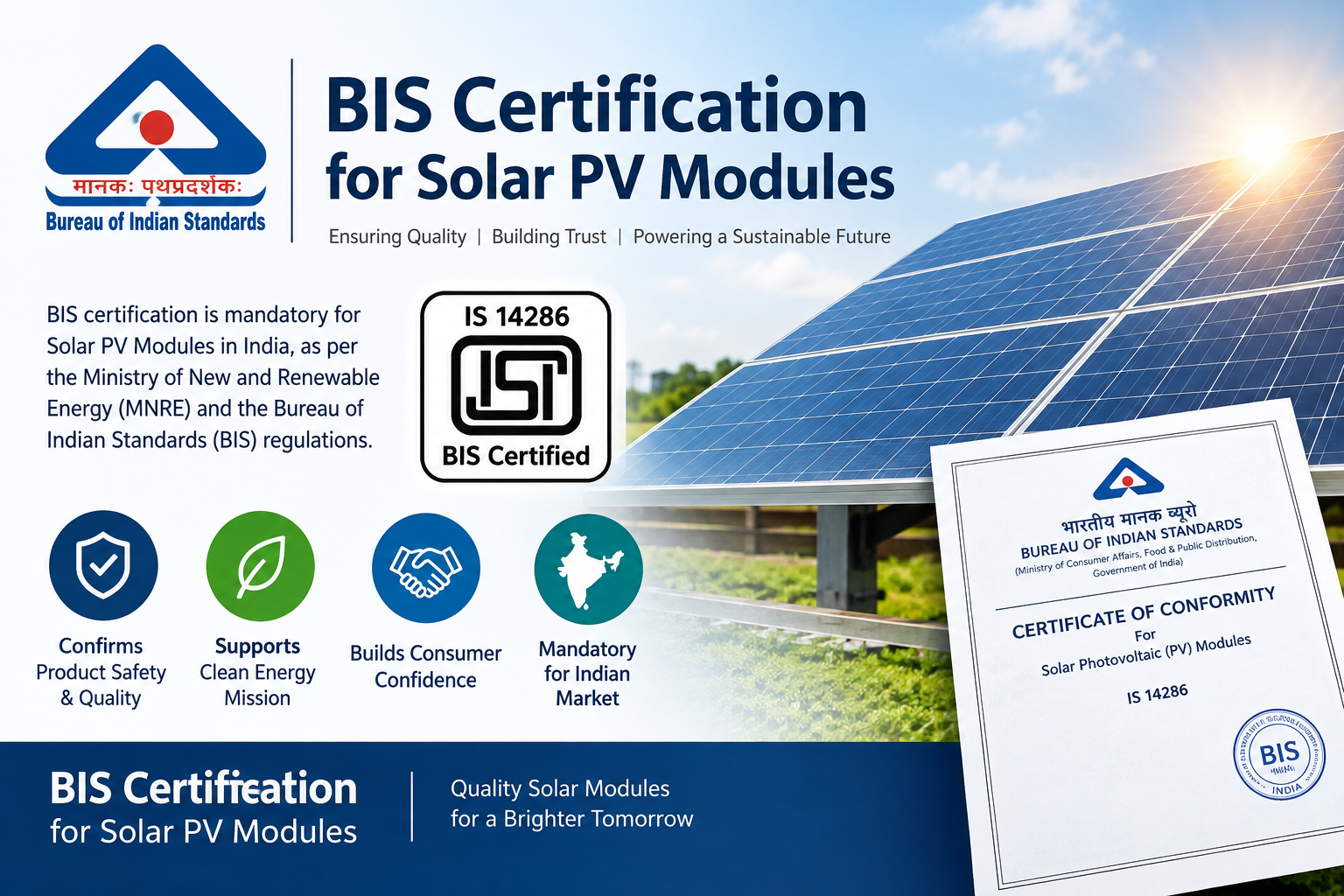
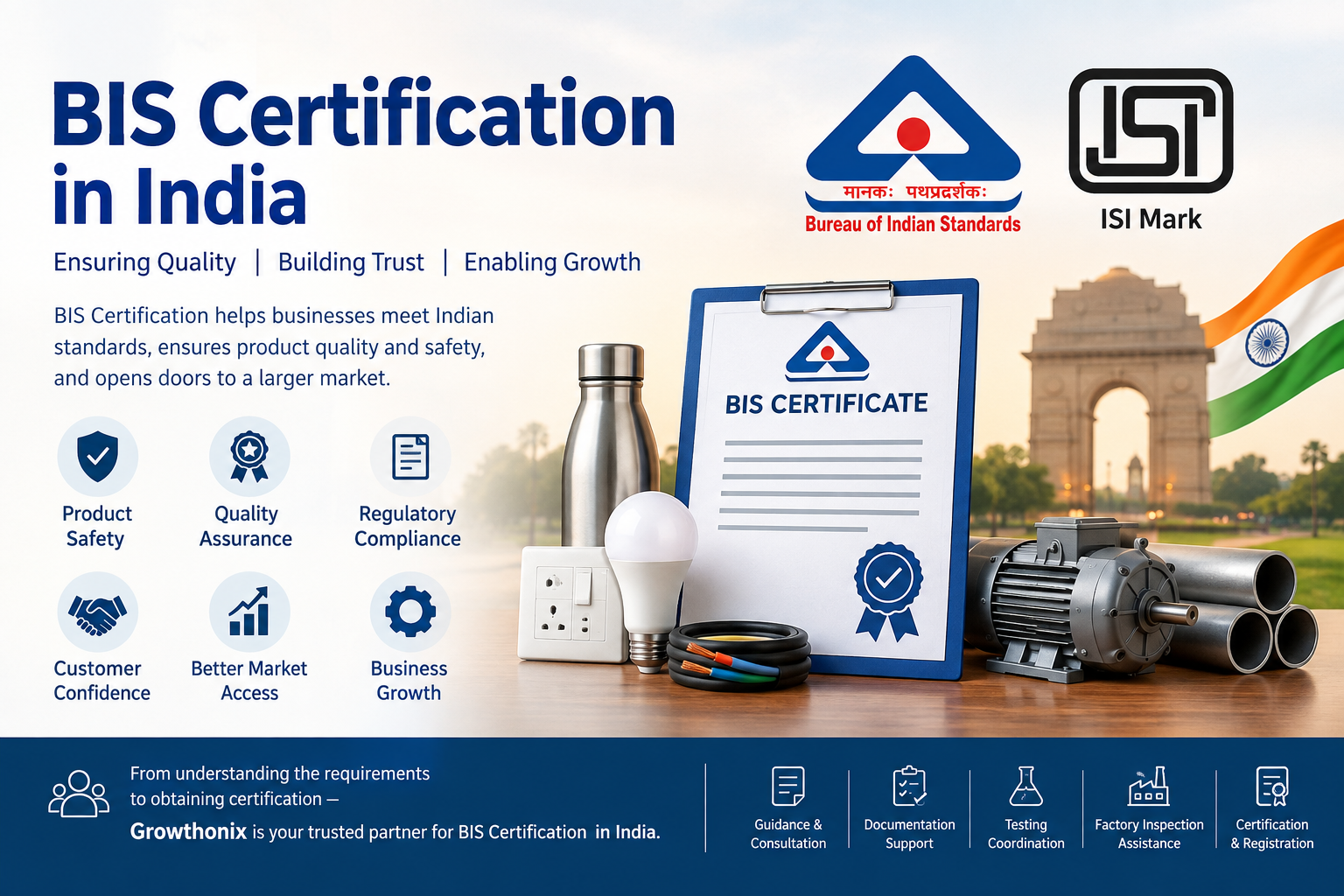
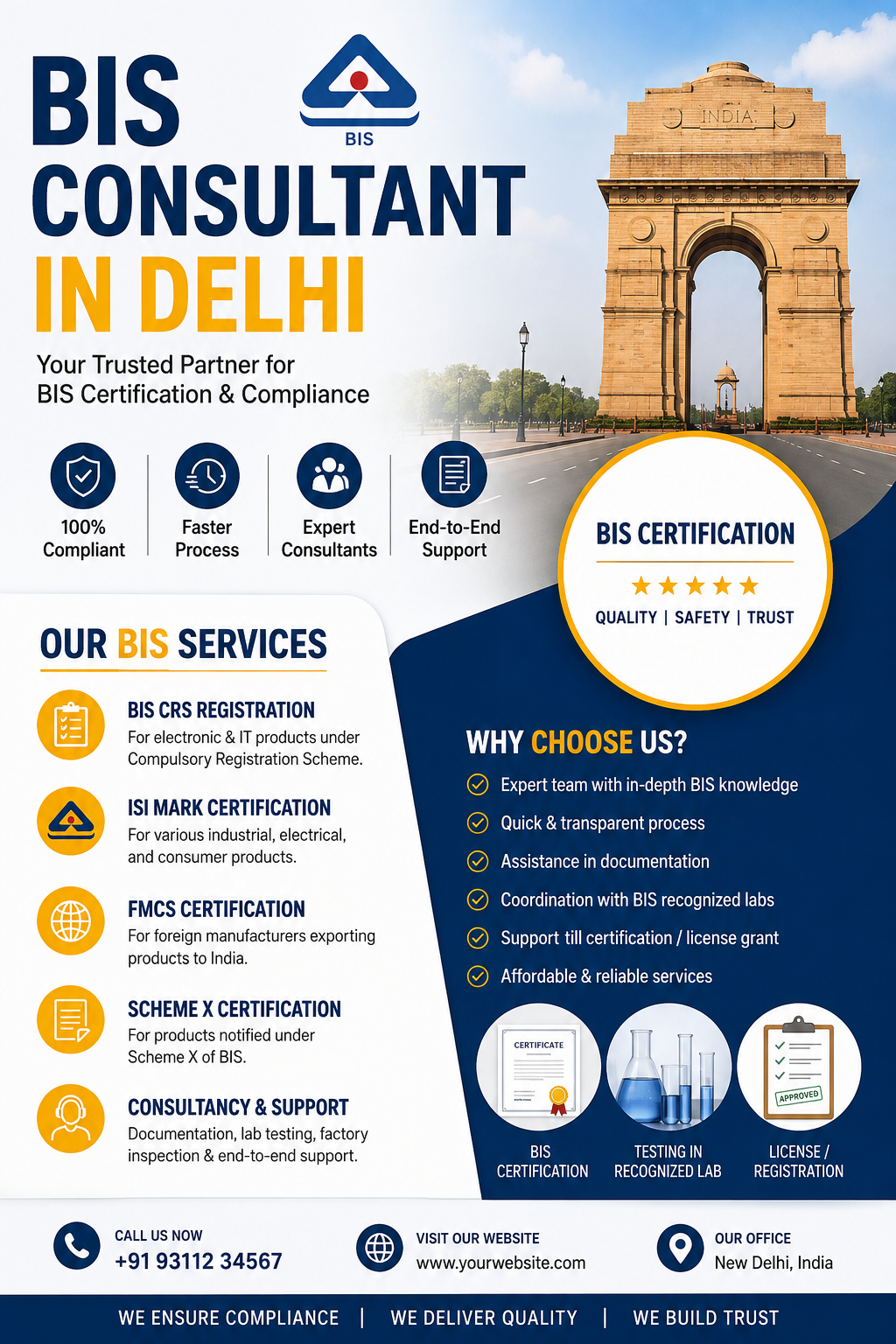
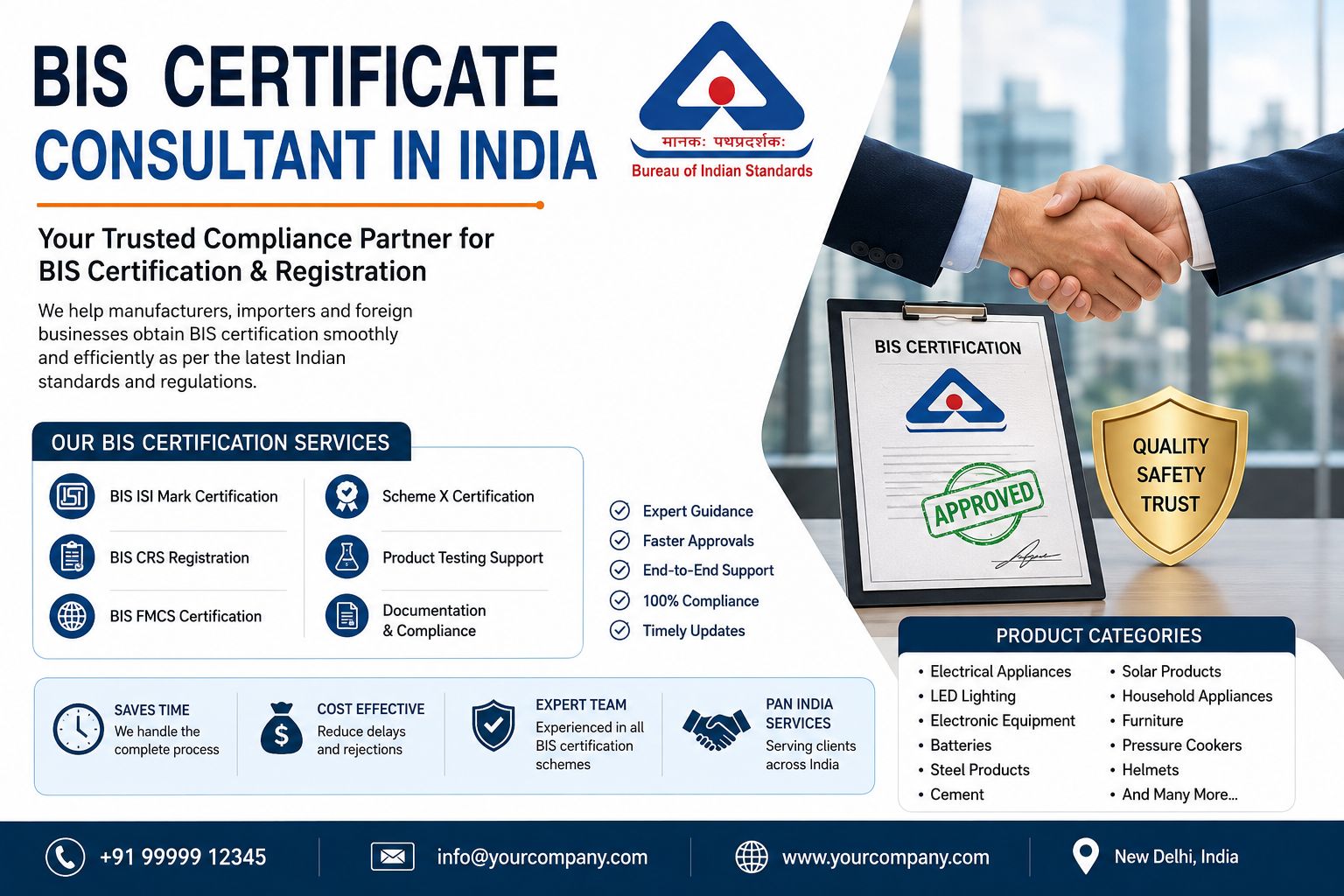
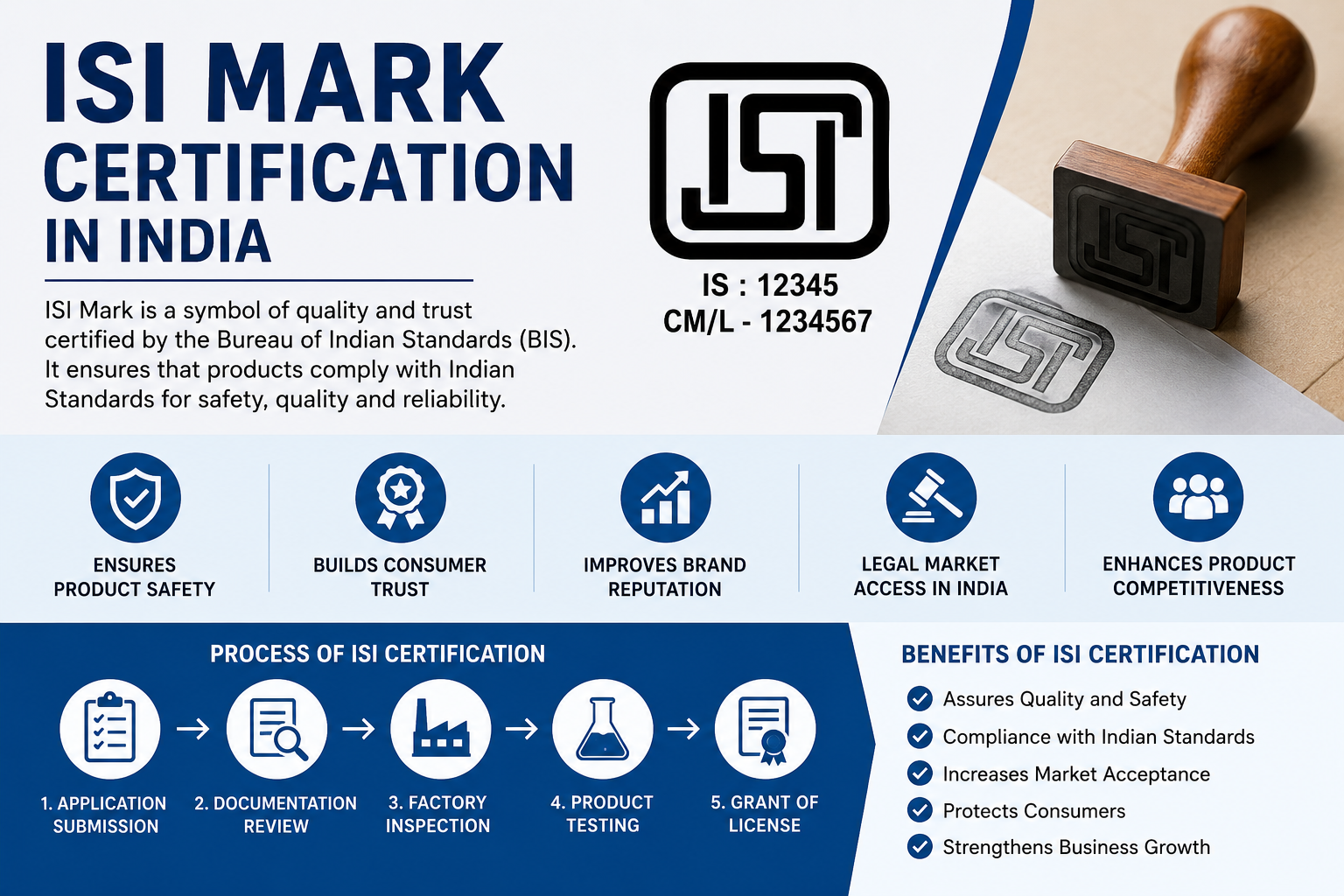
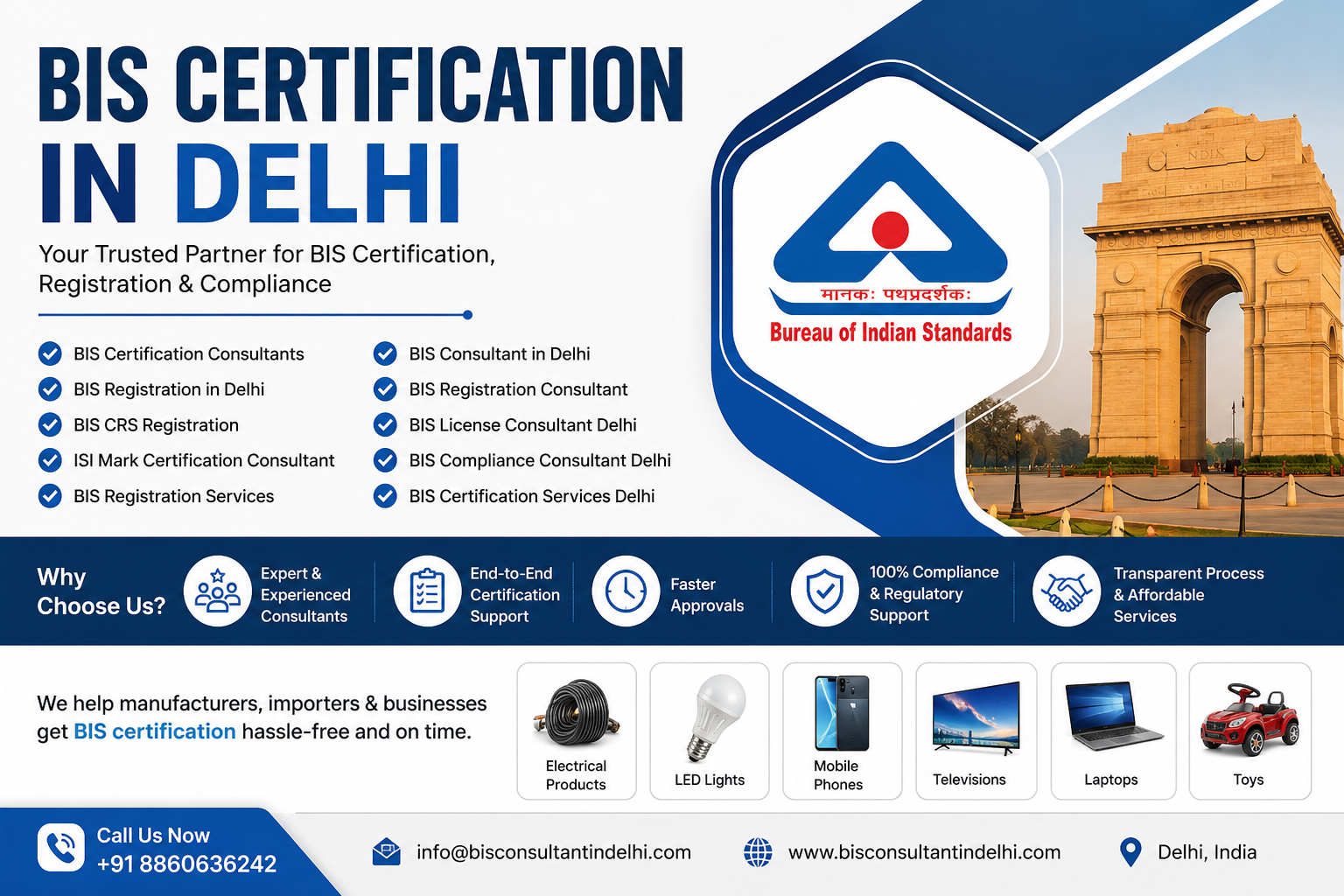
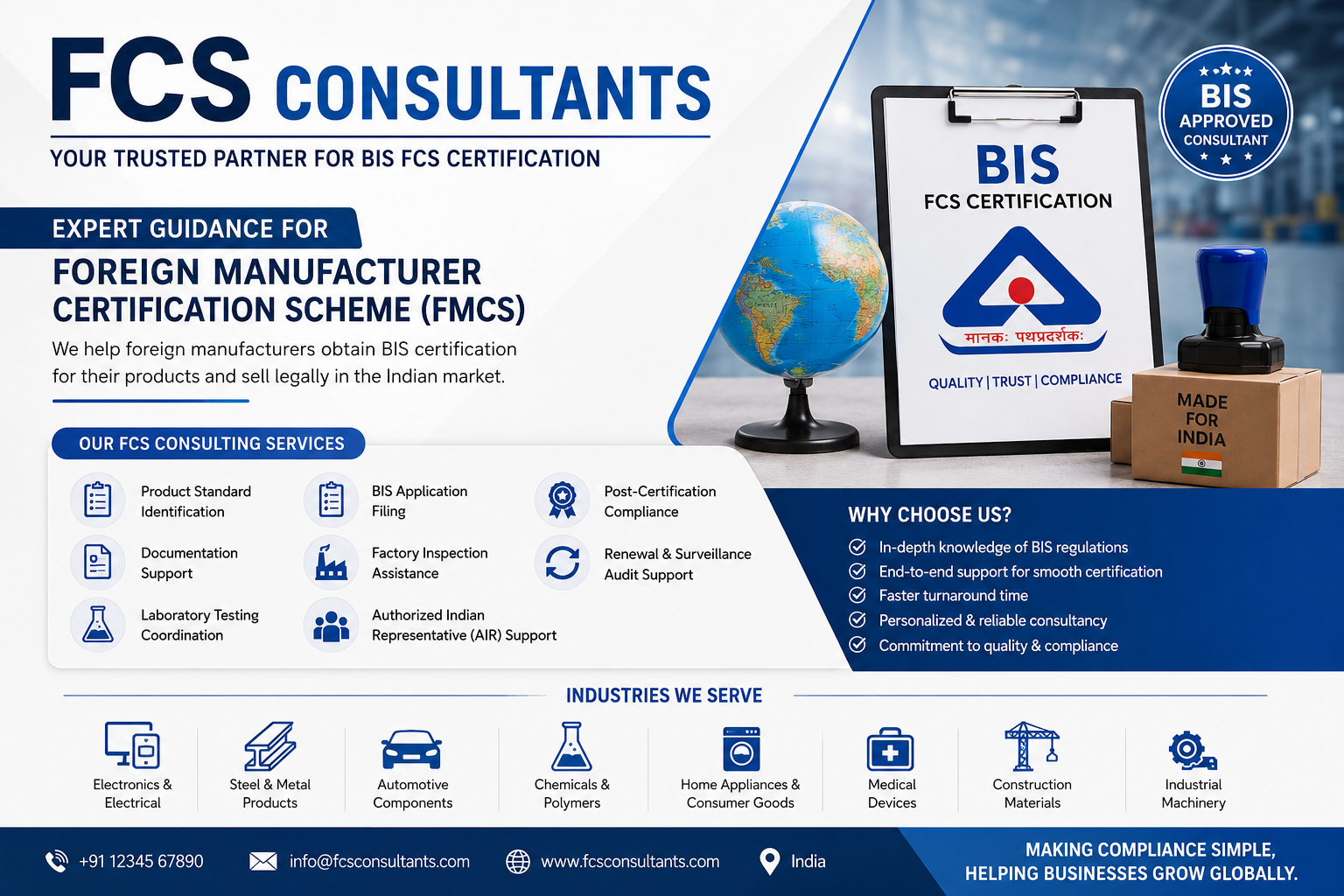
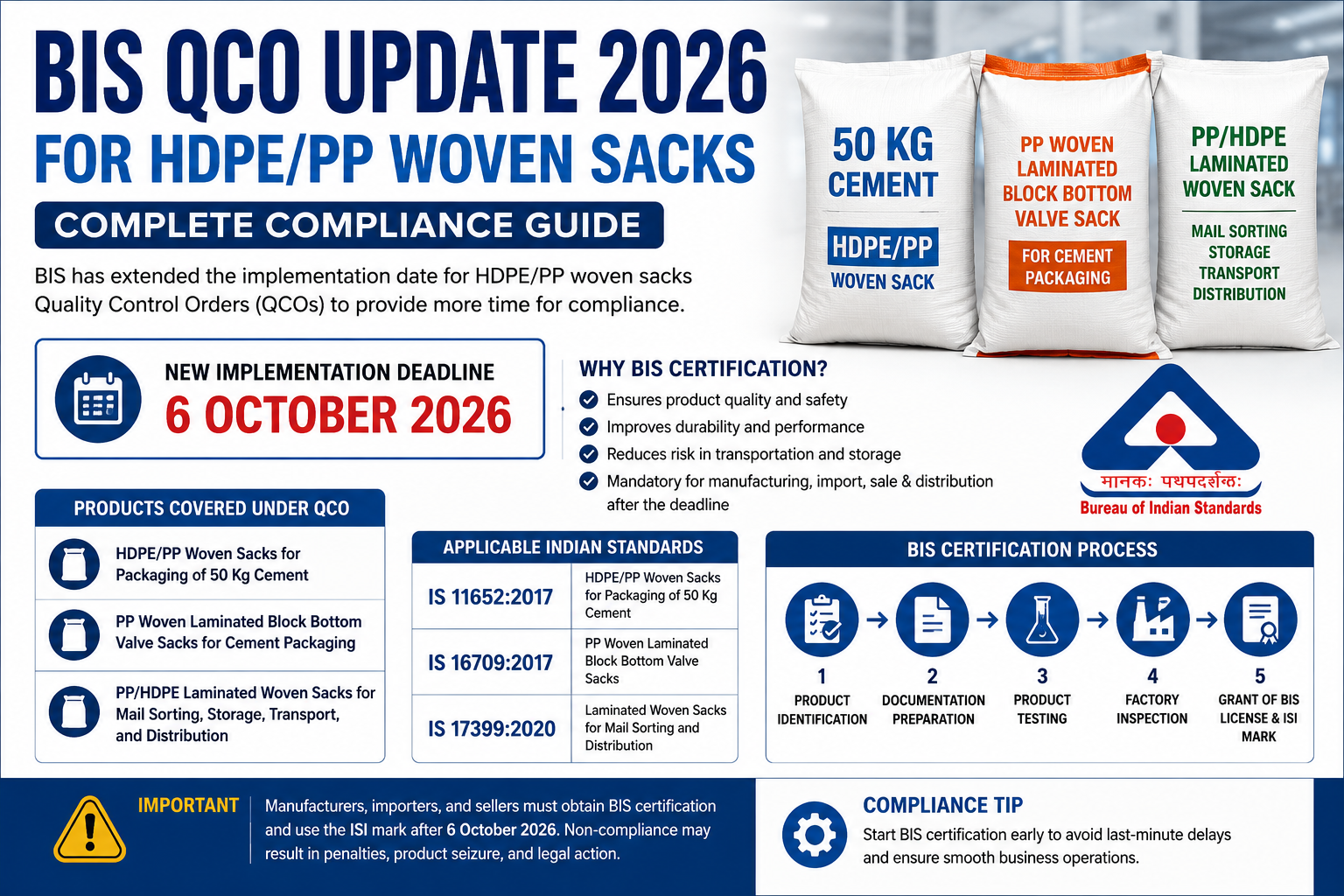
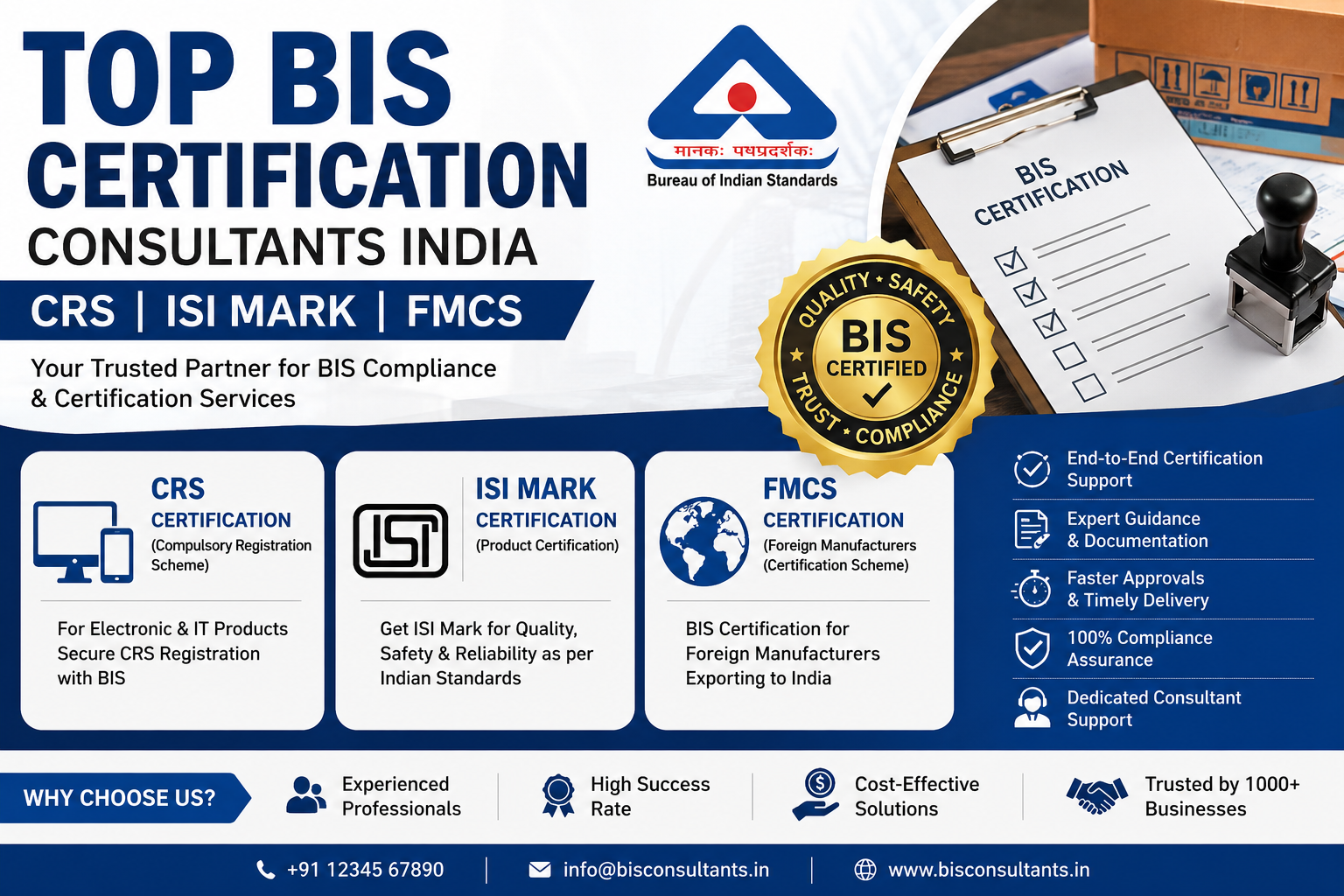
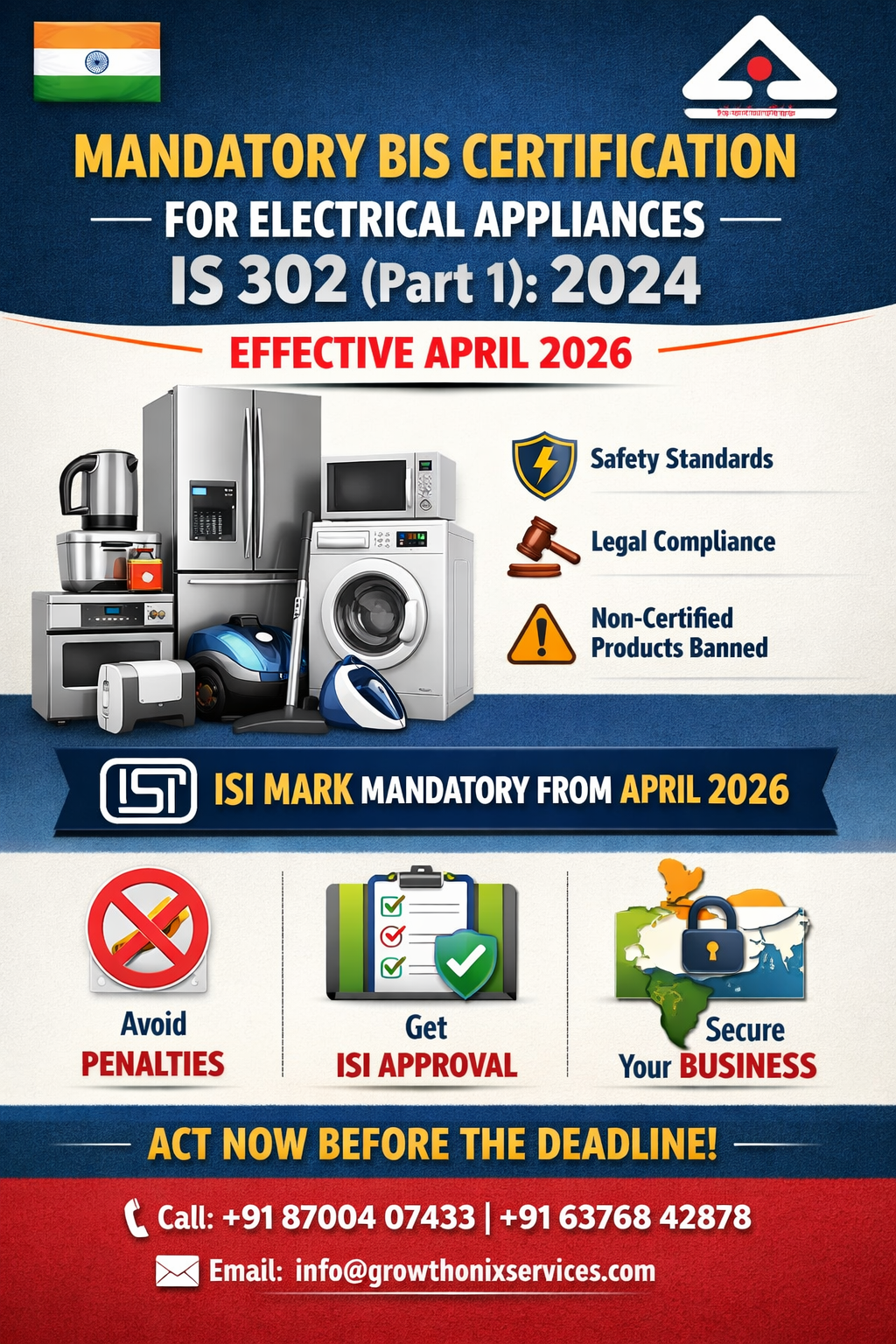
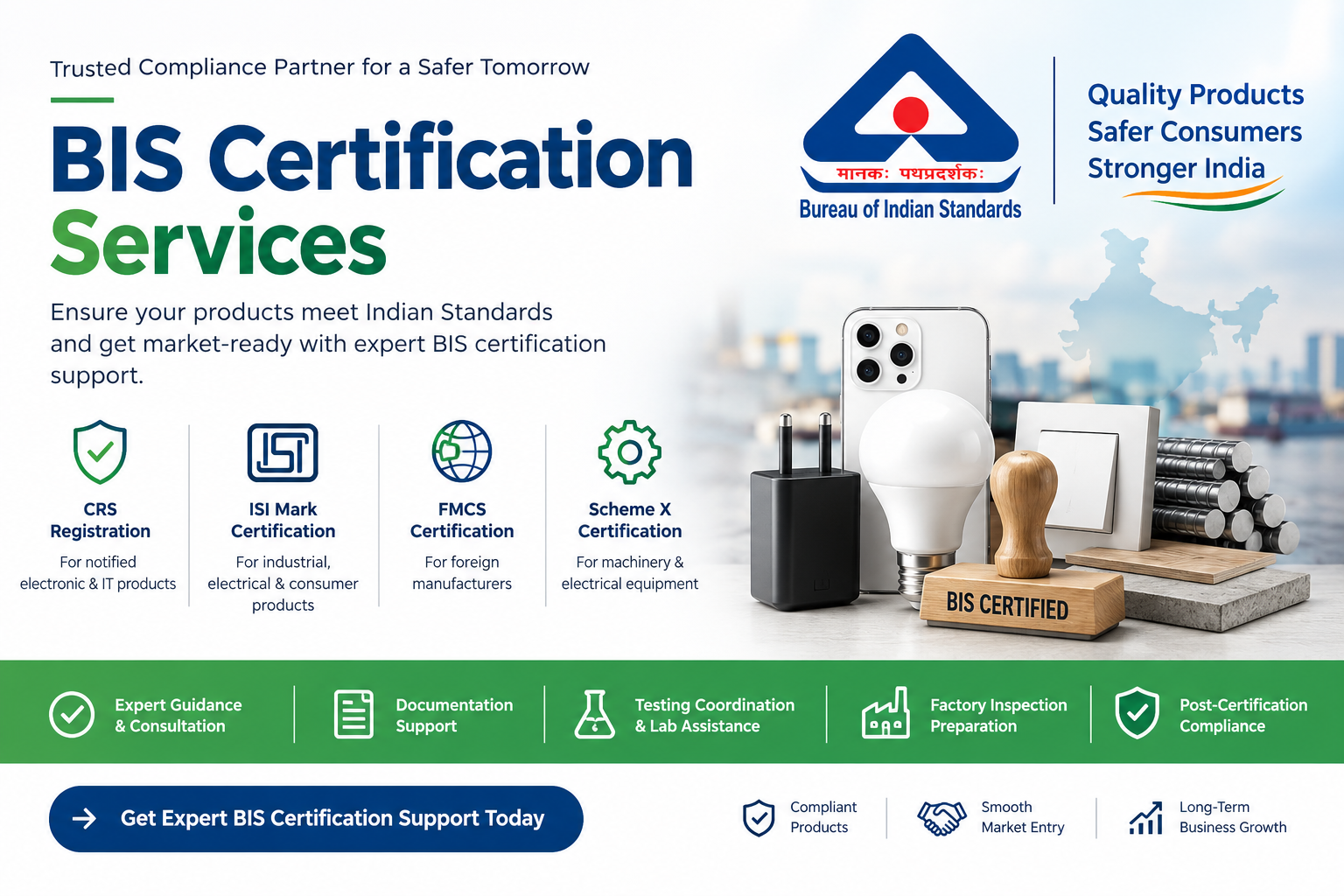
BIS Certification Services play an important role in ensuring product quality, safety, reliability, and compliance with Indian Standards. The Bureau of Indian Standards (BIS) is India's national standards body, operating under the Ministry of Consumer Affairs, Food and Public Distribution. It establishes standards for various products and provides certification schemes to help manufacturers demonstrate conformity with applicable requirements. BIS Certification Services are essential for Indian manufacturers, foreign manufacturers, importers, and businesses dealing with products covered under mandatory certification requirements. Depending on the product category and applicable Quality Control Order (QCO), businesses may need BIS certification before manufacturing, importing, distributing, or selling products in the Indian market. Professional BIS certification consultants can help businesses understand applicable standards, prepare documentation, coordinate product testing, and manage the certification application process. BIS Certification is a conformity assessment process through which products are evaluated against relevant Indian Standards. Depending on the applicable scheme, the process may involve product testing, factory inspection, quality management assessment, and verification of manufacturing facilities. Products that meet the applicable requirements may receive the relevant BIS licence or registration. Under schemes that permit the use of the Standard Mark, certified manufacturers can use the mark according to the licence conditions. The objective of BIS certification is to protect consumers, promote product quality, support fair trade, and ensure that regulated products meet prescribed safety and performance requirements. Not every product requires BIS certification. Businesses should verify whether their particular product is covered by a mandatory requirement, which Indian Standard applies, and what certification scheme is relevant. BIS Certification Services help businesses navigate regulatory requirements and reduce the risk of application delays or non-compliance. 1. Regulatory Compliance: Certification helps manufacturers and importers meet applicable Indian regulations, including mandatory requirements introduced through QCOs. 2. Product Quality and Safety: Testing and assessment help determine whether products conform to relevant quality, safety, and performance standards. 3. Market Access: Applicable BIS certification is often necessary before regulated products can be legally sold in India. 4. Consumer Confidence: Compliance with recognised Indian Standards can strengthen customer trust and improve a brand's credibility. 5. Reduced Documentation Errors: Professional guidance helps businesses prepare accurate applications and supporting documents. 6. Support for Foreign Manufacturers: Eligible foreign manufacturers can receive guidance on applicable BIS certification schemes, overseas factory requirements, and documentation. Different products require different certification routes. The main services include the following. The Compulsory Registration Scheme (CRS) applies to notified product categories, including various electronics and IT products. The applicable process generally involves testing product samples at a BIS-recognised laboratory and submitting the required application and documents. BIS CRS registration services can assist with product classification, applicable Indian Standards, laboratory coordination, technical documentation, and application follow-up. ISI Mark certification is used for products covered under the relevant BIS certification scheme. Depending on the product and scheme, the process may involve factory inspection, product testing, assessment of manufacturing facilities, and verification of quality control arrangements. Products in various categories, including electrical equipment, cement, steel products, and other regulated goods, may require certification under applicable standards and orders. The Foreign Manufacturers Certification Scheme (FMCS) provides a certification route for eligible foreign manufacturers seeking to supply products in India under applicable BIS requirements. FMCS-related services may include identifying the applicable standard, preparing technical documents, coordinating testing, supporting factory inspection preparations, and assisting with communication during the application process. BIS Scheme X covers specified products and machinery under the applicable conformity assessment requirements. Businesses should verify the current scope, relevant product categories, and applicable regulatory notifications before applying. Scheme X consultancy can help manufacturers understand product classification, technical requirements, testing arrangements, and application documentation. Importers must determine whether the products they intend to bring into India are subject to mandatory BIS requirements. Importing a regulated product without the necessary approval can result in regulatory difficulties, including shipment delays and restrictions on sale. A BIS certification consultant can help importers identify the relevant standard, check the applicable certification route, and coordinate with the manufacturer to obtain the necessary approvals. The exact process depends on the product, Indian Standard, and certification scheme. A typical process may include the following steps. Step 1: Product Identification Identify the product's technical specifications, intended use, model numbers, and manufacturing details. Step 2: Applicable Indian Standard Determine the relevant IS number and verify the current standard, product scope, and applicable QCO or other regulatory notification. Step 3: Documentation Preparation Prepare the required documents, which may include business registration details, manufacturing information, product specifications, test reports, quality control documents, and authorisation letters, as applicable. Step 4: Product Testing Arrange testing through an appropriate laboratory recognised or approved for the applicable scheme and standard. Testing requirements vary by product category. Step 5: Application Submission Submit the prescribed application, declarations, technical information, and supporting documents through the applicable BIS process. Step 6: Factory Inspection, Where Applicable For schemes requiring factory assessment, the manufacturer may need to demonstrate suitable production facilities, quality control systems, testing arrangements, and compliance with the relevant requirements. Step 7: BIS Review and Grant of Approval BIS evaluates the application and applicable evidence. Additional information, corrective action, or further testing may be required before a licence or registration is granted. Step 8: Maintaining Compliance After approval, the licensee must comply with the applicable licence conditions, marking rules, surveillance requirements, and renewal or validity provisions. Documentation varies according to the scheme and product. Commonly requested documents may include: Company registration certificate and business address proof. Manufacturing unit details and factory address. Product specifications, technical datasheets, and model information. Manufacturing process details and quality control procedures. Product test reports, where applicable. Trademark or brand authorisation documents, where required. Authorisation letters and identity documents of relevant representatives. Details of in-house testing equipment and technical personnel, where applicable. Required declarations, undertakings, and application forms. Foreign manufacturers may need additional documents related to their overseas factory, authorised Indian representative, and applicable FMCS requirements. The final checklist should always be confirmed against the current scheme-specific guidelines. BIS certification can involve technical standards, testing requirements, documentation, and regulatory procedures. Professional BIS Certification Services help businesses understand these requirements and organise the application process efficiently. A reliable consultant can assist with identifying applicable Indian Standards, reviewing documentation, coordinating laboratory testing, preparing for factory inspections, tracking application progress, and responding to regulatory queries. Consultants can also help businesses understand the differences between CRS registration, ISI Mark certification, FMCS, and Scheme X. This is important because the certification route for one product may not be suitable for another. However, no consultant can guarantee approval independently of BIS's assessment. Certification is granted only when the applicable requirements are fulfilled and the competent authority approves the application. Indian manufacturers may require BIS certification to comply with product-specific QCOs and other applicable requirements. Foreign manufacturers may also need certification before exporting regulated products to India. Businesses should evaluate certification requirements early in the product development, manufacturing, or import planning stage. Early preparation can help reduce avoidable delays, testing complications, and documentation issues. BIS Certification Services are useful for startups, established manufacturers, exporters, importers, and businesses introducing new products into the Indian market. BIS Certification Services help businesses understand and meet India's product quality and safety requirements. From BIS CRS registration and ISI Mark certification to FMCS and Scheme X, the appropriate certification route depends on the product and applicable regulations. Working with an experienced BIS certification consultant can simplify standard identification, documentation, product testing coordination, and application management. Before beginning the process, businesses should verify the latest Indian Standards, applicable QCOs, scheme requirements, and official BIS procedures. BIS Certification Services help manufacturers, importers, and foreign manufacturers understand and complete the applicable BIS certification or registration process, including documentation, testing coordination, and regulatory compliance support. No. BIS certification is mandatory for products covered by applicable laws, Quality Control Orders, or other relevant requirements. Businesses should verify the status of their specific product before applying. The timeline depends on the product category, certification scheme, laboratory testing, documentation, factory inspection requirements, and BIS review. There is no single timeline applicable to every product. BIS CRS generally involves compulsory registration for notified product categories, commonly through the prescribed testing and registration process. ISI Mark certification generally involves a licence under the relevant BIS scheme and may include factory inspection and ongoing compliance obligations. Yes. Eligible foreign manufacturers can apply under the relevant BIS scheme, including FMCS where applicable. Requirements depend on the product, manufacturing location, and current regulations. Common documents include company details, factory information, product specifications, test reports where applicable, authorisation documents, and prescribed declarations. Exact requirements vary by product and scheme. Scheme X is a BIS conformity assessment scheme covering specified products and machinery under its applicable requirements. Manufacturers should verify the current scope and regulatory applicability for their products. No. A consultant can provide guidance and application support, but approval depends on compliance with the applicable standards and requirements and the decision of BIS. Depending on the applicable legal requirement, selling, importing, or manufacturing the product without the necessary approval may result in enforcement action, restrictions, penalties, or other legal consequences. Start by identifying your product, manufacturer details, applicable Indian Standard, and relevant certification scheme. Then review the documentation and testing requirements before submitting the application through the appropriate official process.What Is BIS Certification?
Importance of BIS Certification Services
Types of BIS Certification Services
1. BIS CRS Registration
2. BIS ISI Mark Certification
3. BIS FMCS Certification
4. BIS Scheme X Certification
5. BIS Certification for Importers
BIS Certification Process in India
Documents Required for BIS Certification
Why Choose a Professional BIS Certification Consultant?
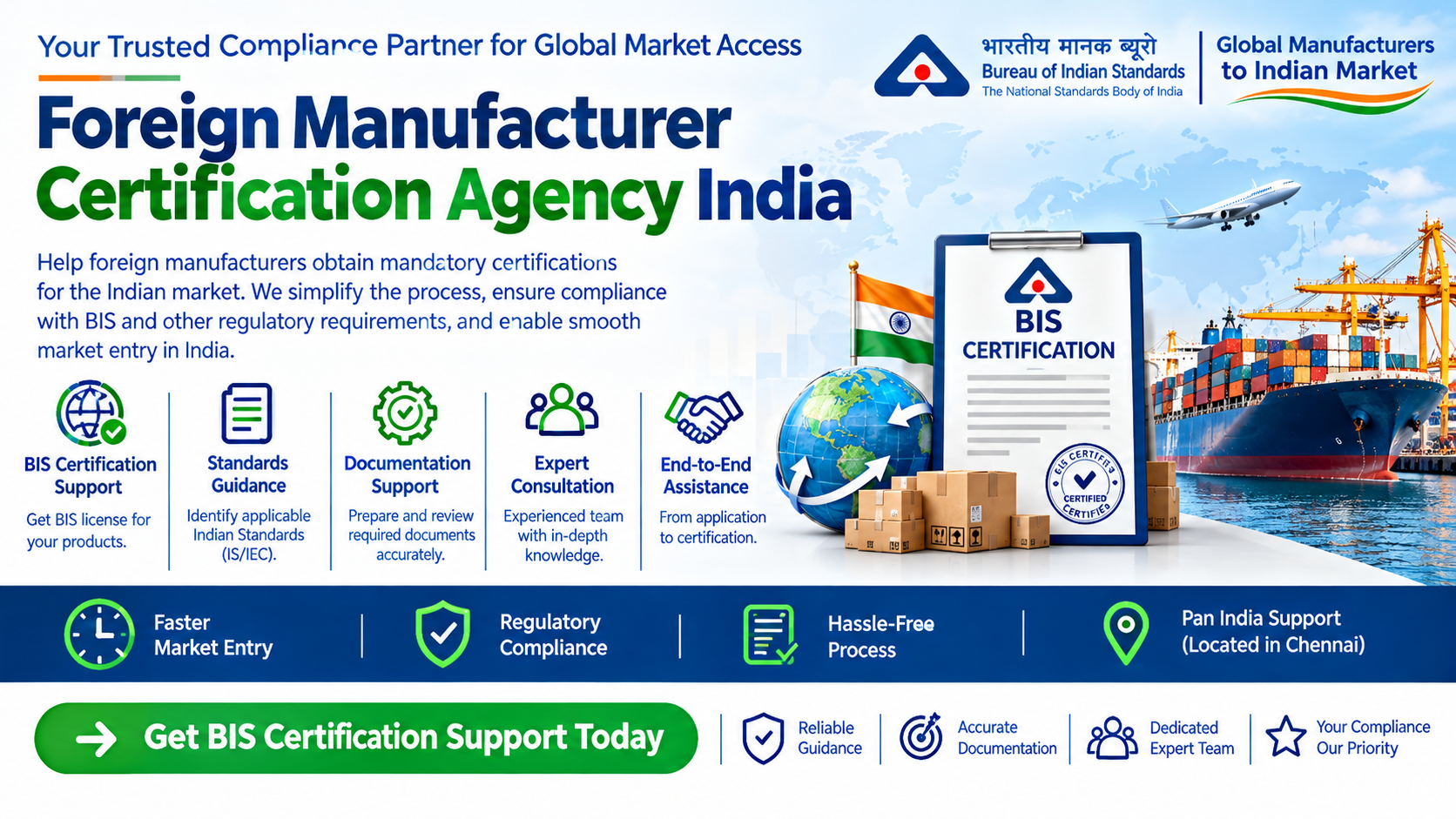
BIS Certification Services for Indian and Foreign Manufacturers
Conclusion
Frequently Asked Questions (FAQs)
1. What are BIS Certification Services?
2. Is BIS certification mandatory for all products in India?
3. How long does BIS certification take?
4. What is the difference between BIS CRS and ISI Mark certification?
5. Can foreign manufacturers apply for BIS certification?
6. What documents are required for BIS certification?
7. What is BIS Scheme X certification?
8. Can a BIS certification consultant guarantee approval?
9. What happens if a product requires BIS certification but does not have it?
10. How can I start the BIS certification process?