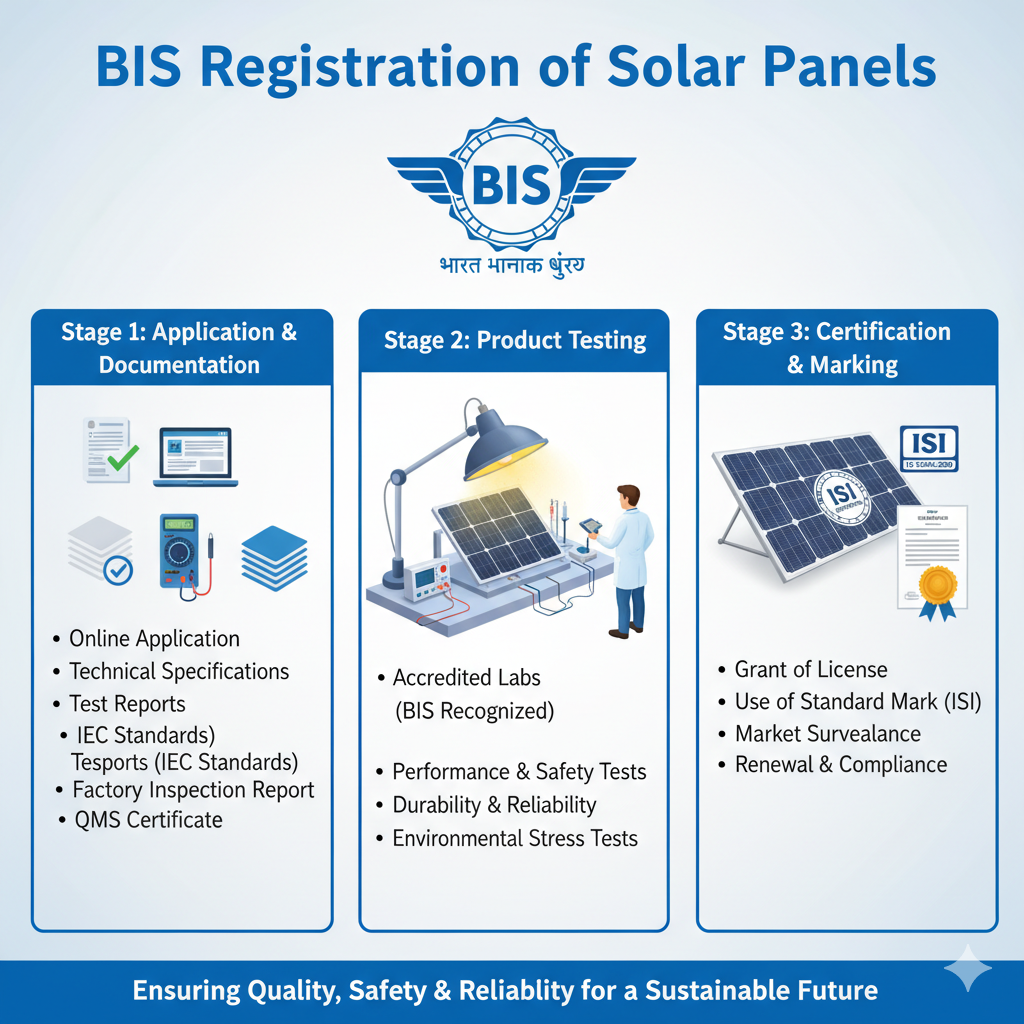
BIS License Application Process
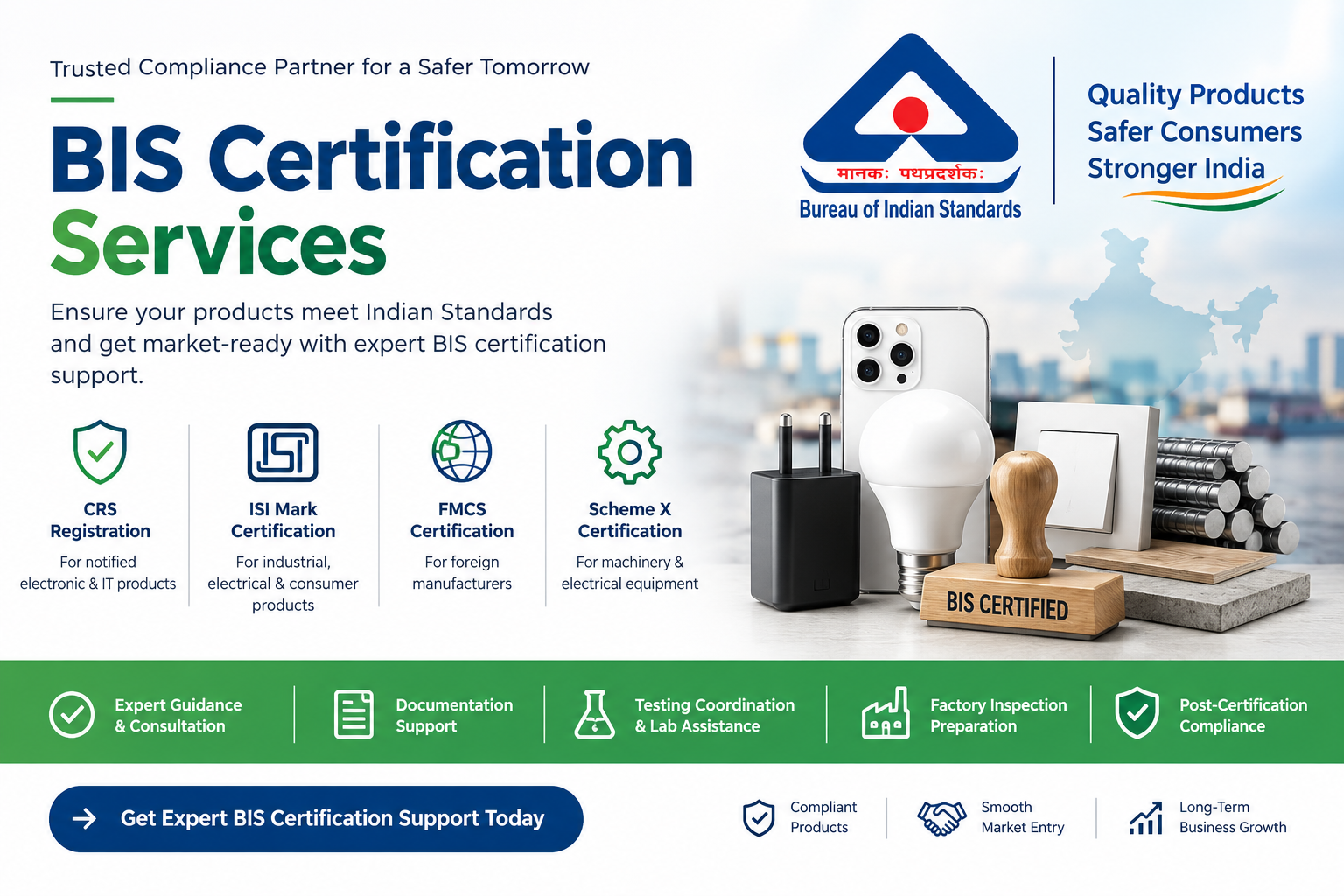
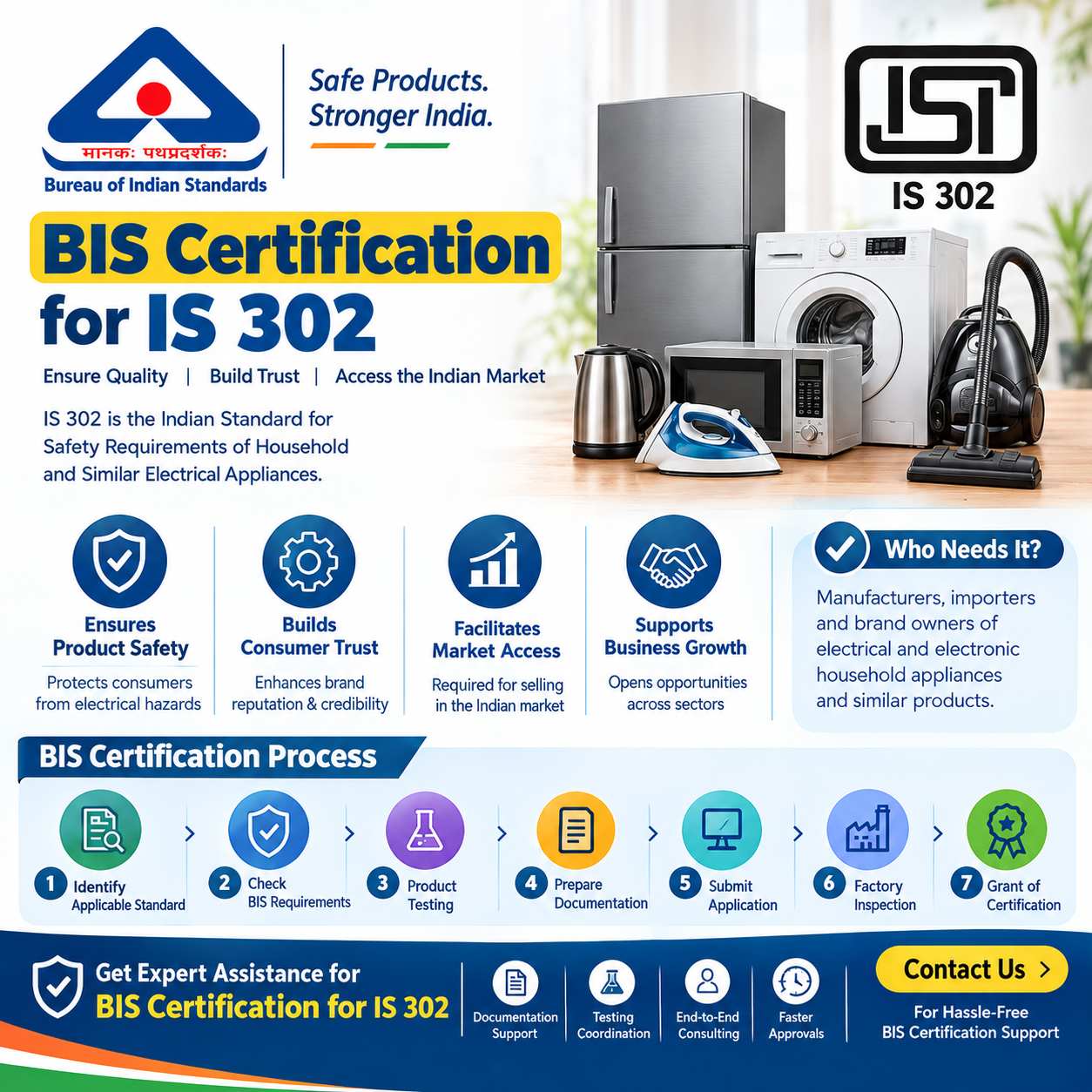
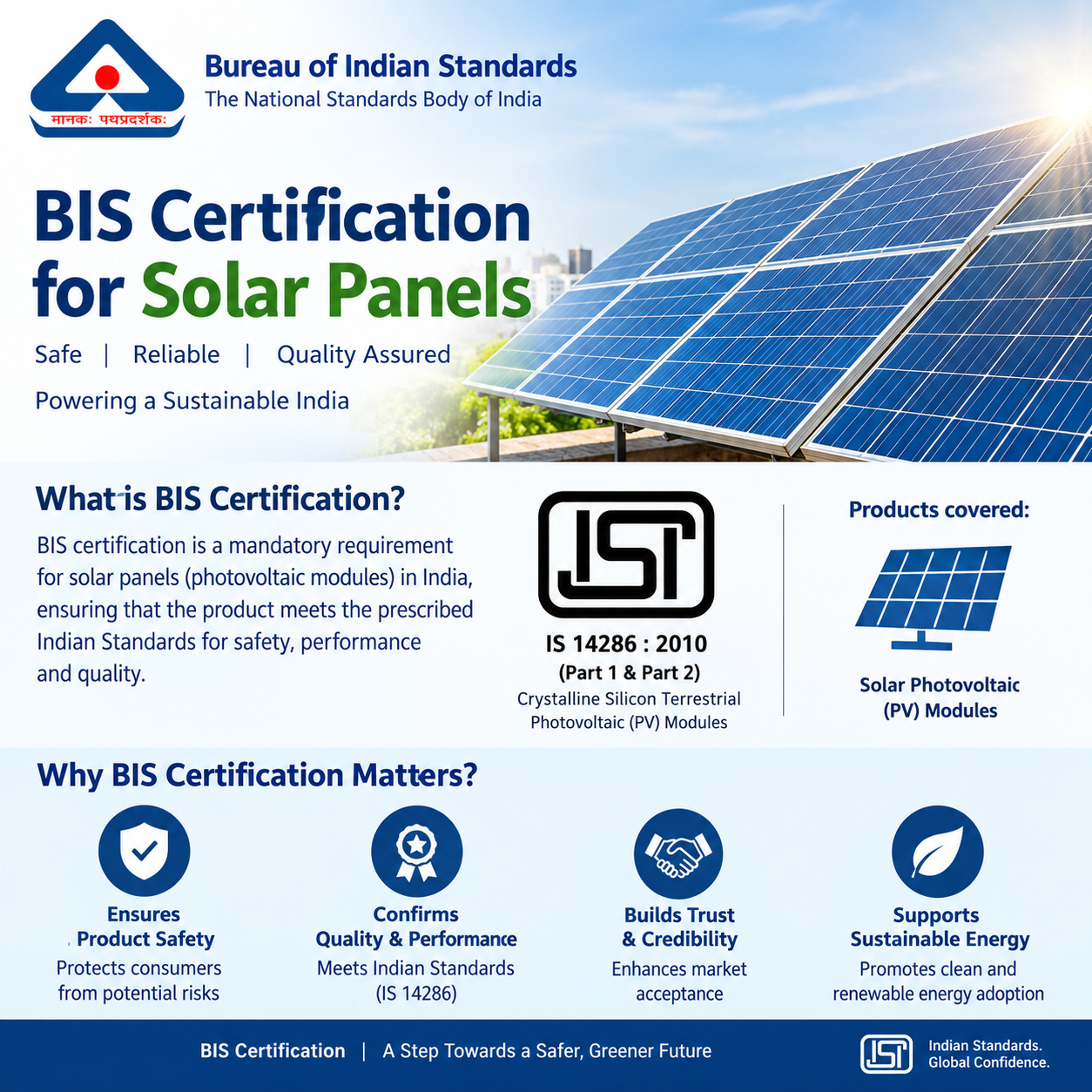
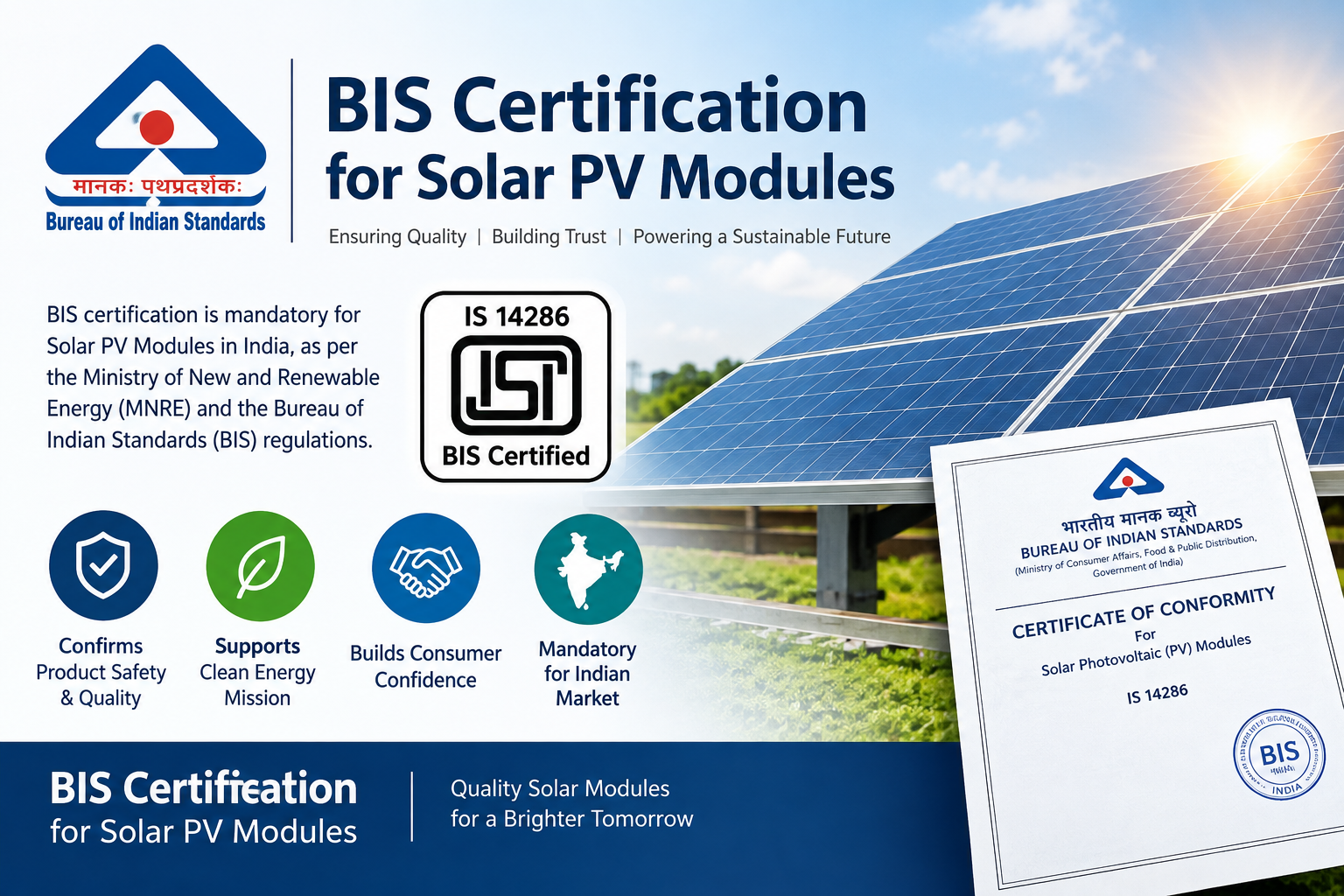
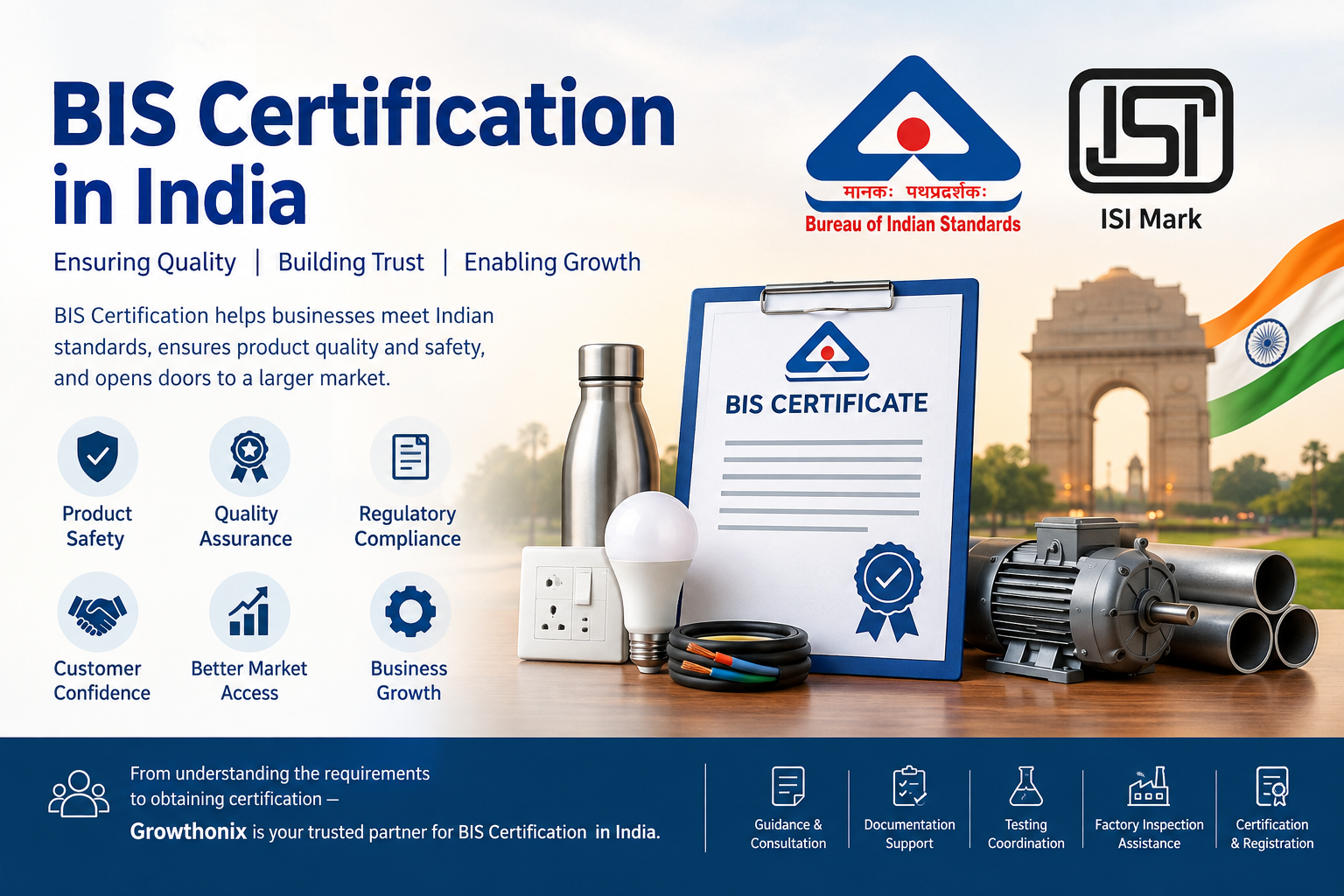
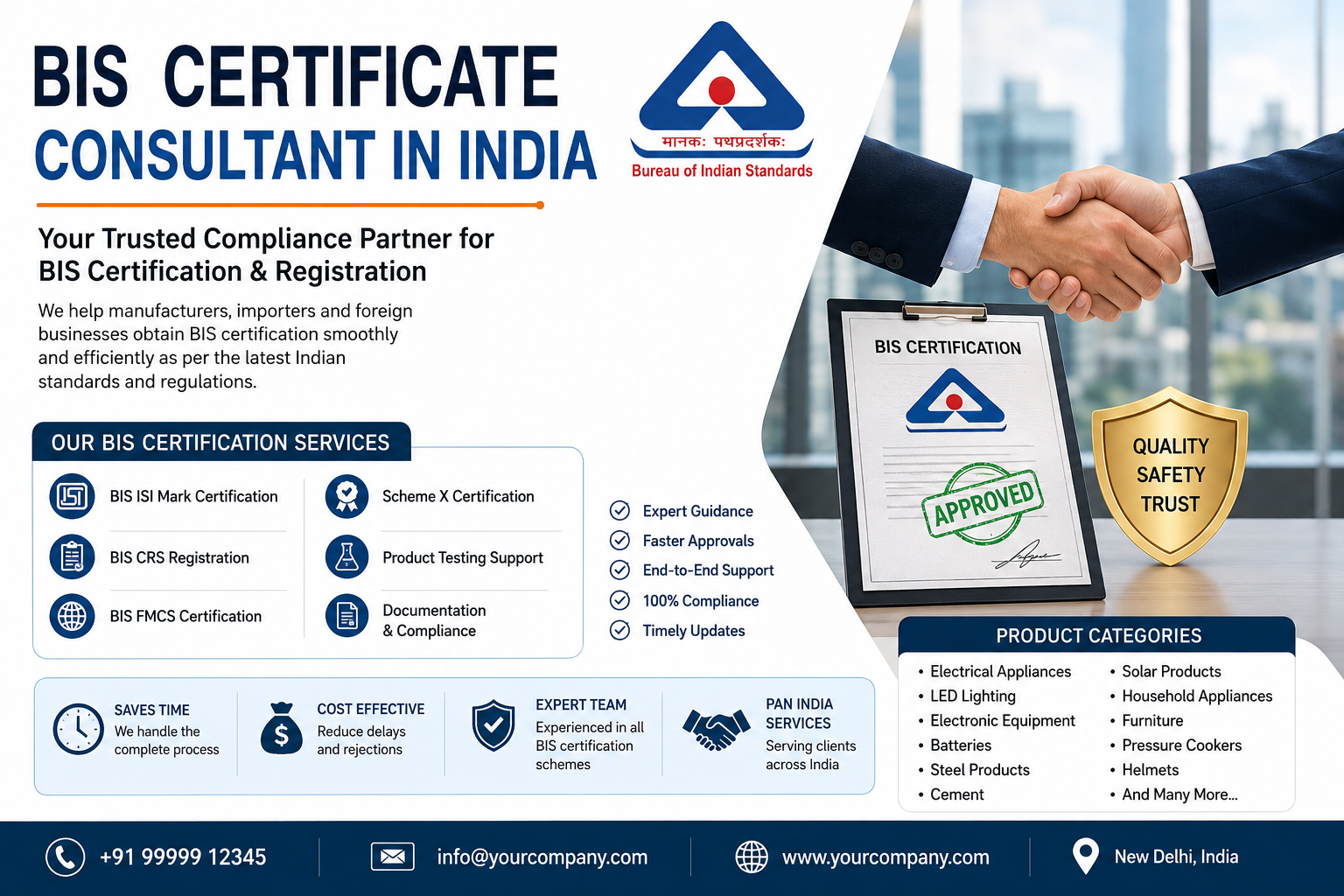
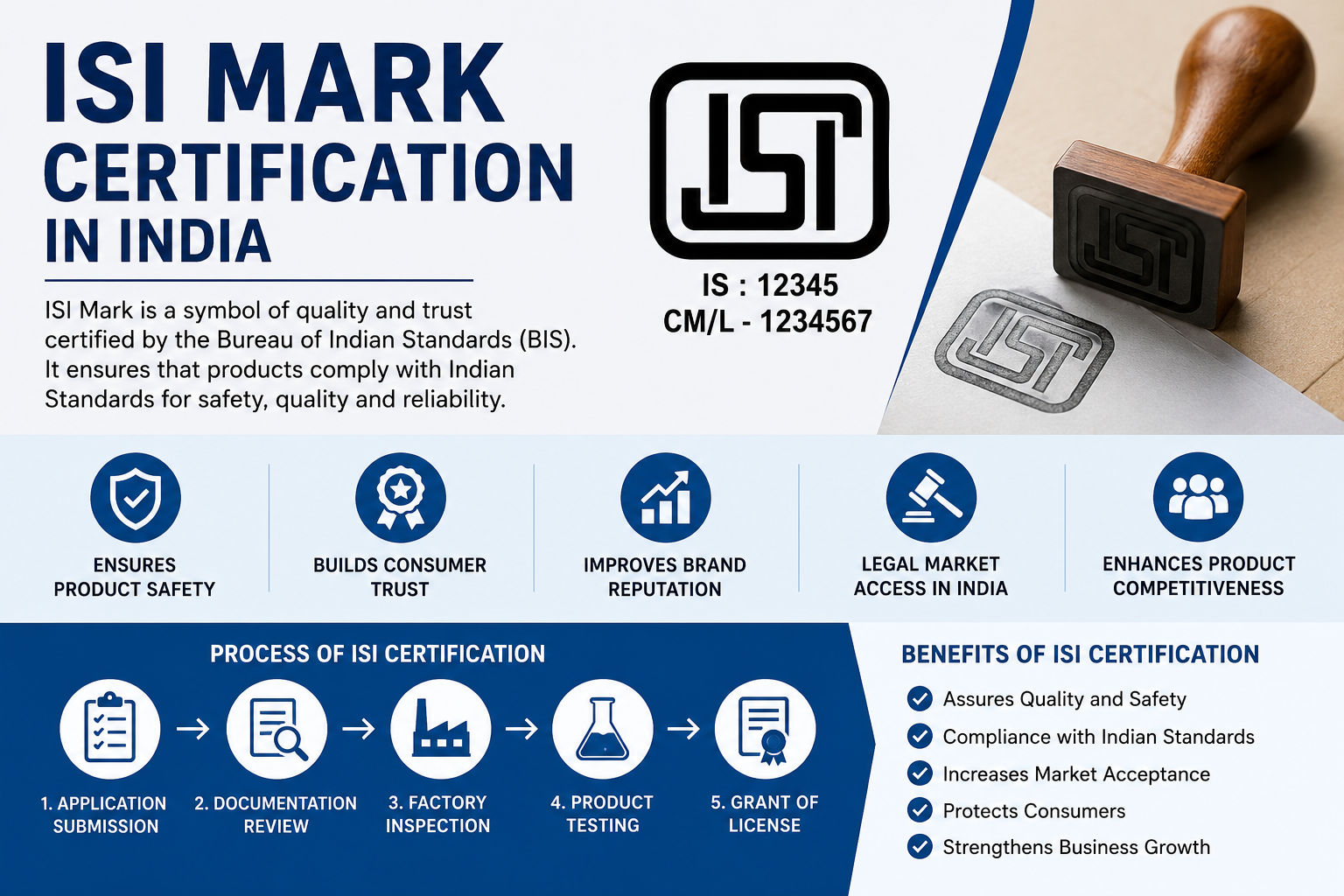
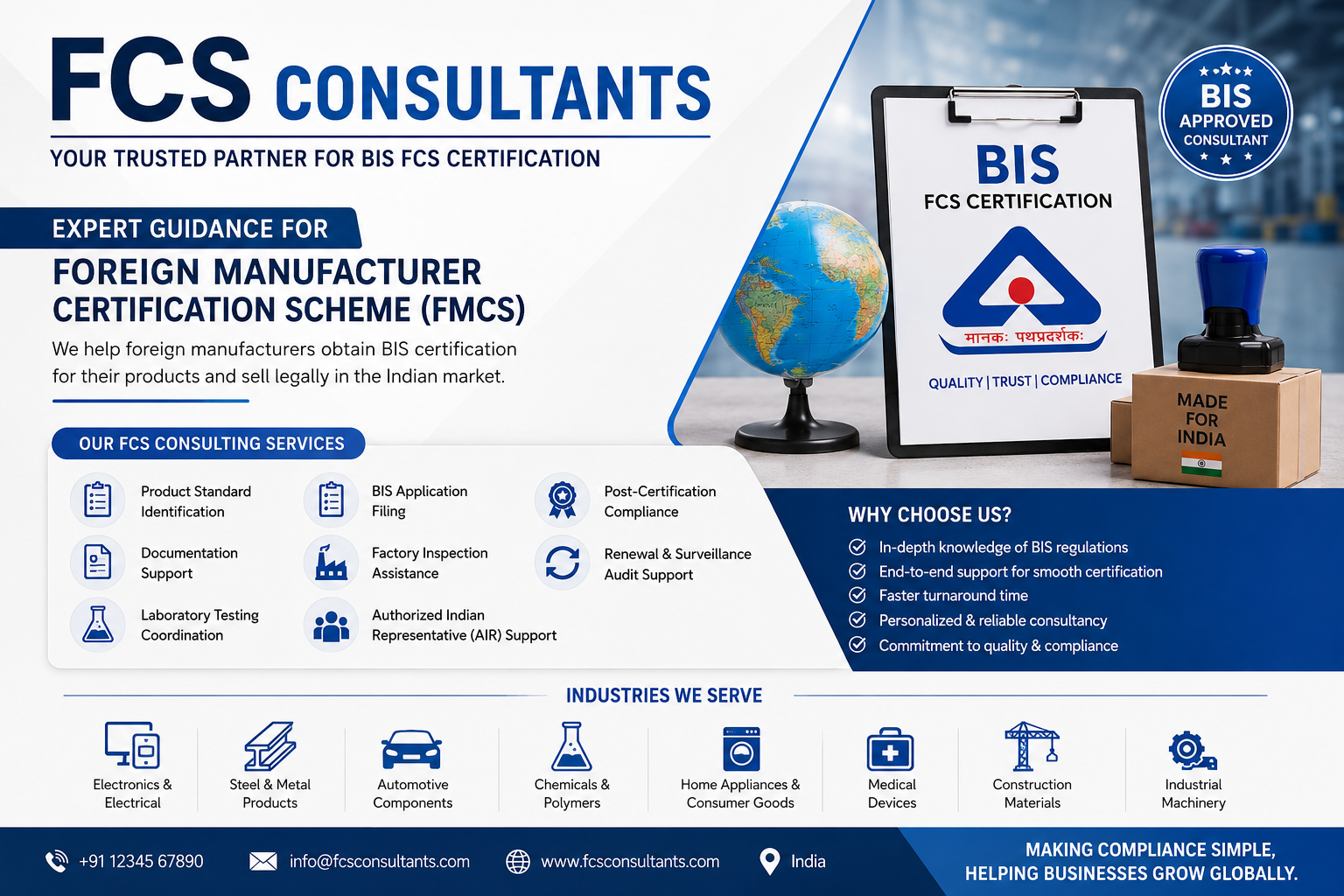
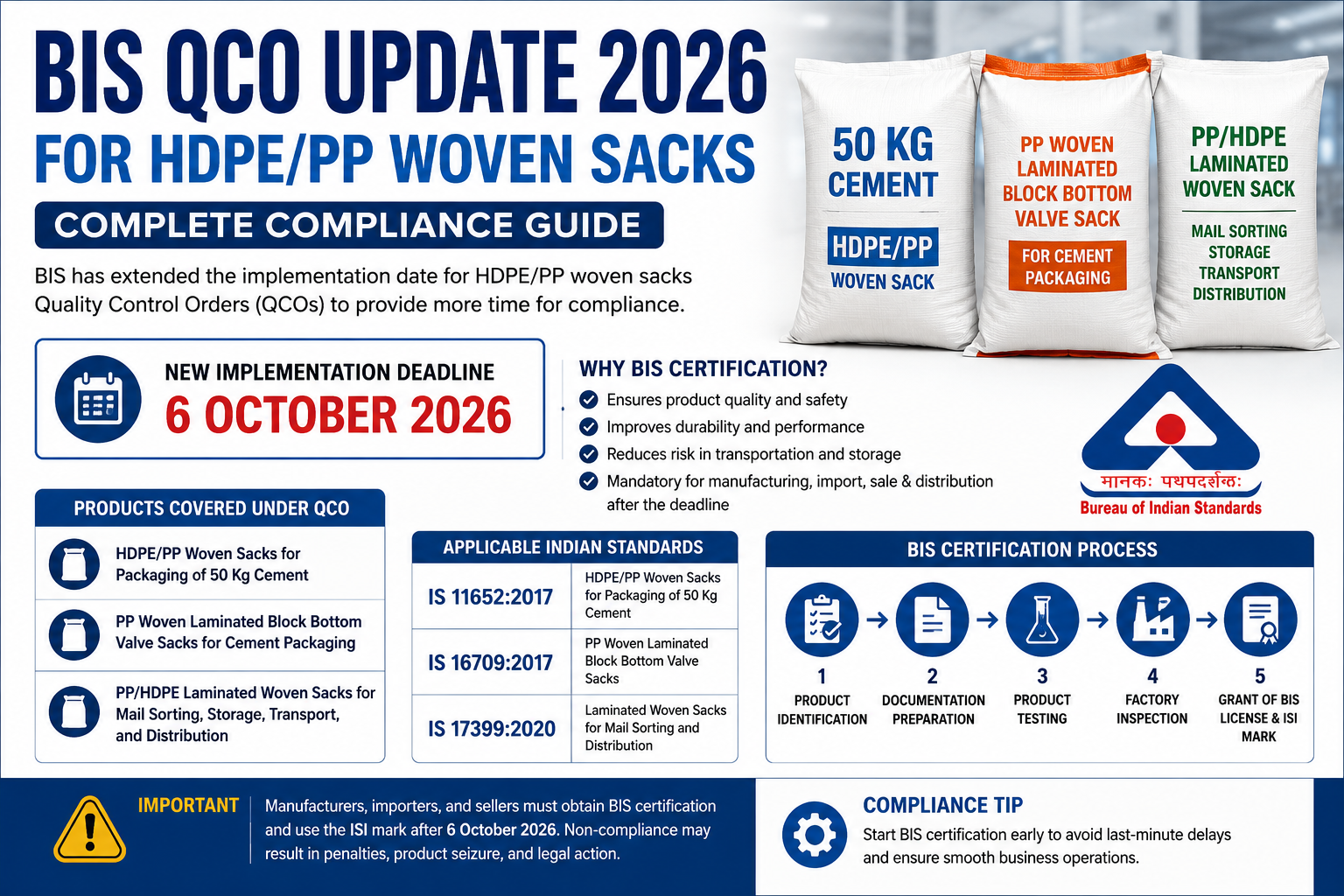
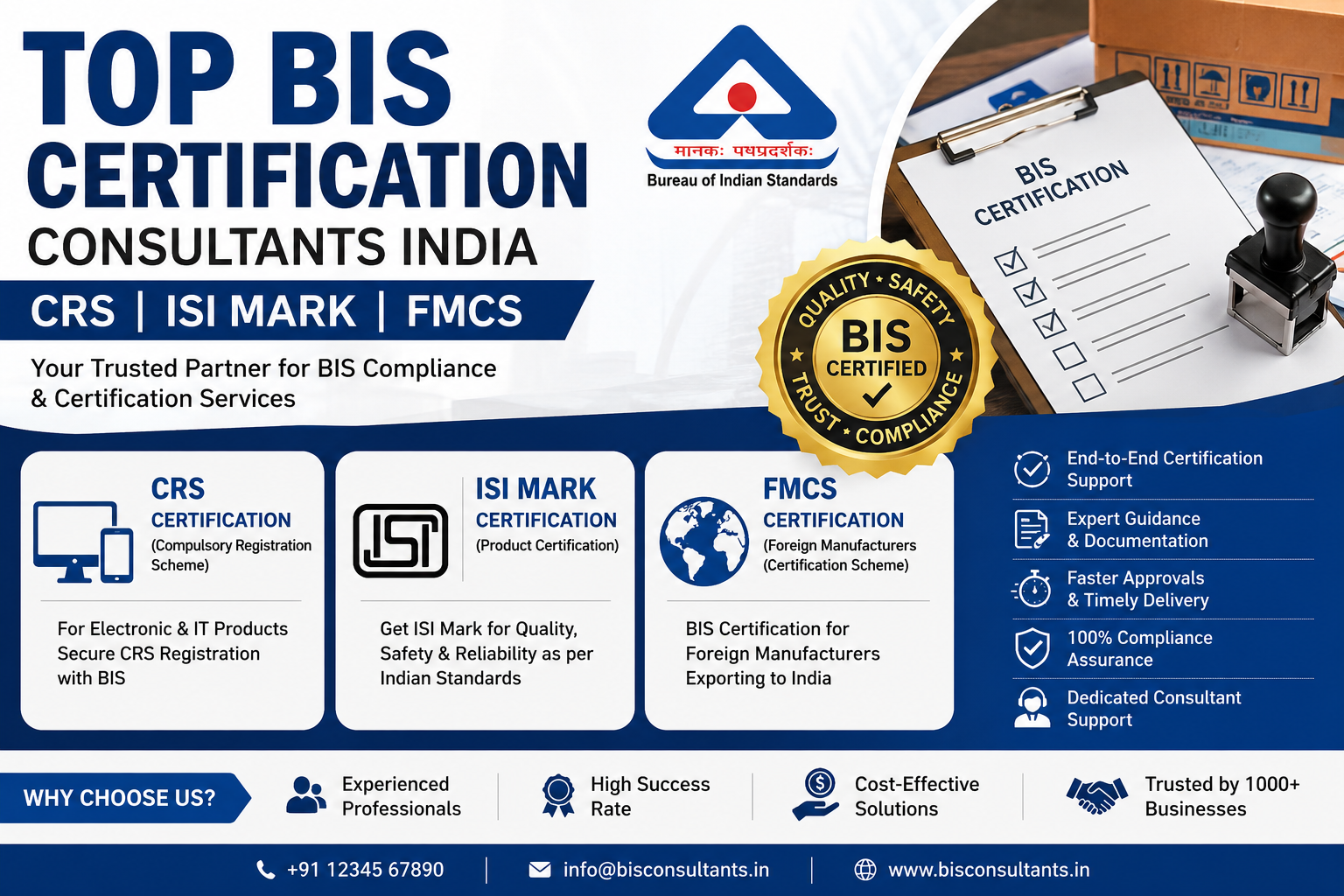
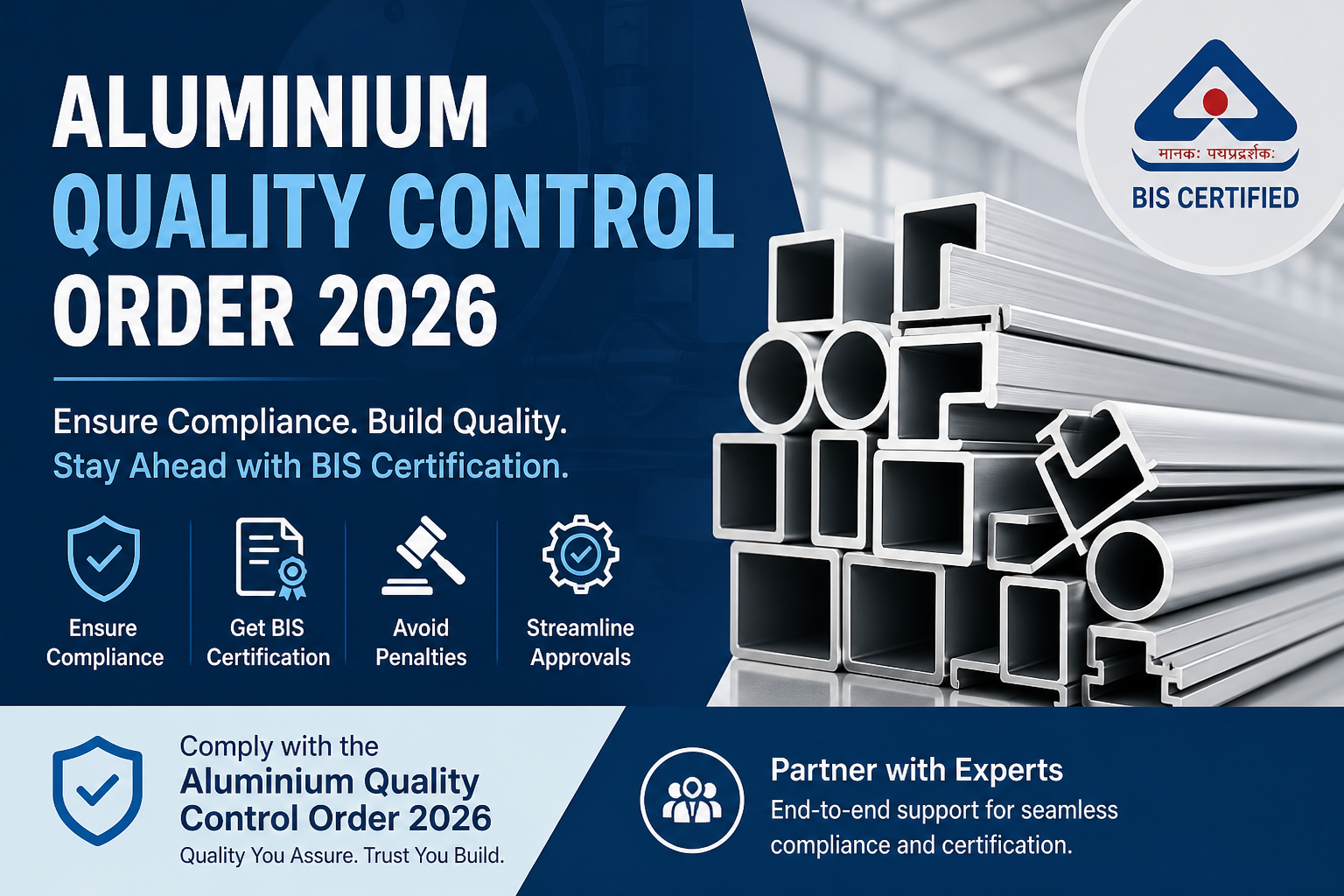
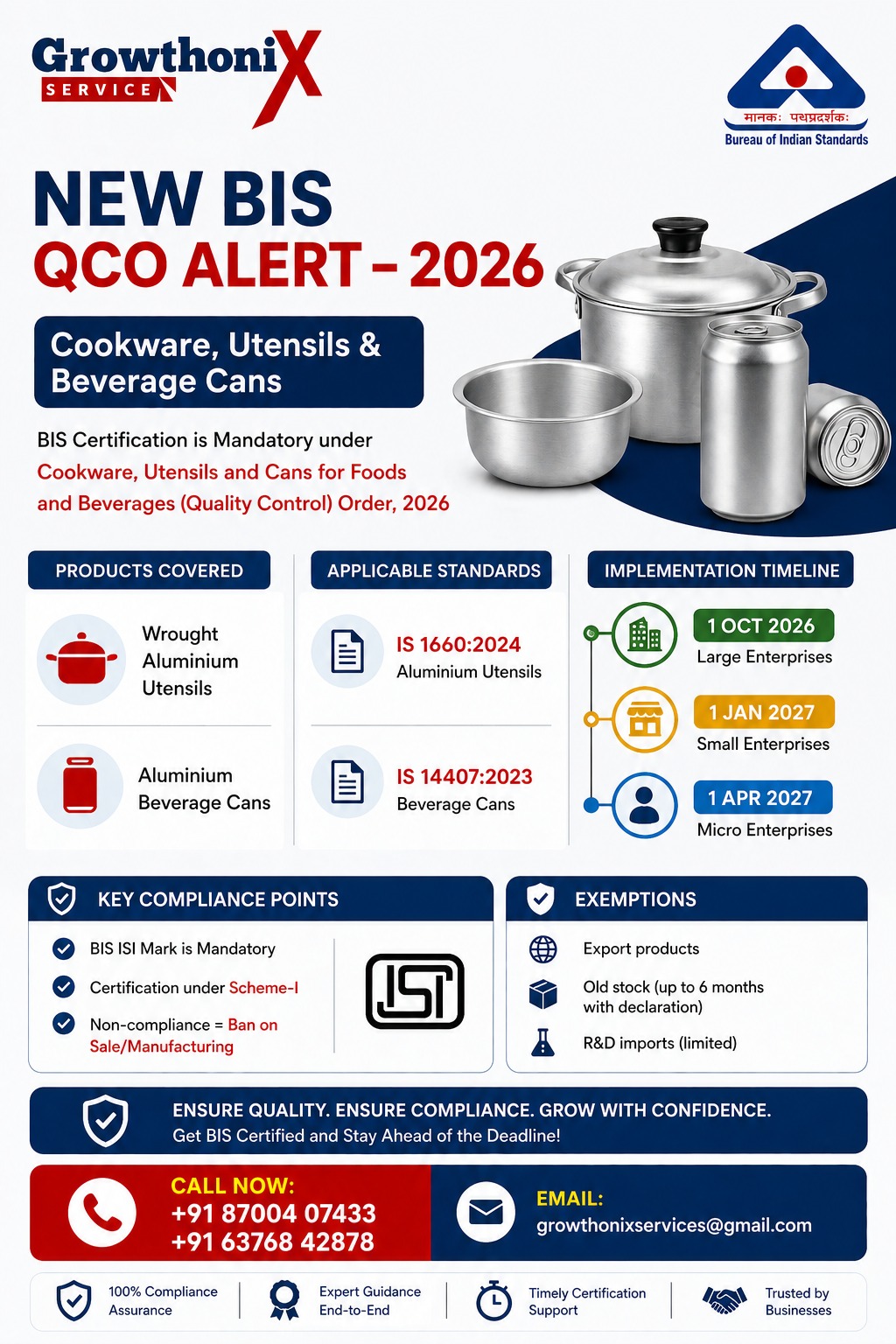
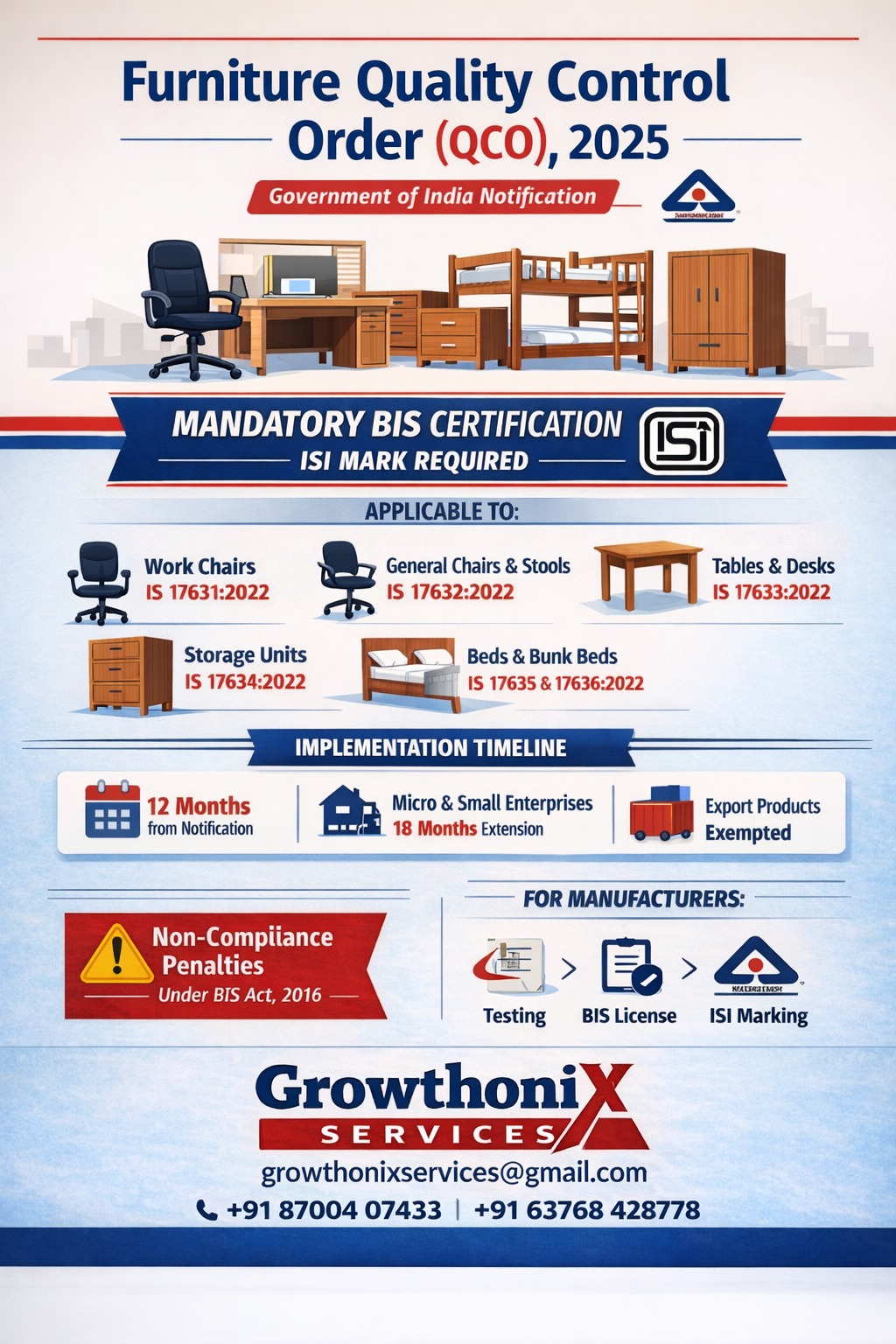
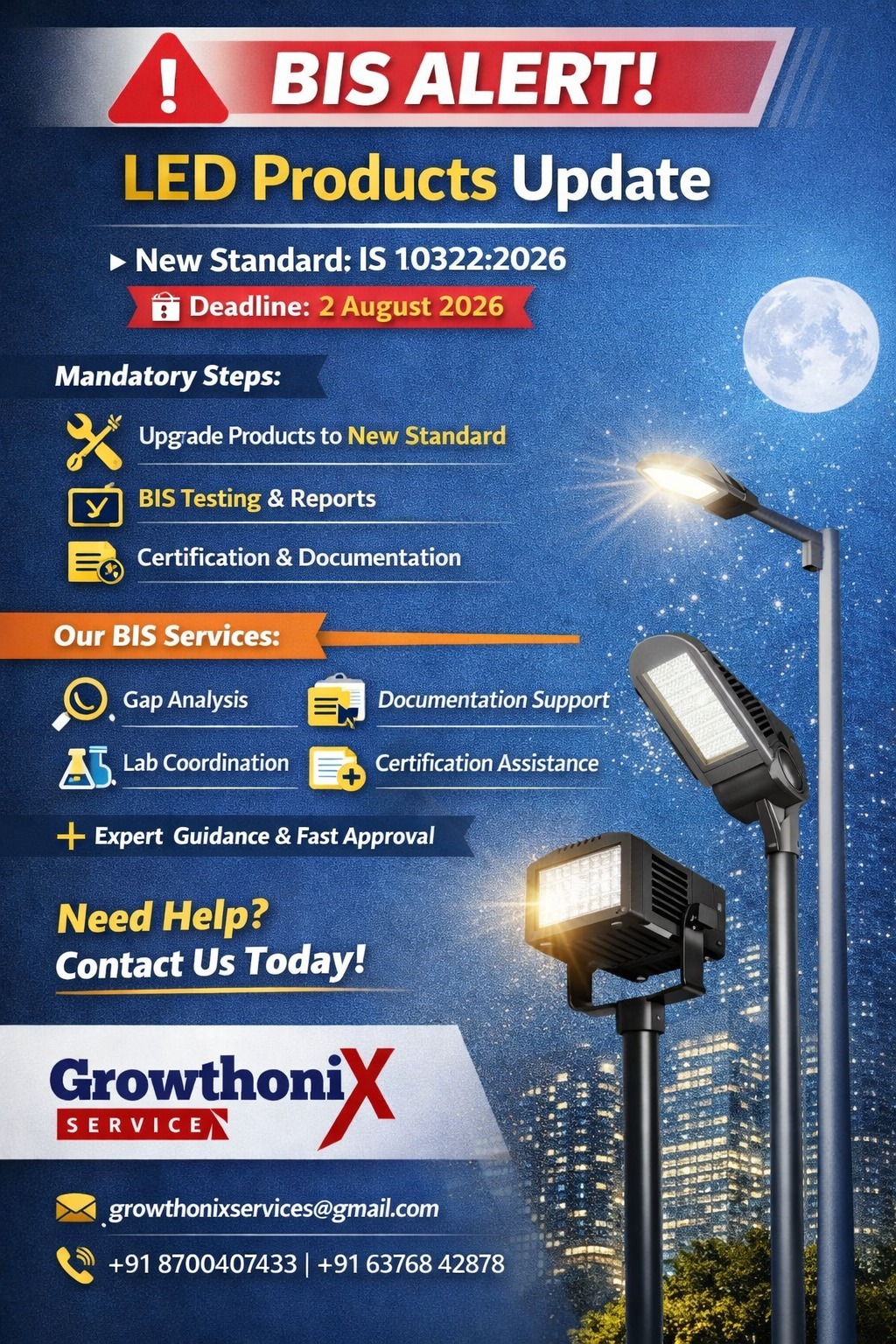
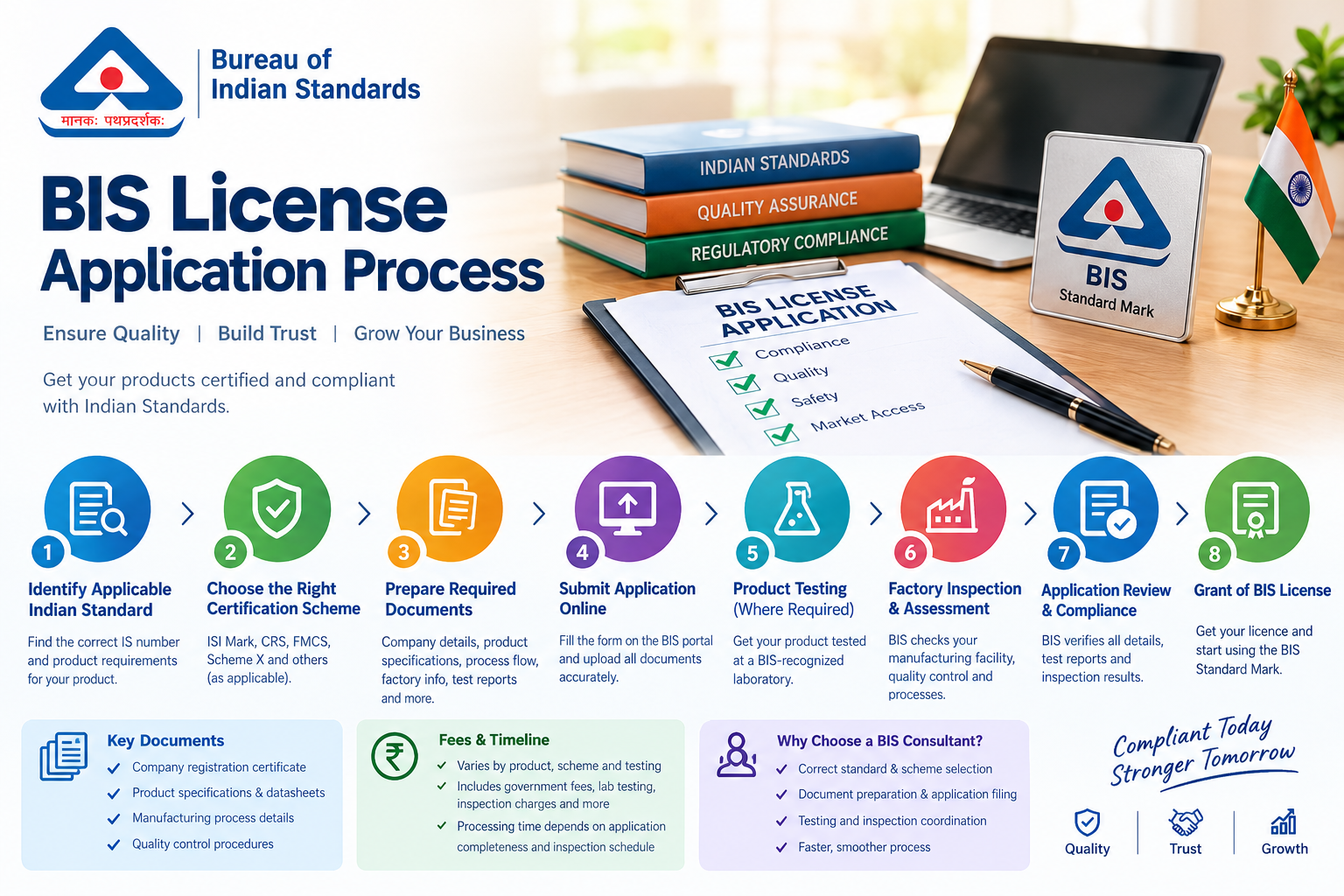
The BIS license application process is an essential step for manufacturers and businesses that want to sell products covered under the applicable quality control regulations in India. The Bureau of Indian Standards (BIS) is the national standards body responsible for developing Indian Standards and operating product certification schemes to ensure that products meet specified quality, safety, and performance requirements. Obtaining a BIS licence helps businesses demonstrate compliance with applicable Indian Standards, build customer trust, and meet regulatory requirements before manufacturing, importing, or selling regulated products in India. However, the application procedure varies depending on the product category, applicable standard, certification scheme, and whether the manufacturer is based in India or abroad. A BIS licence is an authorization granted under the relevant BIS product certification scheme, allowing a manufacturer to use the applicable certification mark on products that comply with the specified Indian Standard and scheme requirements. Depending on the product, businesses may need certification under schemes such as the ISI Mark Scheme, Compulsory Registration Scheme (CRS), or Foreign Manufacturers Certification Scheme (FMCS). Certain products may also fall under Scheme X or other applicable conformity assessment requirements. Before applying, businesses should confirm whether their product is covered by a mandatory Quality Control Order (QCO) or another applicable regulation. The first step is to identify the Indian Standard applicable to the product. Every regulated product may have specific technical requirements relating to safety, quality, performance, materials, design, and testing. Manufacturers should verify the correct IS number, product category, and any amendments or revisions to the standard. Selecting the wrong standard can result in testing delays, application rejection, or additional costs. The next step is to determine which certification scheme applies to the product. ISI Mark Certification: Commonly applicable to products covered under the BIS product certification scheme, including products subject to mandatory certification. Compulsory Registration Scheme (CRS): Applicable to notified product categories, including certain electronic and IT products. Foreign Manufacturers Certification Scheme (FMCS): Relevant to eligible foreign manufacturers seeking BIS certification for products covered by the scheme. Scheme X: Applicable to specified products and machinery under the relevant conformity assessment framework. Each scheme has its own application requirements, testing procedures, documentation, and approval conditions. Documentation is a critical part of the BIS license application process. Applicants should prepare accurate and complete records according to the applicable scheme. Commonly required documents may include: Company registration certificate and business details Manufacturing address and factory details Product specifications and technical datasheets Manufacturing process flowchart Details of machinery and testing equipment Quality control and inspection procedures Factory layout and infrastructure details, where applicable Test reports from a BIS-recognized laboratory, where required Trademark authorization or brand ownership documents, if applicable Authorized signatory details and declarations Additional documents may be necessary for foreign manufacturers, including an authorized Indian representative's documentation where required by the relevant scheme. Once the required documents are ready, the applicant must submit the application through the appropriate BIS online portal or registration system. The application generally includes manufacturer information, product details, the applicable Indian Standard, factory information, brand details, and supporting documents. Applicants must select the correct product category and certification scheme. All information should match the supporting documents. Errors in company names, manufacturing addresses, product descriptions, or standard numbers can lead to clarification requests and delays. Product testing is an important part of the BIS certification process wherever required by the applicable scheme. Samples are tested against the relevant Indian Standard to verify compliance with specified technical parameters. The testing requirements depend on the product category and may cover electrical safety, mechanical strength, chemical composition, performance, durability, or other relevant characteristics. Applicants should ensure that samples represent the product intended for certification and that testing is performed by a laboratory accepted under the applicable BIS scheme. A satisfactory test report supports the application but does not automatically guarantee licence approval. For certification schemes that require factory inspection, BIS officials assess whether the manufacturing facility has the necessary infrastructure and quality control systems. During the inspection, the assessment may cover: Availability of manufacturing machinery and equipment In-house testing facilities and inspection procedures Raw material quality control Production processes and quality records Compliance with the applicable Indian Standard Implementation of the prescribed Scheme of Inspection and Testing The manufacturer must demonstrate its ability to consistently produce compliant products. The inspection procedure and requirements depend on the applicable certification scheme. Bureau of Indian Standards After testing and any required inspection, BIS reviews the application, supporting documents, test reports, and compliance status. If any discrepancies or missing information are identified, the applicant may be asked to provide clarification or additional documents. Applicants should respond promptly to queries and resolve technical or documentation issues. Incomplete applications, unsatisfactory test results, and delays in providing information can extend the overall approval timeline. Once the applicable requirements have been fulfilled and BIS approves the application, the licence or registration is granted under the relevant scheme. The authorization specifies the product, manufacturing premises, applicable Indian Standard, and other relevant conditions. Manufacturers must follow the prescribed marking and labelling requirements and use the BIS Standard Mark only as authorized. A valid licence or registration should be maintained in accordance with the applicable scheme's requirements. Bureau of Indian Standards The exact documentation depends on the product and certification scheme. Generally, applicants should prepare company registration documents, factory details, product specifications, manufacturing process information, machinery lists, quality control records, testing documents, and brand authorization where applicable. Foreign manufacturers may need additional documentation and an Authorized Indian Representative (AIR), depending on the scheme. Applicants should consult the relevant BIS checklist before submitting their application. The total cost of obtaining a BIS licence depends on the certification scheme, product category, testing requirements, factory inspection, and applicable government fees. Additional expenses may include laboratory testing, sample transportation, inspection-related charges, and professional consultancy fees. The processing time also varies. It depends on the completeness of the application, availability of testing facilities, inspection scheduling, and the time required to resolve queries. Applicants should check the latest official fee schedule and processing guidelines before beginning the procedure. Bureau of Indian Standards +1 The BIS license application process involves technical documentation, product testing, regulatory interpretation, and coordination with the relevant authorities. A professional BIS consultant can help businesses identify the applicable standard, select the correct certification scheme, prepare documents, coordinate testing, and address application queries. Consultancy support can reduce avoidable errors and help manufacturers navigate the certification process more efficiently. However, the final approval decision rests with BIS, and no consultant can guarantee a licence. The BIS license application process is an important compliance requirement for businesses manufacturing or importing products covered under mandatory Indian quality regulations. From identifying the applicable Indian Standard to completing testing, inspection, and final approval, every stage requires careful planning and accurate documentation. Businesses should verify the latest regulatory requirements before applying and ensure that their products and manufacturing facilities meet the applicable standards. With proper preparation and professional guidance, manufacturers can navigate the process more smoothly and establish a reliable presence in the Indian market.What Is a BIS License?
Step-by-Step BIS License Application Process
1. Identify the Applicable Indian Standard
2. Determine the Applicable BIS Certification Scheme
3. Prepare the Required Documents
4. Submit the BIS Application Online
5. Product Testing in an Approved Laboratory
6. Factory Inspection and Assessment
7. Application Review and Compliance
8. Grant of BIS License
Documents Required for BIS License Application
BIS License Application Fees and Timeline
Why Choose a BIS License Consultant?
Conclusion