BIS Certification for Cookware, Utensils, Sinks & Food Cans
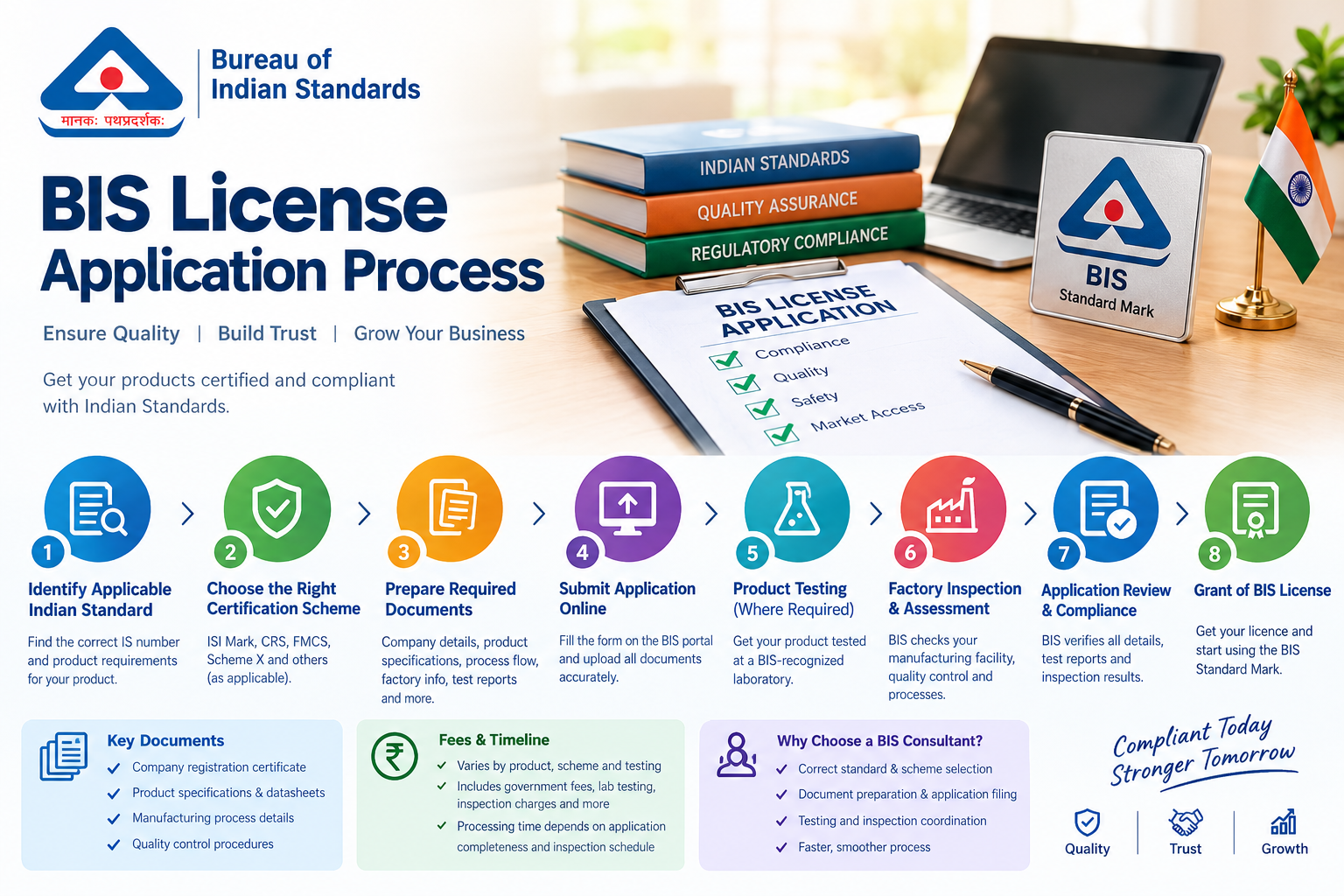
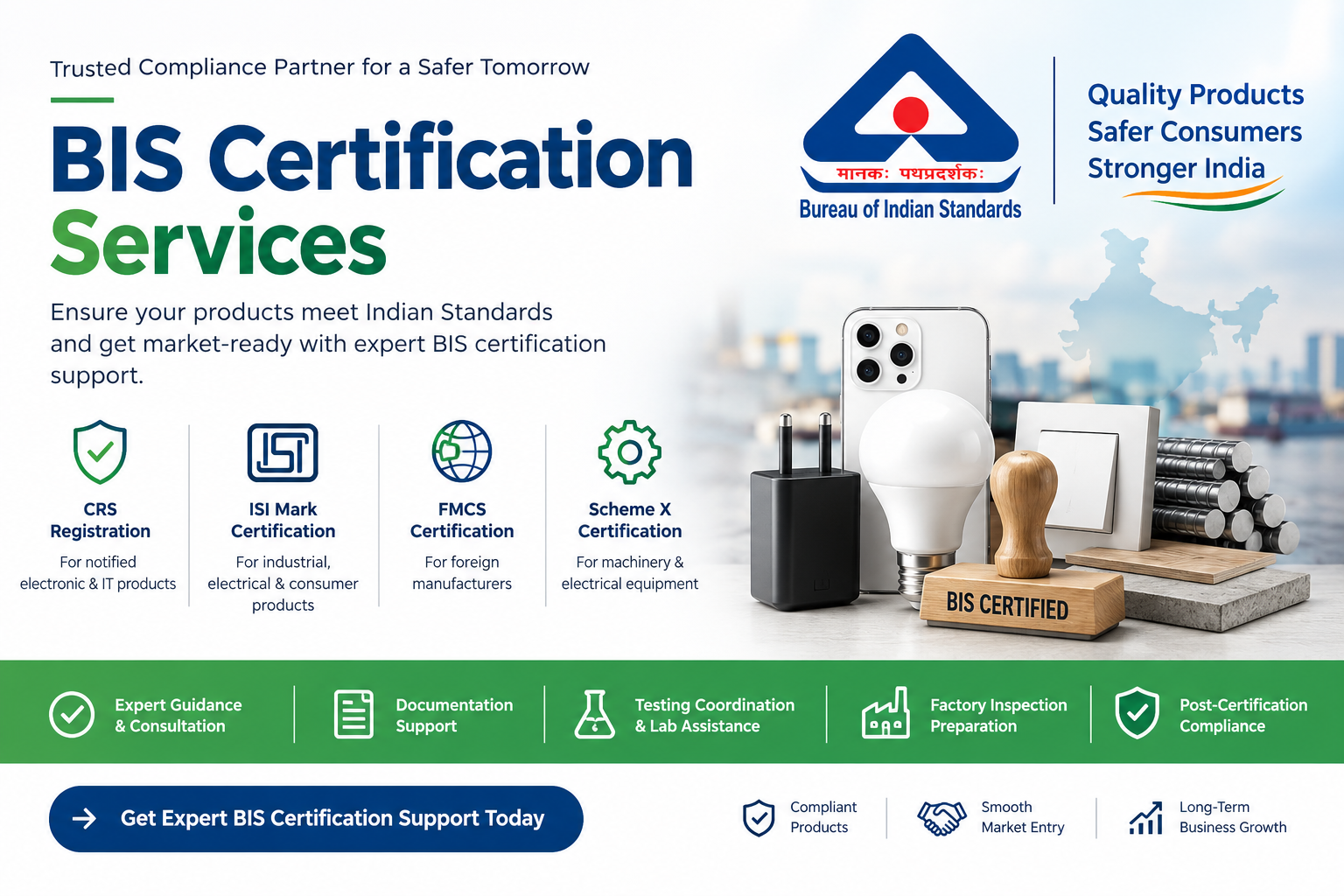
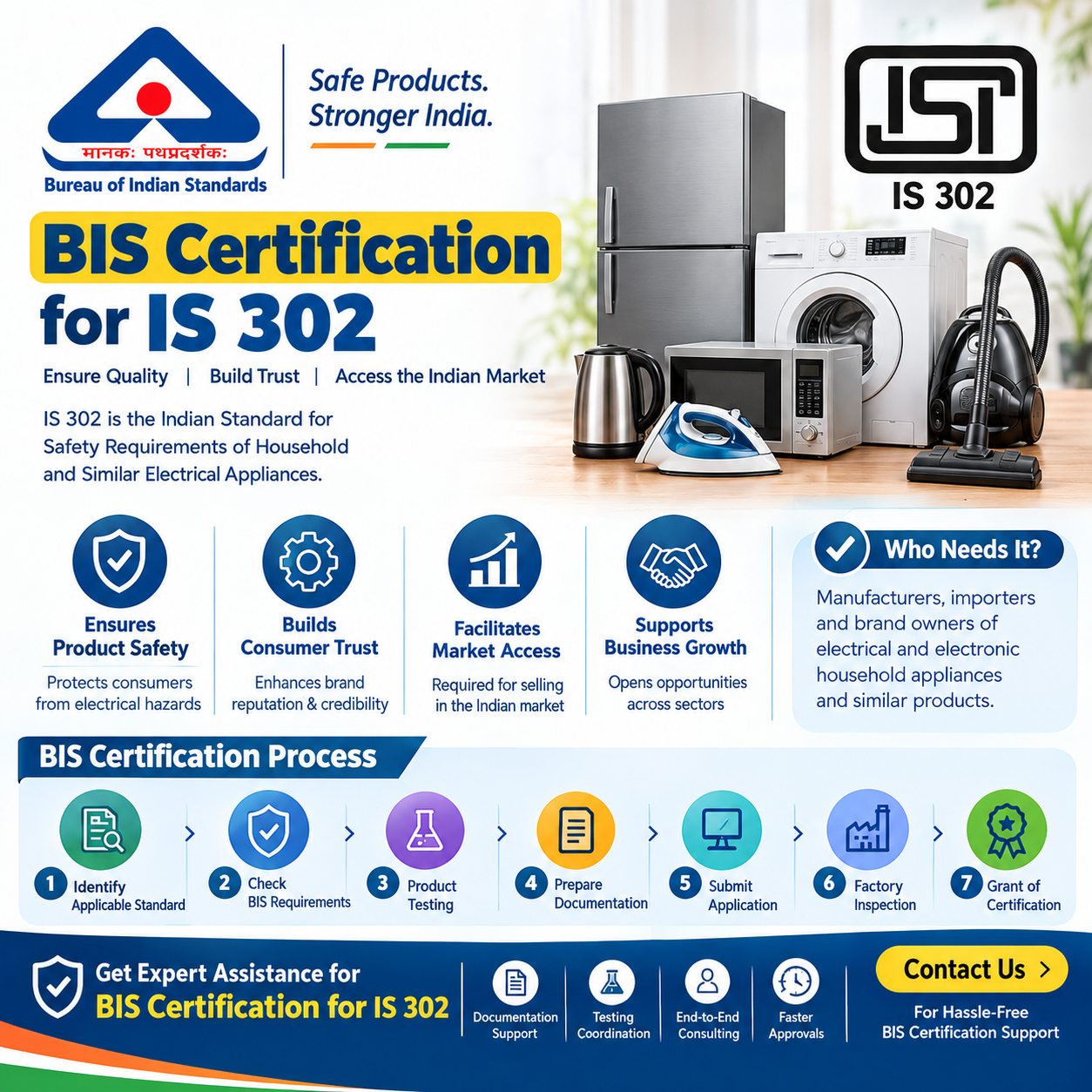
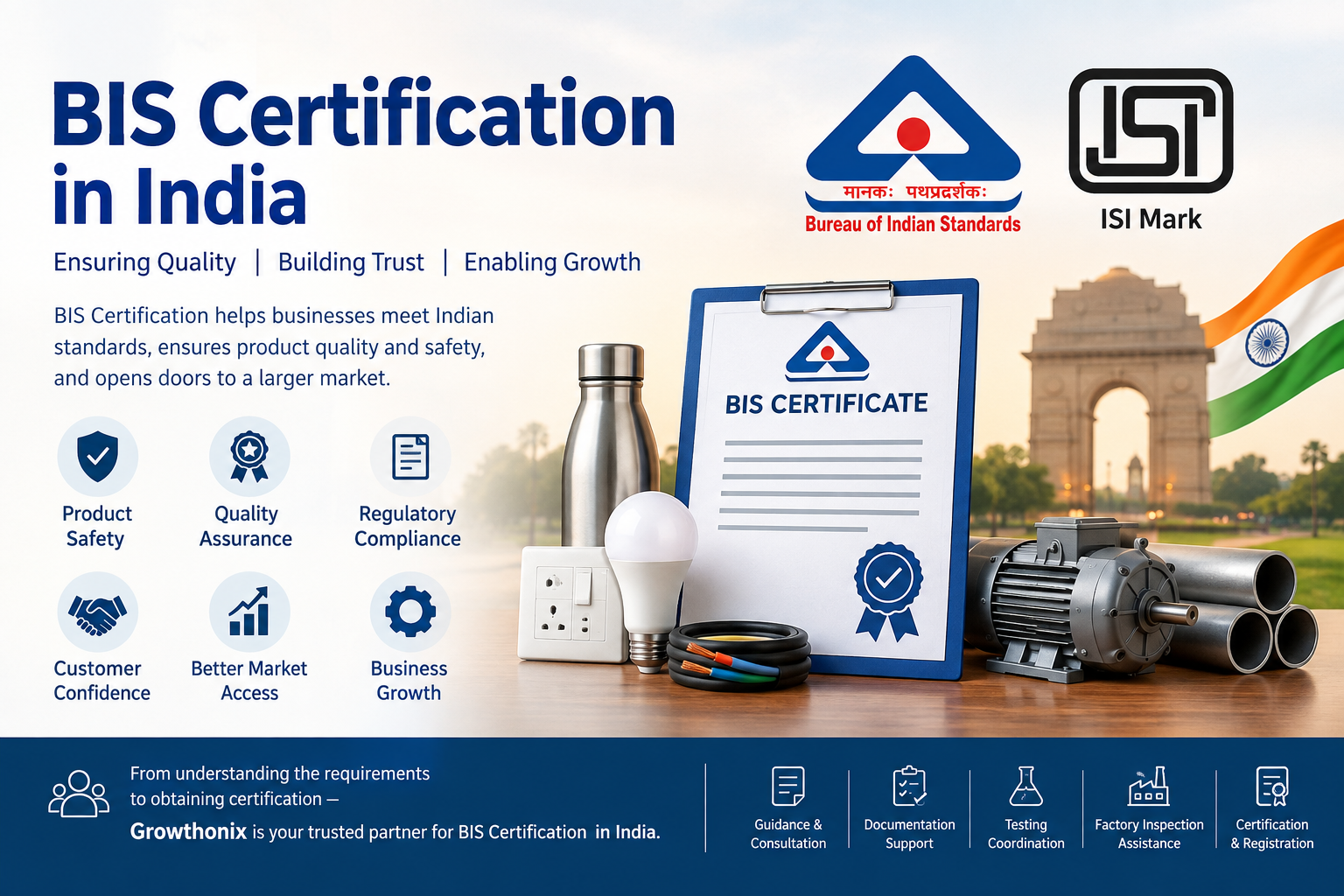
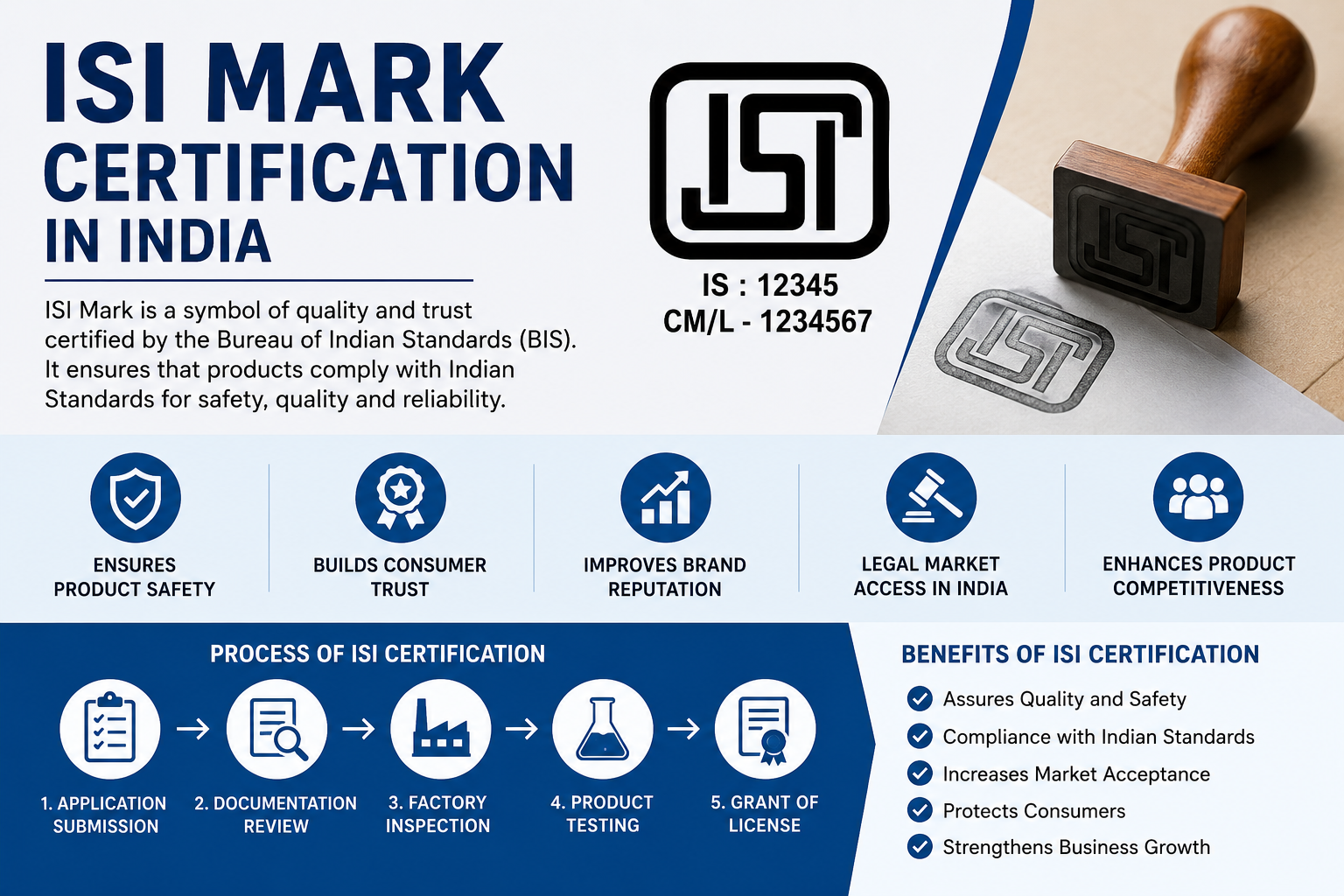
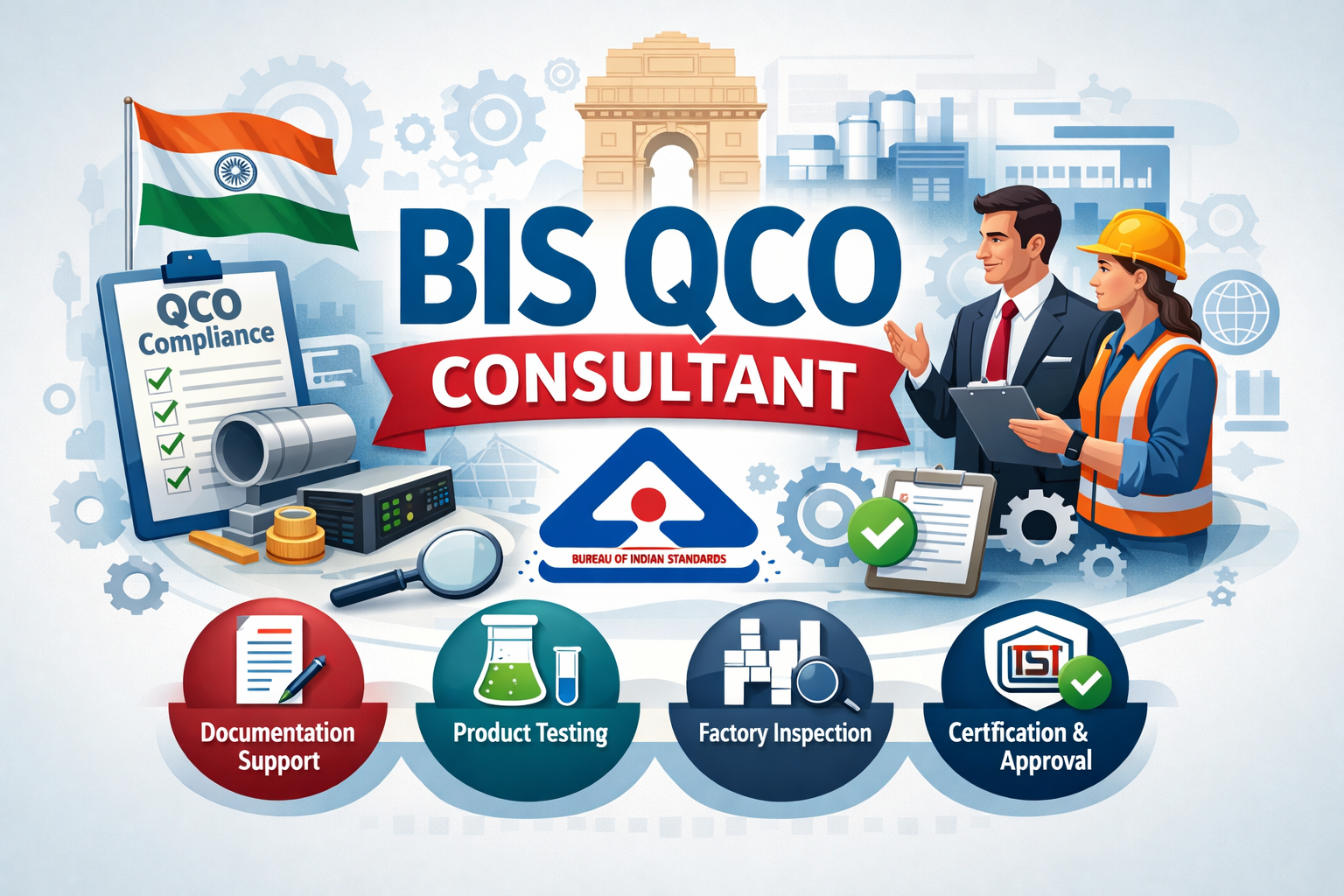
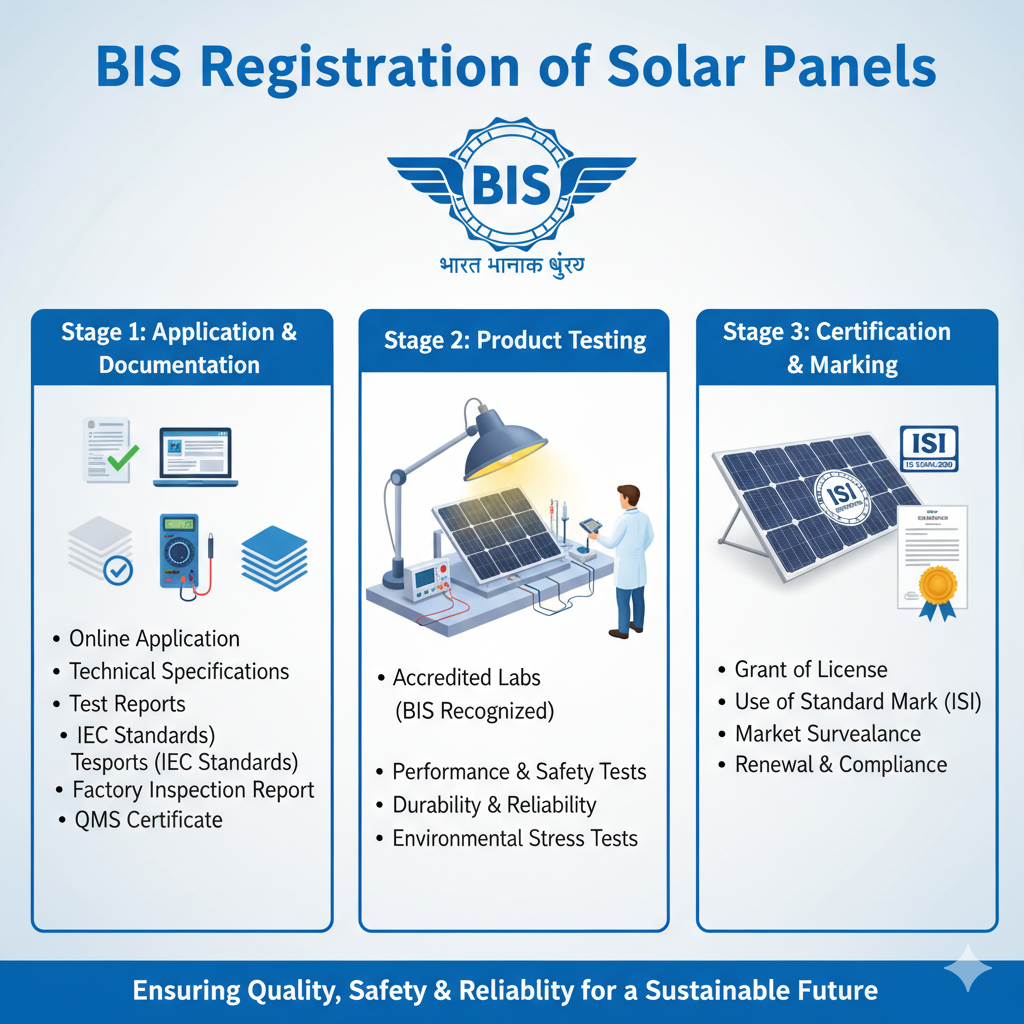
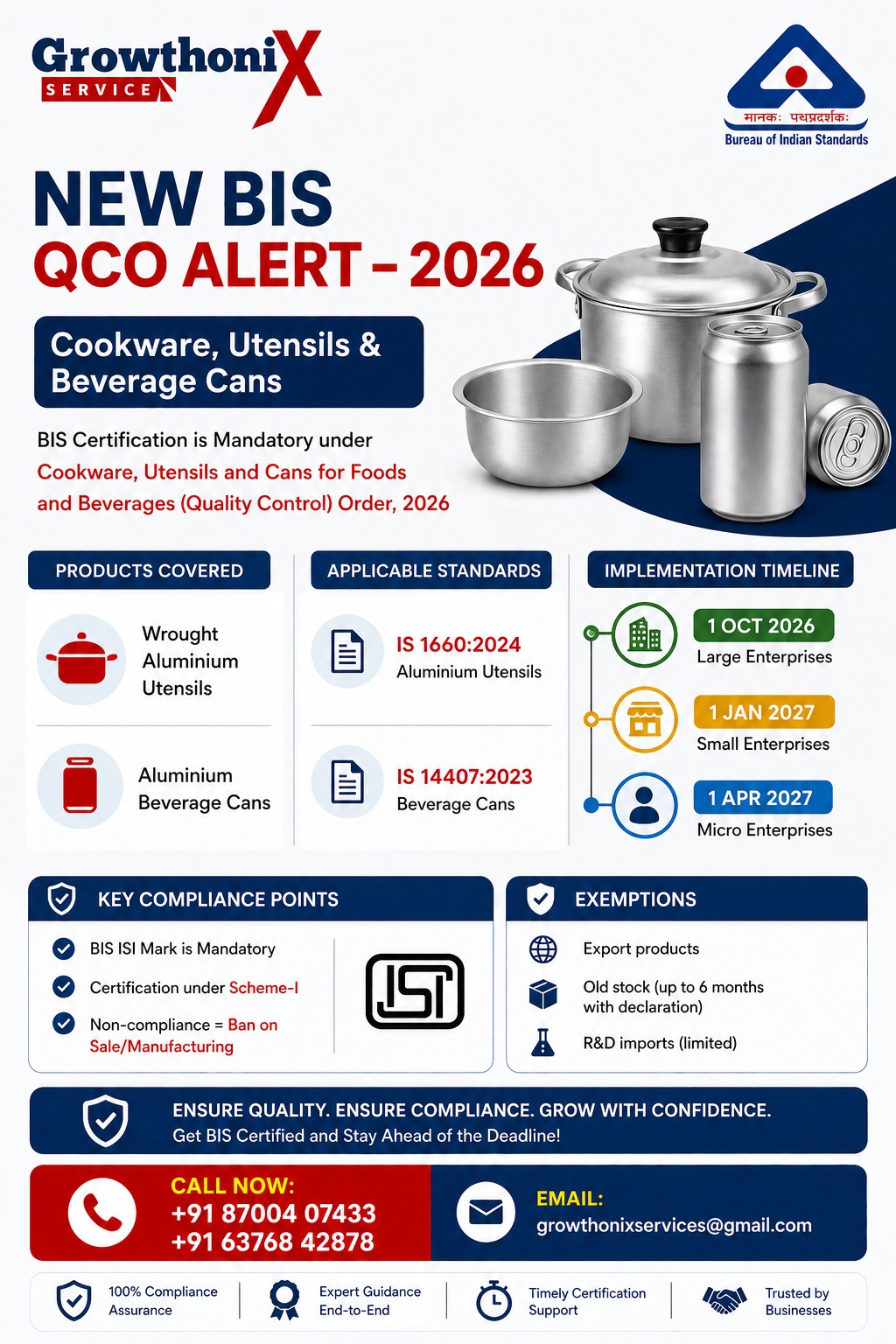
The Bureau of Indian Standards (BIS) certification plays a crucial role in ensuring the quality, safety, and reliability of products used in daily life. For items such as cookware, utensils, sinks, and food cans—products that come into direct contact with food—BIS certification becomes even more important. These products must meet strict quality and safety standards to protect consumer health and maintain hygiene. Cookware, utensils, sinks, and food cans are essential components of kitchens and food processing industries. Since they are directly involved in food preparation, storage, and handling, any compromise in their quality can lead to contamination, chemical leaching, or health hazards. BIS certification ensures that these products conform to Indian standards, providing assurance to consumers and businesses about their safety and durability. For manufacturers and importers, obtaining BIS certification is not just about compliance but also about building trust in the market. Certified products carry the ISI mark, which acts as a symbol of quality and reliability. It enhances brand reputation and increases consumer confidence, ultimately leading to better sales and market acceptance. Different types of products fall under specific Indian Standards (IS). For example: These standards define parameters such as raw material quality, manufacturing processes, dimensions, performance, and safety requirements. In India, some products are covered under mandatory certification schemes, while others may fall under voluntary certification. If cookware, utensils, sinks, or food cans are listed under the Quality Control Orders (QCOs) issued by the government, then BIS certification becomes mandatory. Manufacturers cannot sell or distribute such products in the Indian market without the ISI mark. For products not under mandatory certification, manufacturers can still opt for voluntary BIS certification to gain a competitive advantage and demonstrate their commitment to quality. The BIS certification process involves several steps: While BIS certification offers many benefits, the process can be complex and time-consuming. Manufacturers often face challenges such as documentation errors, delays in testing, and lack of awareness about applicable standards. Additionally, maintaining compliance after certification requires continuous monitoring and adherence to quality control practices. This is where professional consultancy services become valuable. Experts can guide manufacturers through the entire certification process, from documentation to final approval, ensuring faster and hassle-free compliance. BIS certification also contributes to broader goals such as food safety and environmental sustainability. By ensuring that cookware and food cans are made from safe and non-toxic materials, it reduces the risk of food contamination. Moreover, standards often promote the use of durable and recyclable materials, supporting sustainable manufacturing practices. BIS certification for cookware, utensils, sinks, and food cans is essential for ensuring product quality, safety, and compliance with Indian regulations. It not only protects consumers but also helps manufacturers build a strong market presence. As awareness about health and hygiene continues to grow, the demand for certified products is increasing. Businesses that invest in BIS certification are better positioned to succeed in a competitive market while contributing to safer and more reliable consumer products.Importance of BIS Certification
Applicable Standards
Mandatory vs Voluntary Certification
Certification Process
Benefits of BIS Certification
Challenges in Certification
Role in Food Safety and Sustainability
Conclusion